The quest for optimal health, vitality, and a feeling of inner purity is a timeless human endeavor. In our modern age, this quest often manifests in the pursuit of "detox" – a seductive promise of purging the body of insidious toxins, resetting our systems, and unlocking a vibrant new self. Amidst a sea of green smoothies, activated charcoals, and juice cleanses, one ancient succulent has steadily risen to prominence, its verdant elixir marketed as a panacea for everything from digestive woes to dull skin: the humble Aloe Vera.
But is the widespread adoration of aloe vera drinks a testament to its genuine therapeutic prowess, or merely another chapter in the ever-unfolding saga of wellness hype? For the knowledgeable audience, those who seek truth beyond the glossy advertisements and anecdotal whispers, the answer lies in a careful dissection of history, chemistry, marketing, and the often-elusive body of scientific evidence. This is a journey to separate fact from fiction, to understand the nuanced reality behind the "detox" claims, and to empower informed choices regarding this fascinating plant.
The Allure of Ancient Wisdom: A Historical Tapestry
Our story begins not in a modern health food store, but in the sun-drenched cradles of ancient civilizations. For millennia, Aloe barbadensis miller, commonly known as Aloe Vera, has been revered across cultures as a botanical marvel. Its thick, fleshy leaves, yielding a clear gel and a bitter yellow latex, found their way into the pharmacopoeias of the Egyptians, Greeks, Romans, Chinese, and Indian civilizations.
The Egyptians, renowned for their sophisticated understanding of natural remedies, called Aloe Vera the "plant of immortality," incorporating it into their embalming rituals and prescribing it for skin ailments. Cleopatra herself is said to have used it for her legendary beauty. In ancient Greece, Dioscorides, the physician to Emperor Nero, meticulously documented its purgative and wound-healing properties in his seminal work, De Materia Medica. Traditional Chinese Medicine and Indian Ayurveda also embraced aloe for its cooling, soothing, and digestive benefits.
For centuries, these uses were primarily topical – for burns, wounds, and skin irritations – or involved the internal use of the whole leaf, often as a potent laxative. The bitter yellow latex, rich in compounds called anthraquinones (most notably aloin), was the primary active ingredient for its purgative effect.
The journey from ancient poultice to modern beverage is a fascinating one, propelled by advances in processing technology and a burgeoning global wellness industry. As the 20th century progressed, scientific curiosity began to probe the plant’s constituents, leading to the isolation of its myriad compounds. The challenge, however, was to harness its benefits for internal consumption without the severe laxative effects of the whole leaf or the undesirable bitterness. This led to the development of "decolorized" or "purified" aloe vera, where the aloin-rich latex is largely removed, making the inner leaf gel palatable and seemingly safe for drinking.
This historical reverence, coupled with modern scientific interest, provides a powerful narrative hook. The plant carries the weight of ancestral wisdom, making its contemporary claims of "detoxification" and "cleansing" resonate deeply with those seeking natural, time-tested solutions in a chemically complex world. But does the ancient understanding align with the modern marketing?
Deconstructing "Detox": A Scientific Reality Check
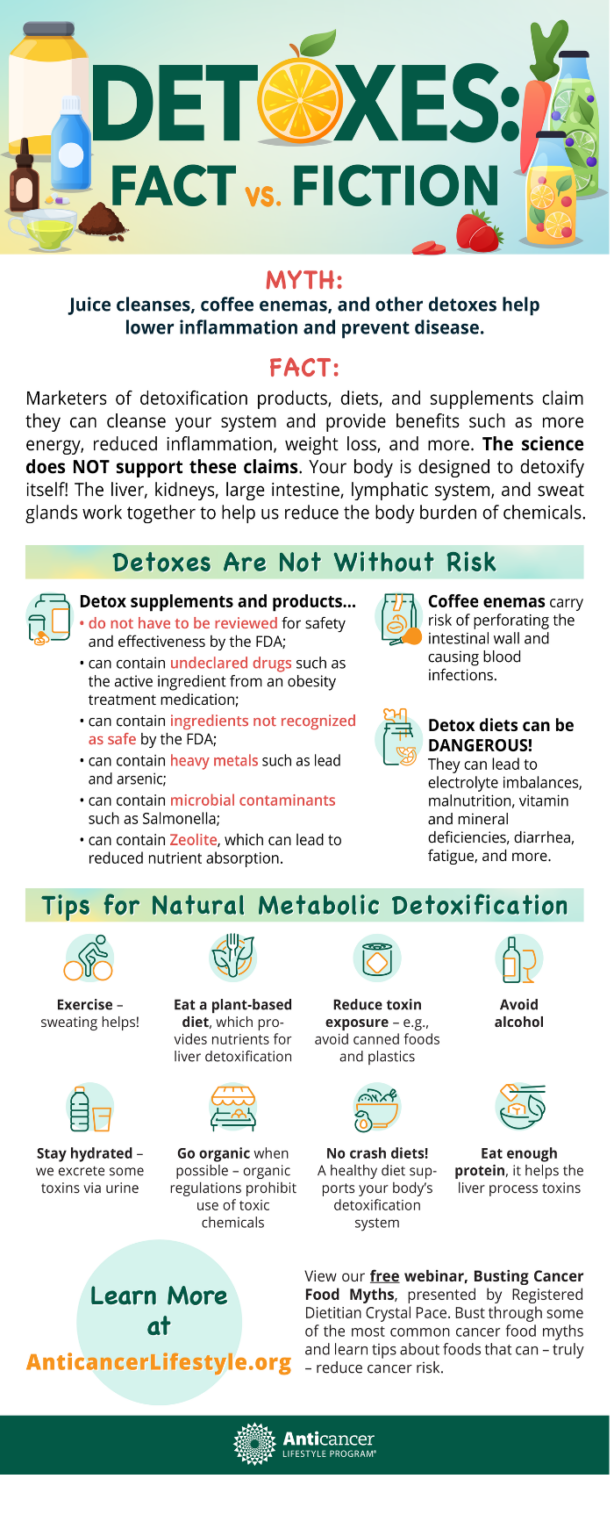
Before we delve into Aloe Vera’s specific claims, it’s crucial to address the elephant in the room: the very concept of "detoxification" as popularly understood. The wellness industry has masterfully crafted a narrative of a body constantly under siege by vague, insidious "toxins" – environmental pollutants, processed foods, stress byproducts – that accumulate in our organs, leading to sluggishness, disease, and premature aging. The solution, they proclaim, is a periodic "detox" regimen, often involving specific foods, supplements, or drinks, designed to flush these harmful substances out.
However, from a scientific and physiological perspective, this narrative is largely a myth. The human body is not a clogged pipe needing a periodic "cleanse." It is an exquisitely designed, highly efficient detoxification machine, equipped with sophisticated systems that work ceaselessly, 24/7, to neutralize and eliminate harmful substances.
The primary players in this intricate ballet are:
- The Liver: Our body’s master chemist. It performs two main phases of detoxification:
- Phase I: Enzymes (cytochrome P450) break down toxins into smaller, often more reactive, intermediates.
- Phase II: These intermediates are then conjugated (attached) to other molecules (like glutathione, sulfate, glucuronic acid) to make them water-soluble and easier to excrete.
- The Kidneys: Filter blood, removing waste products and excess water to produce urine.
- The Gastrointestinal Tract: The gut microbiome plays a crucial role in breaking down certain compounds, and the intestines facilitate the excretion of waste via feces.
- The Lungs: Exhale gaseous waste products like carbon dioxide.
- The Skin: Excretes some waste through sweat, though its role in significant "detoxification" is often overstated.
These systems are remarkably robust. They do not need special "detox" drinks or diets to function. In fact, extreme "detox" protocols can sometimes overwhelm these systems, leading to nutrient deficiencies, electrolyte imbalances, and even harm.
The "toxins" that wellness products promise to eliminate are often ill-defined. While genuine environmental toxins (heavy metals, pesticides, persistent organic pollutants) do exist and can impact health, they are not simply flushed out by a glass of aloe juice. Their removal often requires complex medical interventions or, more realistically, minimizing exposure. The vague "toxins" of the detox industry are largely a marketing construct, preying on our natural desire for purity and control over our health.
Therefore, any claim that aloe vera drinks specifically "detoxify" the body in a way superior to its inherent mechanisms must be viewed with extreme skepticism. The question then shifts: can aloe vera support these natural detoxification pathways, or offer other benefits that contribute to overall well-being, even if it doesn’t perform a magical "cleanse"?
The Inner World of Aloe Vera: A Nutritional Snapshot
To answer this, we must delve into the chemical complexity of the aloe vera plant itself. The clear, mucilaginous gel found in the inner leaf is a rich matrix of compounds, many of which have been studied for their biological activity.