The air was still, thick with the quiet hum of a late Tuesday evening. Sarah, a vibrant woman in her early thirties, was unwinding after a particularly demanding day. She’d just settled onto her sofa, a cup of herbal tea steaming beside her, when a faint, almost imperceptible itch began. It was a tickle, a whisper against the delicate skin of her vulva, easily dismissed as a consequence of her new, less-breathable yoga pants. But as the evening progressed, the whisper grew into a persistent murmur, then an undeniable demand for attention. This was no ordinary itch; this was the insidious first note in a symphony of discomfort, an overture to an uninvited guest: a vaginal yeast infection.
This isn’t just Sarah’s story; it’s a narrative that unfolds for millions of women worldwide, often in silence, sometimes with shame, but always with a shared experience of irritation and disruption. To truly understand what a vaginal yeast infection is, we must delve beyond the surface symptoms and explore the intricate ecosystem of the human body, the delicate balance that can be so easily tipped, and the microscopic antagonists that, under the right conditions, transform from harmless inhabitants into troublesome invaders.
Chapter 1: The Biology of Discomfort – Meet the Microbe
Sarah, like most women, knew the term "yeast infection" but had never truly contemplated its biological underpinnings. The truth is, the primary culprit, Candida albicans, is not an alien invader but a common resident. Imagine the vaginal environment as a bustling city, a complex metropolis of microorganisms. In this city, Lactobacilli bacteria are the diligent peacekeepers, producing lactic acid that maintains a slightly acidic pH (typically between 3.8 and 4.5). This acidity is crucial; it’s the city’s defensive wall, preventing the overgrowth of less friendly residents.
Candida albicans is a dimorphic fungus, meaning it can exist in two forms: a budding yeast (the benign form) and a hyphal form (the invasive, problematic form). In Sarah’s healthy vaginal city, Candida existed in its yeast form, a quiet, minority resident, kept in check by the dominant Lactobacilli and the acidic environment. It was part of the normal flora, neither good nor bad, simply there. This delicate equilibrium, however, is a dynamic one, constantly influenced by internal and external factors.
The story of a yeast infection truly begins when this balance is disrupted. When the Lactobacilli population dwindles or the pH rises, Candida seizes its opportunity. It switches from its benign yeast form to its more aggressive hyphal form, characterized by long, branching filaments. These hyphae are adept at adhering to the vaginal epithelial cells, penetrating the mucosal layers, and releasing enzymes that cause tissue damage and inflammation. This transformation is the critical turning point, the moment the uninvited guest decides to throw a raucous party, much to the detriment of its host.
While Candida albicans accounts for roughly 85-90% of all vaginal yeast infections, Sarah’s doctor would later explain that other species, such as Candida glabrata or Candida tropicalis, can also be responsible. These non-albicans species are often more resistant to standard antifungal treatments, posing a greater challenge in diagnosis and management, a nuance that highlights the complexity of what might seem like a straightforward condition.
Chapter 2: The Imbalance – Why the Scales Tip
As the persistent itch escalated, Sarah began to reflect. What had changed? Why now? The story of a yeast infection is often a detective story, piecing together the clues that led to the microbial insurrection. For Sarah, and for countless others, the triggers are varied and often interconnected.
Antibiotics: The Double-Edged Sword: Sarah had recently finished a course of broad-spectrum antibiotics for a sinus infection. This was a classic culprit. Antibiotics, while vital for combating bacterial infections, are indiscriminate killers. They don’t just target the harmful bacteria; they decimate the beneficial Lactobacilli in the vagina, effectively dismantling the city’s peacekeeping force. With the guardians gone, Candida, naturally resistant to most antibacterial drugs, finds itself with unchecked territory and an abundance of resources.
Hormonal Fluctuations: The Tides of Change: Hormones play a significant role in maintaining the vaginal ecosystem. Estrogen, for instance, promotes the production of glycogen in vaginal cells, which Lactobacilli feed on. Higher estrogen levels, such as those experienced during pregnancy, before menstruation, or with high-dose oral contraceptives, can inadvertently create a feast for Candida. While Lactobacilli also benefit, an oversupply of glycogen can sometimes provide Candida with ample fuel to proliferate, especially if other protective mechanisms are weakened. Sarah was on a new birth control pill, another potential piece of the puzzle.
Compromised Immunity: The Weakened Defenses: A robust immune system is crucial for keeping Candida in check. Conditions that weaken the immune system, even temporarily, can open the door to overgrowth. Stress, lack of sleep, poor nutrition, or more serious conditions like uncontrolled diabetes or HIV/AIDS, all diminish the body’s natural ability to suppress fungal proliferation. Sarah admitted her recent deadlines had left her perpetually stressed and sleep-deprived.
Dietary Choices: Fueling the Fire?: While the direct link between sugar intake and vaginal yeast infections is debated among scientists, it’s an area many women explore. Candida thrives on sugar. Some theories suggest that a diet high in refined carbohydrates and sugars might, directly or indirectly, contribute to a systemic environment conducive to Candida overgrowth, though more research is needed to definitively establish this connection. However, managing blood sugar levels is undeniably critical for individuals with diabetes, as high glucose concentrations in vaginal secretions can directly feed Candida.
Local Environment: The Breathless Confines: Tight-fitting, synthetic clothing (like Sarah’s yoga pants), non-breathable underwear, and prolonged exposure to moisture (from sweat or wet swimsuits) create a warm, moist environment – a perfect breeding ground for Candida. These conditions also reduce airflow, trapping heat and moisture, further disturbing the delicate balance.
Douching and Irritants: The Unintended Harm: Paradoxically, attempts to "cleanse" the vagina can do more harm than good. Douching, scented feminine hygiene products, and harsh soaps can strip away beneficial Lactobacilli, alter the natural pH, and irritate the sensitive vaginal lining, making it more susceptible to infection. The vagina is a self-cleaning organ; intervention often disrupts its natural mechanisms.
Sarah recognized several of these factors in her recent life. The antibiotics, the new birth control, the stress, even the tight clothing – it was a perfect storm brewing in her internal ecosystem.
Chapter 3: Recognizing the Signs – The Body’s Whisper Turns to a Shout
By the next morning, the whisper had indeed become a shout. Sarah woke to an undeniable sensation of intense itching, a relentless demand for relief. But the symptoms of a yeast infection extend beyond just pruritus. Understanding the full spectrum of signs is crucial for accurate self-assessment and informed medical consultation.
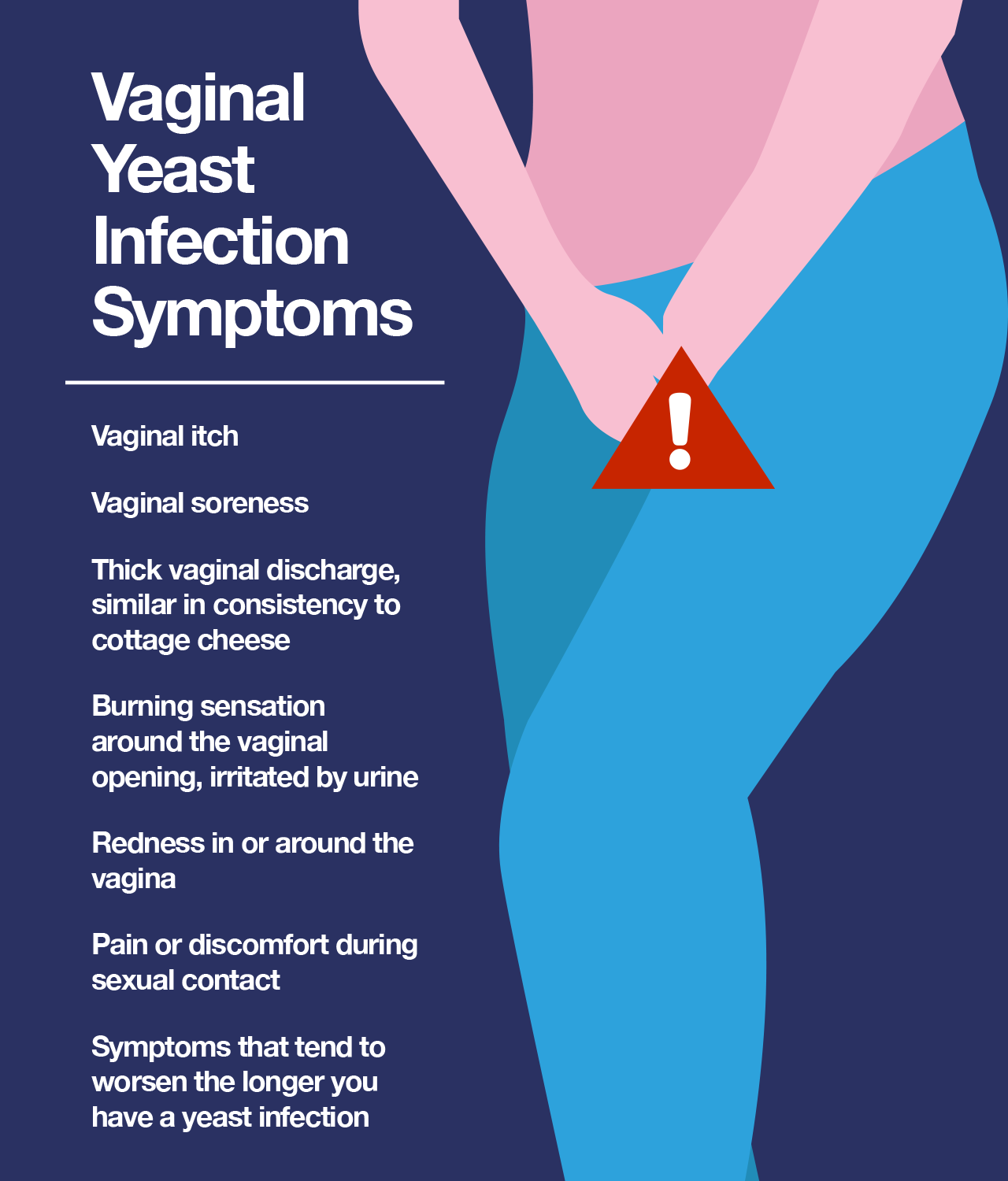
The Itch (Pruritus): This is the hallmark symptom, often described as intense, persistent, and maddening. It can affect the vulva (the external genital area) and the vagina itself. Sarah found herself constantly shifting, trying to discreetly relieve the irritation.
Burning Sensation: Often accompanying the itch, a burning sensation can be particularly noticeable during urination or sexual intercourse. The inflamed tissues become hypersensitive, leading to stinging and discomfort. Sarah winced each time she used the restroom.
Abnormal Discharge: This is another key diagnostic indicator. Yeast infection discharge is typically thick, white, and cottage cheese-like in consistency. It may be odorless or have a faint, yeasty smell, distinct from the strong, fishy odor often associated with bacterial vaginosis. Unlike the clear, slippery discharge of ovulation, or the thin, gray discharge of BV, yeast discharge is unmistakable in its texture.
Redness and Swelling (Erythema and Edema): The vulva and vaginal opening may appear visibly red and swollen due to inflammation. This can lead to increased sensitivity and discomfort upon touch. Sarah noticed her labia were distinctly inflamed.
Pain During Intercourse (Dyspareunia): The inflammation and irritation can make sexual activity painful and undesirable. Friction exacerbates the existing tenderness, leading to a stinging or burning sensation.
Painful Urination (Dysuria): While less common than with a urinary tract infection (UTI), the inflamed vulvar tissues can become irritated by urine, leading to a superficial burning sensation during urination. It’s important to distinguish this from the internal burning of a UTI.
Sarah’s symptoms were classic: the unbearable itch, the burning, and later that day, the tell-tale cottage cheese-like discharge. She knew, with a sinking feeling, that her uninvited guest had settled in for a prolonged stay.
Chapter 4: Diagnosis – Seeking Clarity
Armed with her self-diagnosis, Sarah considered her options. Many women, familiar with the symptoms, opt for over-the-counter (OTC) treatments. However, a knowledgeable audience understands the importance of proper diagnosis, especially for first-time infections or recurrent episodes. Differentiating a yeast infection from other conditions with similar symptoms—such as bacterial vaginosis (BV), trichomoniasis, allergic reactions, or even some STIs—is critical for effective treatment and preventing complications.
The Doctor’s Visit: Sarah decided to see her gynecologist. This was a wise choice, particularly given her recent antibiotic use and the new birth control. A healthcare provider can offer a definitive diagnosis and rule out other, potentially more serious, conditions.
Medical History: The visit began with a thorough medical history. Sarah recounted her symptoms, their onset, her recent antibiotic use, and her new birth control. This information helps the doctor understand potential risk factors and differentiate between conditions.