The handshake. A simple, universal gesture of greeting, trust, and connection. For most, it’s an unconscious act, a brief moment of tactile communication. But for those living with palmar hyperhidrosis, the handshake is a minefield, a moment fraught with anxiety, embarrassment, and the ever-present dread of the silent drip. It’s an invisible barrier, a constant, unwelcome companion that permeates every aspect of life, from the mundane to the intimate. This isn’t just about sweat; it’s about the erosion of confidence, the avoidance of social interaction, and the quiet, persistent struggle against a body that seems to betray itself.
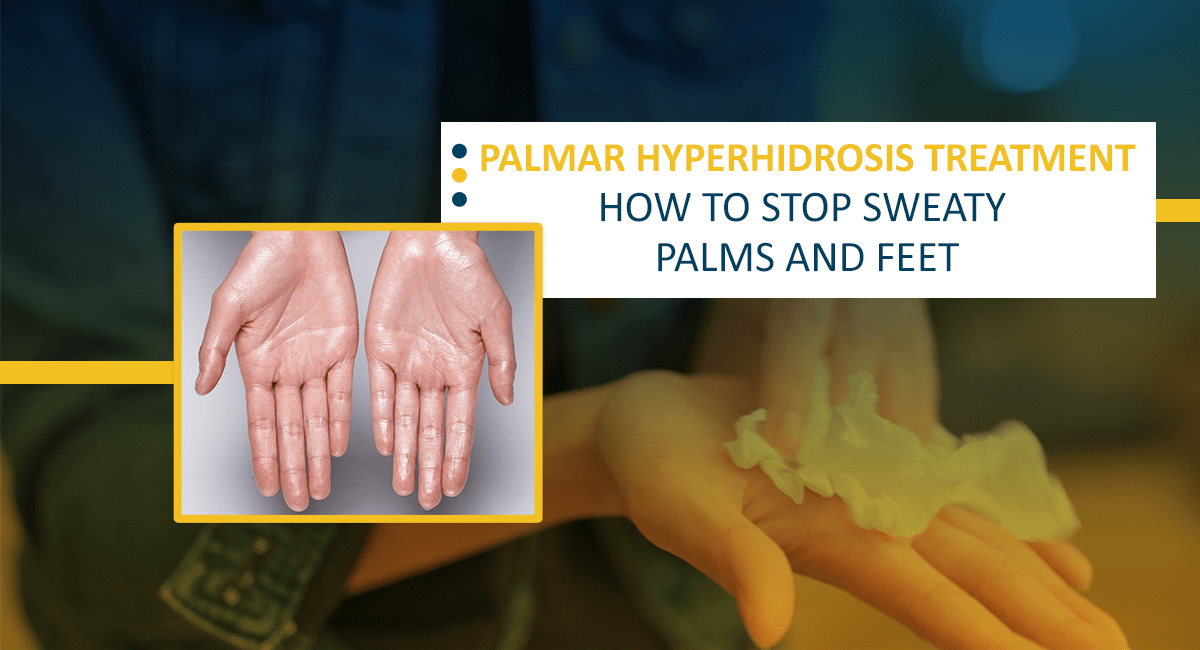
Palmar hyperhidrosis, or excessive sweating of the hands, is more than a minor inconvenience. It’s a chronic medical condition affecting an estimated 3% of the global population, often starting in childhood or adolescence. Unlike the adaptive sweating that cools our bodies, hyperhidrosis is a primary, focal condition, meaning it’s not a symptom of another illness and it’s localized to specific areas, primarily the hands, feet, and armpits. It’s caused by an overactivity of the sympathetic nervous system, which inappropriately triggers the eccrine sweat glands, even in the absence of heat, physical exertion, or stress. The result is hands that are perpetually damp, often cold, and sometimes even dripping, regardless of the ambient temperature or emotional state.
To understand the journey of treating palmar hyperhidrosis, one must first grasp the profound impact it has on an individual’s life. Imagine being a musician whose instrument slips from their grasp, an artist whose canvas smudges with every touch, a professional whose documents become wrinkled and damp. Envision a student struggling to write without soaking their paper, a lover hesitant to hold hands, or a child shying away from games involving touch. The emotional toll is immense: anxiety, social phobia, depression, and a pervasive sense of shame are common fellow travelers on this journey. It’s a condition that, while not life-threatening, can be life-altering, stealing joy and opportunity in insidious ways.
The good news, however, is that the landscape of treatment for palmar hyperhidrosis has evolved significantly. What once felt like an intractable curse now has a spectrum of solutions, ranging from topical applications to advanced surgical interventions. The path to relief is rarely linear, often involving a process of trial and error, a dance between hope and frustration, and a deep partnership between patient and physician. For the knowledgeable audience, let us embark on a comprehensive exploration of these treatments, delving into their mechanisms, efficacy, side effects, and the nuanced considerations that guide their selection.
The First Line of Defense: Topical Solutions
For many, the initial foray into treatment begins with the simplest and least invasive options: topical agents. These are often the first recommendations due to their accessibility and generally favorable safety profile.
Aluminum Chloride Hexahydrate: The Tried and True Antiperspirant
The cornerstone of topical treatment for hyperhidrosis is aluminum chloride hexahydrate. Available in various concentrations (from 10% to 30%), often in alcohol-based solutions, this powerful antiperspirant works by creating a physical block within the sweat ducts.
Mechanism of Action: When applied to the skin, aluminum chloride reacts with proteins and water in the sweat ducts, forming a superficial plug of keratin and aluminum hydroxide. This plug physically obstructs the opening of the sweat gland, preventing sweat from reaching the skin’s surface. The effect is temporary, as skin cells naturally slough off, but with regular application, continuous blockage can be maintained.
Application and Efficacy: The typical protocol involves applying the solution to thoroughly dry hands at night, as sweat glands are less active during sleep, allowing for better absorption and plug formation. The hands are then often covered with thin cotton gloves to prevent transfer and enhance efficacy. In the morning, the hands are washed. Initially, daily application may be necessary, gradually reducing to 2-3 times per week as control is achieved.
Pros:
- Non-invasive: No needles, no systemic effects.
- Accessibility: Many formulations are available over-the-counter or with a prescription.
- Cost-effective: Generally one of the more affordable options.
- First-line efficacy: Can be very effective for mild to moderate cases, and sometimes even for severe cases.
Cons:
- Skin Irritation: The most common side effect is skin irritation, redness, itching, and a stinging sensation. This is often due to the acidic nature of aluminum chloride, especially in higher concentrations, and the alcohol base. Using lower concentrations, applying to completely dry skin, or using a hydrocortisone cream can help manage this.
- Compliance: The nightly application ritual can be inconvenient and challenging for some.
- Limited efficacy for severe cases: While effective for many, severe palmar hyperhidrosis may not respond adequately to topical antiperspirants alone.
- Messiness: Some formulations can feel sticky or leave a residue.
Glycopyrronium Tosylate Wipes: A Newer Topical Anticholinergic
More recently, a novel topical anticholinergic formulation has entered the market, offering a different approach to localized sweat reduction. Glycopyrronium tosylate wipes (e.g., Qbrexza, though primarily indicated for axillary hyperhidrosis, off-label use for palmar is explored) represent a targeted delivery of an anticholinergic agent.
Mechanism of Action: Glycopyrronium is an anticholinergic drug that works by blocking the action of acetylcholine, the neurotransmitter responsible for stimulating sweat glands, at the muscarinic receptors on the eccrine sweat glands. When applied topically, it locally inhibits sweat production.
Application and Efficacy: The wipes are designed for once-daily application. While primarily studied for underarms, some patients with palmar hyperhidrosis might find relief, especially if they experience less severe sweating or wish to avoid systemic anticholinergics.
Pros: