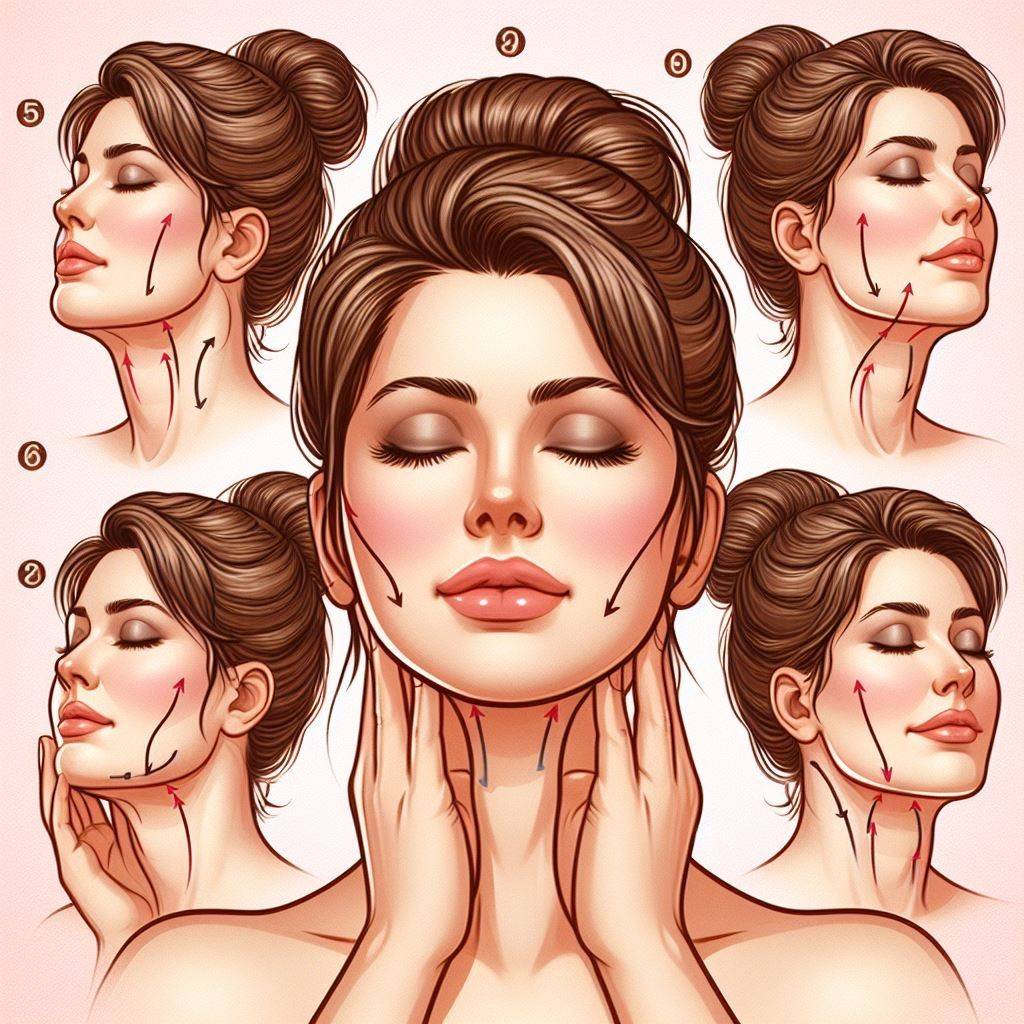
The mirror, that silent, unforgiving judge, often holds us captive. We scrutinize, we analyze, and we dream. For many, the desire to sculpt and refine their facial features is a deeply personal and pervasive one. In an era saturated with filters, perfectly angled selfies, and the seemingly effortless transformations of influencers, the siren song of a more defined jawline, hollowed cheeks, or a slimmer visage grows ever louder. We yearn to possess the chiselled contours that grace magazine covers, to banish the soft roundness that might betray a few too many indulgent evenings.
This intense focus inevitably leads to a pivotal question, whispered in front of the bathroom mirror or typed furtively into search engines: "Can I spot reduce weight in my face?" The belief that one can target fat loss to specific areas of the body, particularly the face, is a pervasive myth, stubbornly clinging to our collective consciousness despite consistent scientific debunking. Yet, the longing for control over our appearance, especially in such a prominent and identity-defining area as the face, fuels a continuous search for a quick, localized fix.
This article delves deep into this fascinating intersection of desire, physiology, and modern aesthetics. We will unravel the scientific realities of fat loss, dismantle the enduring myth of spot reduction, and then pivot to explore the legitimate, often complex, and sometimes surprising ways in which we can influence and sculpt our facial appearance. Prepare to look beyond the surface, to understand the intricate symphony of factors that define your unique facial landscape, and to make informed choices about your journey toward self-acceptance and aesthetic refinement.
The Unyielding Truth: The Science of Fat Loss and the Myth of Spot Reduction
To understand why spot reduction in the face (or anywhere else on the body) is a physiological impossibility, we must first grasp the fundamental science of adipose tissue and metabolism.
Adipose Tissue 101: Our Body’s Energy Reserves
Fat, or adipose tissue, is far more than just a visible layer beneath our skin. It’s a vital, dynamic organ that plays crucial roles in energy storage, insulation, and hormone production. Our bodies store fat in specialized cells called adipocytes, which are distributed throughout the body in various depots – subcutaneous (under the skin), visceral (around organs), and intramuscular.
When we consume more calories than we expend, the excess energy is converted into triglycerides and stored within these adipocytes, causing them to expand. Conversely, when we enter a caloric deficit (expending more energy than we consume), our body needs to tap into these stored energy reserves.
The Physiological Reality: A System-Wide Process
Here’s where the myth of spot reduction fundamentally breaks down. When your body needs energy, it doesn’t selectively target fat from a specific area like your cheeks or your belly. Instead, it initiates a complex, hormonally mediated process called lipolysis. During lipolysis, enzymes break down triglycerides within adipocytes into free fatty acids and glycerol, which are then released into the bloodstream to be transported to various tissues for energy.
This release of fatty acids is a systemic process, influenced by hormones like adrenaline, noradrenaline, and growth hormone, and it occurs from all fat stores across the body, albeit at varying rates depending on individual genetics, fat distribution patterns, and the density of specific hormone receptors in different fat depots.
Think of it like this: if your house runs out of electricity, you don’t just decide to draw power from the light bulb in your bathroom. You draw power from the main grid, which then supplies all the outlets in your house. Similarly, your body draws energy from its overall "grid" of fat stores, not just isolated "outlets."
Why the Face Isn’t Special: Facial Fat Pads
The face, despite its delicate appearance, is no exception to this rule. It contains several distinct fat pads, such as the buccal fat pads (which give fullness to the cheeks), orbital fat (around the eyes), and subcutaneous fat that contributes to overall facial volume. While these fat pads contribute significantly to our facial contour and youthfulness, they are still fundamentally adipose tissue.
Engaging in facial exercises, vigorously massaging your cheeks, or making exaggerated expressions might strengthen underlying facial muscles (more on this later), but these actions do not trigger localized fat burning in those specific areas. The energy expenditure of such activities is negligible in terms of calorie burn, and even if it were significant, the body would still mobilize fat from its overall reserves, not just from the muscles being worked.
The "Spot Reduction" Fallacy Debunked
The persistent belief in spot reduction stems from a misunderstanding of exercise physiology and the body’s energy systems. When you do crunches, you feel a burn in your abs, leading you to believe you’re "melting" belly fat. In reality, you’re primarily engaging and strengthening your abdominal muscles. The fat covering those muscles remains untouched by the localized muscular effort. To reduce the fat over those muscles, you need to reduce overall body fat through a sustained calorie deficit. The same principle applies unequivocally to the face.
Why the Myth Persists: Anecdotes, Hopes, and Misinterpretations
If the science is so clear, why does the myth of spot reduction, especially for the face, continue to thrive?
-
Wishful Thinking and the Desire for Control: The face is our primary identifier, the first thing people see. The idea of being able to precisely sculpt it without undergoing systemic changes is incredibly appealing. We crave control, and the thought of a quick, targeted fix for a perceived flaw is a powerful motivator.
-
The Power of Perception and Anecdotal Evidence: People often engage in facial exercises or massages alongside broader lifestyle changes (diet, overall exercise). When they see a change in their facial appearance, they mistakenly attribute it to the localized effort, rather than the overall fat loss or other contributing factors. This is a classic example of confirmation bias.
-
Marketing Hype: The wellness and beauty industries are vast, and unfortunately, some segments capitalize on these desires. Products, tools, and programs promising "facial slimming" or "targeted fat reduction" through specific exercises or devices often prey on this misinformation, offering expensive solutions with little scientific backing for their fat-reducing claims.