In the intricate tapestry of human biology, countless secrets are woven into the very fabric of our existence. From the complex dance of DNA that dictates our traits to the microscopic armies that defend our bodies, we are masterpieces of natural design. Yet, among these profound mysteries, one seemingly simple piece of information often eludes us: our blood type. It’s a fact as fundamental as our name, often etched into medical records we rarely scrutinize, or perhaps never discovered at all. But this isn’t just a trivial detail; it’s a critical component of our personal health narrative, a silent script that dictates how our bodies interact with the world and how we can best be cared for in moments of crisis.
Imagine a world where this basic knowledge is universally understood and accessible. A world where, in an emergency, precious seconds aren’t lost trying to determine this vital compatibility factor. Or where, in planning a family, potential complications are anticipated and mitigated long before they become threats. This isn’t a fantasy; it’s the potential reality that unfolds when we take the proactive step of understanding the silent language flowing through our veins.
This article delves deep into the significance of knowing your blood type, transforming it from a mere biological label into an empowering piece of personal knowledge. We’ll explore the sophisticated science behind the ABO and Rh systems, unraveling the molecular markers that define who you are, biologically speaking. More importantly, we’ll equip you with five practical, accessible methods to uncover this essential detail, each offering a unique pathway to understanding. And finally, we will journey through the profound "why"—the myriad reasons, from life-saving transfusions to genetic insights and even curious health correlations, that make this knowledge indispensable. Prepare to embark on a journey beneath the skin, to uncover the unseen script that shapes your health and connects you to the broader human story.
The Silent Language: Unpacking the Science of Blood Types
Before we delve into the how and why, it’s crucial to understand what a blood type actually is. Your blood is a dynamic, life-sustaining fluid composed of several key components: red blood cells (RBCs), white blood cells (WBCs), platelets, and plasma. While each plays a vital role, it’s the red blood cells that hold the key to your blood type.
The surface of every red blood cell is adorned with an array of proteins and sugars, acting like tiny flags or identification markers. These markers are known as antigens. Your blood type is determined by the specific combination of these antigens present (or absent) on your red blood cells. The two most critical and widely recognized blood typing systems are the ABO system and the Rh system.
The ABO System: A, B, AB, and O
This system classifies blood into four main types based on the presence or absence of two primary antigens: A and B.
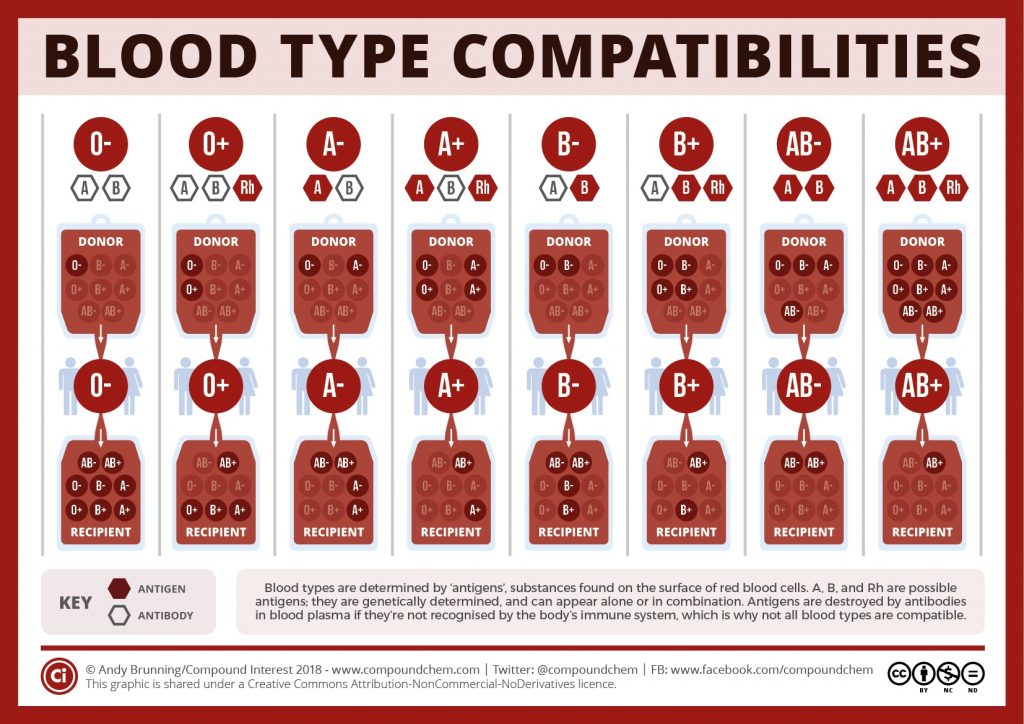
- Type A: You have A antigens on your red blood cells. Crucially, your plasma contains anti-B antibodies, which would attack B antigens if they were introduced.
- Type B: You have B antigens on your red blood cells. Your plasma contains anti-A antibodies.
- Type AB: You have both A and B antigens on your red blood cells. Your plasma contains neither anti-A nor anti-B antibodies. This makes you a "universal recipient" in terms of ABO compatibility, as your body won’t attack A or B antigens.
- Type O: You have neither A nor B antigens on your red blood cells. Your plasma contains both anti-A and anti-B antibodies. This makes you a "universal donor" in terms of ABO compatibility, as your red blood cells won’t trigger an immune response in recipients with A, B, or AB blood.
The presence of these antibodies in your plasma is a critical defense mechanism. If you receive blood containing antigens your body doesn’t recognize, these antibodies will launch an attack, causing the transfused blood cells to clump together (agglutinate) and potentially leading to a severe, life-threatening transfusion reaction.
The Rh System: Positive or Negative
Beyond the ABO system, the Rh (Rhesus) factor is the second most important blood group system. It’s determined by the presence or absence of a specific antigen called the D antigen.
- Rh-positive (Rh+): You have the D antigen on your red blood cells.
- Rh-negative (Rh-): You do not have the D antigen on your red blood cells.
Unlike the ABO system, Rh-negative individuals don’t naturally produce anti-Rh antibodies. However, if an Rh-negative person is exposed to Rh-positive blood (e.g., through a transfusion or during pregnancy), their immune system will develop anti-Rh antibodies. This sensitization is particularly critical in pregnancy, which we will explore further.
Combining the ABO and Rh systems gives us the eight primary blood types: A+, A-, B+, B-, AB+, AB-, O+, O-. Each represents a unique immunological profile, a silent identification tag crucial for medical interventions and a fascinating window into our genetic heritage. While other blood group systems exist (like Kell, Duffy, and MNS), they are generally less immunogenic and only become clinically significant in specific, complex transfusion scenarios. For the vast majority of medical purposes, the ABO and Rh systems are paramount.
The Quest for Knowledge: 5 Ways To Find Out Your Blood Type
Uncovering your blood type might seem like a daunting task, but in reality, there are several straightforward and accessible methods. Each offers a different level of convenience, cost, and immediate gratification, catering to various needs and circumstances. Let’s explore these pathways to personal biological insight.
1. The Altruistic Path: Blood Donation
One of the most noble and beneficial ways to discover your blood type is by becoming a blood donor. This method not only provides you with invaluable personal health information but also contributes directly to saving lives, embodying a spirit of altruism that extends far beyond self-knowledge.
The Story: Imagine walking into a blood donation center, perhaps for the first time, driven by a desire to help others. You might feel a mix of anticipation and a touch of apprehension. The process itself is a testament to meticulous safety and care. After a warm greeting, you’ll undergo a brief health screening, answering questions about your medical history, recent travel, and lifestyle choices. This isn’t just paperwork; it’s a vital step to ensure your safety as a donor and the safety of the recipient. A quick prick to check your hemoglobin levels confirms you’re healthy enough to donate.
Once cleared, you settle into a comfortable chair. The phlebotomist, a skilled professional, sterilizes your arm and inserts a needle, a moment of fleeting discomfort quickly overshadowed by the quiet hum of the donation process. Over the next 10-15 minutes, about a pint of your blood is collected. It’s a small sacrifice, yet it holds the potential to be a lifeline for someone in desperate need.