The Silent Epidemic and the Dawn of a Revolution
For decades, the battle against obesity has been a Sisyphean struggle for millions worldwide. Characterized by excessive body fat accumulation, obesity is not merely a cosmetic concern but a complex chronic disease that dramatically increases the risk of type 2 diabetes, cardiovascular disease, certain cancers, sleep apnea, and numerous other debilitating conditions. Traditional approaches—diet, exercise, and behavioral therapy—while fundamental, often fall short for many, leading to cycles of weight loss and regain that chip away at physical and mental well-being. The statistics are stark: over 40% of adults in the United States are classified as obese, and the global prevalence continues its relentless ascent.
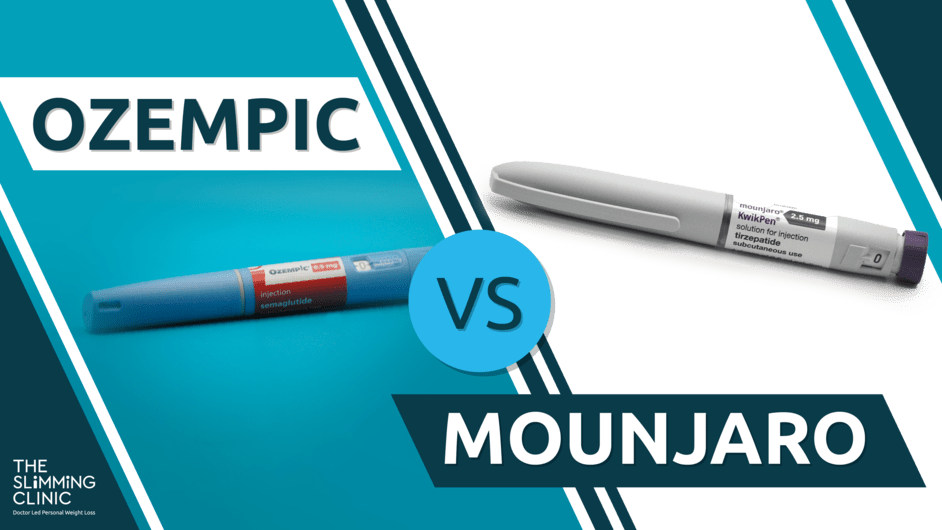
In this landscape of profound unmet medical need, a new class of medications has emerged, not as a quick fix, but as a groundbreaking adjunct to lifestyle interventions, fundamentally altering the trajectory of weight management and metabolic health. These are the GLP-1 receptor agonists, and more recently, dual GLP-1/GIP receptor agonists. Among them, two names have risen to prominence, sparking both hope and intense discussion: Ozempic (semaglutide) and Mounjaro (tirzepatide).
Initially approved for the management of type 2 diabetes, the remarkable weight loss observed as a side effect quickly propelled these drugs into the spotlight for obesity treatment. As their efficacy became clearer through rigorous clinical trials, the inevitable question arose: which one stands superior in the realm of weight reduction? While a truly direct, placebo-controlled, double-blind, head-to-head study comparing both drugs specifically for weight loss in non-diabetic individuals at their highest approved doses is still a future prospect, the wealth of existing data, particularly from cross-trial comparisons and the latest extensions of pivotal studies, provides compelling evidence of a current weight loss winner. This article will delve deep into the science, the studies, and the implications of this exciting therapeutic rivalry, telling the story of how these medications are rewriting the narrative of metabolic health.
The Contenders: A Deep Dive into Semaglutide and Tirzepatide
To understand the "winner," we must first understand the players. Both Ozempic and Mounjaro represent significant advancements, but they achieve their effects through distinct, albeit related, mechanisms.
Ozempic (Semaglutide): The Pioneering GLP-1 Powerhouse
Ozempic, with its active pharmaceutical ingredient semaglutide, is a glucagon-like peptide-1 (GLP-1) receptor agonist. Developed by Novo Nordisk, it first gained FDA approval in 2017 for the treatment of type 2 diabetes. Its weight loss potential, however, led to the subsequent approval of a higher-dose formulation, Wegovy (also semaglutide), specifically for chronic weight management in 2021.
Mechanism of Action:
Semaglutide mimics the action of the naturally occurring human hormone GLP-1. GLP-1 is an "incretin hormone" released by the gut in response to food intake. Its physiological roles are multifaceted:
- Glucose-Dependent Insulin Secretion: It stimulates the pancreas to release insulin only when blood glucose levels are high, reducing the risk of hypoglycemia.
- Suppression of Glucagon Secretion: It inhibits the release of glucagon, a hormone that raises blood sugar, further contributing to glucose control.
- Delayed Gastric Emptying: It slows down the rate at which food leaves the stomach, leading to a prolonged feeling of fullness and reduced post-meal glucose spikes.
- Central Appetite Suppression: Crucially for weight loss, GLP-1 acts on receptors in the brain, particularly in the hypothalamus, to reduce appetite and increase satiety, thereby leading to decreased food intake.
Clinical Efficacy (Weight Loss): The STEP Program
The efficacy of semaglutide for weight management was robustly demonstrated in the Semaglutide Treatment Effect in People with Obesity (STEP) clinical trial program. The STEP 1 trial, a landmark study published in The New England Journal of Medicine, showed that once-weekly subcutaneous semaglutide 2.4 mg, combined with lifestyle intervention, led to an average weight loss of approximately 15-17% of initial body weight over 68 weeks. This was a significant leap beyond previous anti-obesity medications, which typically yielded 5-10% weight loss. Further trials in the STEP program (STEP 2 for type 2 diabetes and obesity, STEP 3 for intensive behavioral therapy, STEP 4 for treatment withdrawal) consistently underscored semaglutide’s powerful impact on body weight.
Mounjaro (Tirzepatide): The Dual-Action Game Changer
Mounjaro, containing the active ingredient tirzepatide, is a product of Eli Lilly and was approved by the FDA in 2022 for the treatment of type 2 diabetes. What sets tirzepatide apart is its unique mechanism: it is a dual GIP (glucose-dependent insulinotropic polypeptide) and GLP-1 receptor agonist.
Mechanism of Action:
Tirzepatide acts on two incretin hormone pathways, rather than just one:
- GLP-1 Receptor Agonism: It mimics GLP-1, providing all the benefits described for semaglutide: glucose-dependent insulin secretion, glucagon suppression, delayed gastric emptying, and central appetite reduction.
- GIP Receptor Agonism: It also mimics GIP, another incretin hormone released by the gut. While GIP’s role in weight loss was historically less clear, tirzepatide’s dual action has revealed its significant contribution. GIP is known to enhance glucose-dependent insulin secretion and may also play a role in fat metabolism and energy expenditure. The synergistic effect of activating both GLP-1 and GIP receptors appears to amplify the benefits, leading to even greater improvements in glycemic control and, crucially, more pronounced weight loss. This dual agonism is thought to provide a more comprehensive and potent physiological response compared to GLP-1 agonism alone.
Clinical Efficacy (Weight Loss): The SURMOUNT Program
Tirzepatide’s weight loss prowess was unequivocally demonstrated in the SURMOUNT clinical trial program. The SURMOUNT-1 trial, published in The New England Journal of Medicine, evaluated tirzepatide in individuals with obesity or overweight without type 2 diabetes. The results were astounding: participants receiving the highest dose of tirzepatide (15 mg once weekly) achieved an average weight loss of 20-22.5% of their initial body weight over 72 weeks. Lower doses also showed substantial weight loss, ranging from 15% to 19%. This represented an unprecedented level of pharmacologically induced weight loss, nearing the efficacy of some bariatric surgeries. Subsequent SURMOUNT trials (SURMOUNT-2 for type 2 diabetes and obesity, SURMOUNT-3 and SURMOUNT-4 focusing on sustained weight loss and longer-term outcomes) have continued to reinforce these impressive findings.