The world of human physiology is a tapestry woven with intricate connections, where seemingly disparate acts can influence one another in profound and sometimes perplexing ways. Among the more intimate and intriguing of these connections is the whispered, often debated, relationship between sexual activity and headaches. For millennia, humanity has sought relief from pain, and in the realm of modern medicine, the quest for understanding the mechanisms behind both pleasure and suffering continues. Does the act of sex, with its potent cocktail of neurochemicals and physiological shifts, truly offer an escape from the throbbing tyranny of a headache, or can it, paradoxically, be the very trigger that ignites it?
For the knowledgeable observer, this isn’t merely a quaint folk remedy but a fascinating neurobiological puzzle. It’s a story of endorphins and oxytocin, of vascular constriction and dilation, of psychological distraction and primal urges. This article embarks on a journey to dissect this multifaceted relationship, moving beyond anecdote to explore the historical whispers, the scientific hypotheses, and the nuanced realities that govern whether sex truly helps, hurts, or simply holds no sway over the persistent ache in one’s head.
The Echoes of Ancient Wisdom and Modern Anecdotes: A Historical Narrative
The human quest for pain relief is as old as pain itself. While explicit historical records detailing "sex for headache" remedies are scarce, the underlying principles may have roots in ancient holistic practices. Cultures throughout history have understood the therapeutic power of pleasure, release, and altered states of consciousness. From the use of cannabis in ancient China to the ritualistic dances of indigenous tribes, the idea that intensely pleasurable or physically demanding activities could shift the body’s internal state and alleviate discomfort is not new. Sexual activity, as one of humanity’s most potent sources of pleasure and physiological alteration, would logically fall into this broader category of self-medication or therapeutic exploration.
In more contemporary times, the question often surfaces in hushed conversations among friends, in the anonymous confines of online forums, and occasionally, with a sheepish smile, in the doctor’s office. Anecdotal evidence forms a vibrant, if scientifically unverified, tapestry. Some individuals recount stories of a dull, pre-migraine throb miraculously vanishing post-coitus, replaced by a sense of calm and relief. Others describe the intense focus required during sexual activity as a welcome distraction, a temporary mental vacation from the pain. This "release theory," encompassing both physical tension and emotional stress, is a common refrain. The physiological intensity, the rush of hormones, the profound relaxation that often follows – for many, these elements coalesce into a powerful analgesic experience.
However, for every tale of relief, there exists a counter-narrative. There are individuals for whom the very act of sex, or the intense emotional and physical build-up preceding it, serves as a potent trigger. The exertion, the changes in blood pressure, the heightened sensory input – these can, for some, transform a nascent headache into a full-blown attack or, more dramatically, initiate a sudden, explosive headache from a state of perfect calm. This dichotomy – sex as an Rx versus sex as a trigger – is the central paradox that necessitates a deeper scientific inquiry. It highlights the profound individuality of pain perception and physiological response, underscoring that in the intricate world of neurobiology, there are rarely universal truths.
The Alleviating Embrace: Why Sex Might Help Headaches
When individuals report that sexual activity helps their headaches, a symphony of neurobiological and psychological mechanisms likely plays a role. Understanding these mechanisms requires delving into the body’s sophisticated pain modulation systems and the unique physiological cascade initiated during arousal and orgasm.
1. The Endorphin Rush: Nature’s Opioids
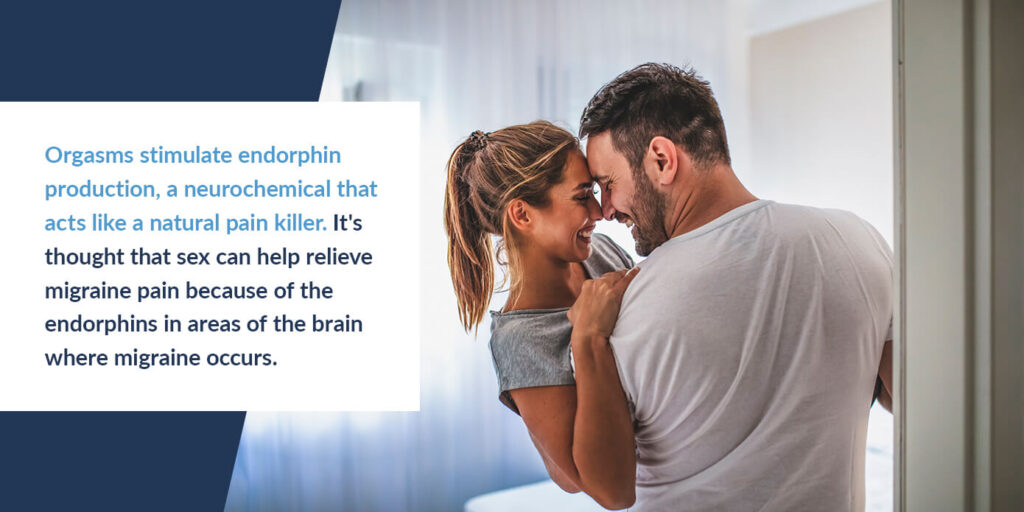
Perhaps the most prominent theory centers on the release of endorphins. Endorphins, a contraction of "endogenous morphine," are neuropeptides produced by the central nervous system and the pituitary gland. They are the body’s natural painkillers, acting on the same opioid receptors as drugs like morphine and heroin. During sexual arousal and particularly during orgasm, the brain floods the body with these potent analgesics. This surge of endorphins contributes significantly to the feelings of euphoria, well-being, and profound relaxation often experienced post-coitus.
The analgesic effect of endorphins is multifaceted. They can block pain signals from reaching the brain, reduce the perception of pain, and elevate mood, making any residual discomfort more tolerable. Specifically, endorphins influence the descending pain modulation system, a complex neural network that originates in the brainstem and projects down to the spinal cord, capable of inhibiting pain transmission. The intense pleasure and emotional connection associated with sex amplify this effect, creating a powerful physiological antidote to pain.
2. Oxytocin and Dopamine: The Neurochemical Symphony of Pleasure and Calm
Beyond endorphins, sexual activity orchestrates a broader release of neurochemicals that contribute to pain relief and well-being. Oxytocin, often dubbed the "love hormone" or "cuddle hormone," surges during orgasm. While primarily known for its role in social bonding and trust, oxytocin also possesses analgesic properties, particularly in modulating visceral pain and stress-induced pain. It can promote feelings of calm, reduce anxiety, and foster a sense of security, all of which are antagonistic to the stress and tension often associated with headaches.
Dopamine, a neurotransmitter central to the brain’s reward system, is also released in abundance during sexual activity. This dopamine rush contributes to the pleasure and motivation associated with sex. While not a direct analgesic, the activation of the reward system can indirectly reduce pain perception by shifting focus and enhancing positive emotional states. When the brain is deeply engaged in processing pleasure, the salience of pain signals can be diminished.
3. Distraction and the Power of Shifting Focus
Beyond the purely biochemical, the psychological component of distraction plays a significant role. Headaches, particularly chronic ones, can become all-consuming, trapping an individual in a cycle of pain and anxiety. The intense focus, physical sensations, and emotional engagement of sexual activity offer a profound form of distraction. For the duration of the act, the mind is diverted from the pain, engaged in an entirely different, highly pleasurable experience. This temporary mental vacation can break the cycle of pain perception, offering a crucial respite.
Furthermore, the act of intimacy itself can be a powerful stress reliever. Chronic stress is a known trigger for various headache types, especially tension-type headaches and migraines. Sex, by fostering connection, reducing anxiety, and promoting relaxation, can act as a natural stress management tool, thereby potentially reducing headache frequency or intensity over time. The post-coital state, often characterized by deep relaxation and sleepiness, further contributes to this stress-reducing effect.
4. Muscle Relaxation and Vascular Modulation
For tension-type headaches, which are often characterized by muscle contraction in the head, neck, and shoulders, the physical relaxation that follows orgasm can be particularly beneficial. The intense muscular contractions during sex are followed by a profound release and relaxation of skeletal muscles throughout the body, including those in the head and neck. This physical détente can directly alleviate the underlying tension contributing to the headache.
The vascular component is more complex. While the initial stages of arousal can involve some vasoconstriction, the overall physiological response during sex, particularly with the release of nitric oxide (NO), leads to vasodilation in many areas, including the genital region. How this impacts cerebral blood flow in the context of a headache is nuanced. Some headache theories, particularly older migraine theories, implicated vasoconstriction followed by vasodilation. If a headache is exacerbated by vasoconstriction, the subsequent vasodilation could, in theory, offer relief. However, this is a delicate balance, as excessive or rapid vascular changes can also trigger pain.
The Treacherous Turn: Why Sex Might Worsen Headaches
While for some, sex offers solace, for others, it can be a harbinger of intense pain. This side of the story is equally compelling and demands careful consideration, especially for the knowledgeable audience aware of the potential for more serious underlying conditions.
1. Primary Headache Associated with Sexual Activity (PHASA): The Exertional Headache
One of the most direct and well-documented ways sex can cause headaches is through a condition known as Primary Headache Associated with Sexual Activity (PHASA), previously known as coital cephalalgia. This is a benign primary headache disorder, meaning it’s not caused by another underlying condition. PHASA typically presents in two forms:
- Pre-orgasmic Type: This is a dull ache that gradually builds up in the head and neck as sexual excitement increases. It’s thought to be related to muscle contraction and increased blood pressure during the arousal phase.
- Orgasmic Type (Thunderclap Headache): This is the more dramatic and concerning form, characterized by a sudden, severe, explosive headache that occurs at the moment of orgasm. It can last anywhere from minutes to several hours, sometimes even days.
The exact pathophysiology of PHASA is not fully understood, but it’s believed to involve rapid changes in blood pressure and intracranial pressure, possibly leading to transient vasodilation of cerebral blood vessels. For the knowledgeable individual, it is absolutely critical to understand that any sudden, severe "thunderclap" headache, especially if it’s the first occurrence, must be medically evaluated immediately to rule out serious secondary causes such as subarachnoid hemorrhage (bleeding in the brain), arterial dissection, or reversible cerebral vasoconstriction syndrome (RCVS). While PHASA is benign, the initial presentation can mimic these life-threatening conditions.