The average waist size. It sounds like a mundane statistic, a data point among countless others in the vast ocean of public health metrics. Yet, for women, this seemingly innocuous measurement holds a profoundly personal and complex narrative, a silent chronicle of their health, their history, and the very fabric of their being. It’s a story whispered not by words, but by the subtle contours of the body, a tale that has evolved from ancient fertility symbols to modern metabolic alarms, carrying layers of cultural expectation, scientific revelation, and deeply personal anxieties.
For the knowledgeable audience, the journey into the significance of the waistline is not merely about reciting facts and figures; it is about understanding the intricate dance between biology, environment, and individual choices. It’s about peeling back the layers of perception to reveal the potent truth hidden beneath: the waist is not just a measure of girth, but a vibrant, dynamic indicator of systemic health, a sentinel standing guard over a woman’s vitality.
From Fertility to Fashion to Foreboding: The Waist’s Shifting Semiotics
To truly appreciate the modern significance of the waist, one must first traverse its historical landscape. For millennia, the female waist, or rather its absence or presence, communicated volumes. In prehistoric art, the exaggerated bellies and ample hips of figures like the Venus of Willendorf speak to a reverence for fertility and childbearing, where a wide waist was a sign of abundance and the continuation of the lineage. This was a waist that embraced life, not confined it.
As societies evolved, so too did the waist’s meaning. In various cultures, a slender waist often denoted beauty, grace, and sometimes, a certain aristocratic leisure – a body not hardened by manual labor. The Renaissance brought a celebration of curves, but with the advent of the corset in later centuries, the waist became an instrument of societal control and aesthetic torture. Here, the waist was a canvas for fashion, a symbol of rigid ideals, often achieved at the expense of health. Women literally reshaped their organs, restricted their breathing, and endured chronic pain, all to conform to an ideal that was entirely external, a dictate of fleeting trends rather than intrinsic well-being.
The 20th century, with its fluctuating fashion sensibilities, saw the waist alternately hidden, emphasized, or ignored. From the flapper’s dropped waist to the New Look’s cinched silhouette, the waist remained primarily a fashion statement. It was only in the latter half of the century, as chronic diseases began to surge and medical research deepened its understanding of metabolic processes, that the waist began its transformation from a cultural artifact into a critical clinical indicator. The innocuous strip of fabric, the tape measure, was no longer merely a tool for tailors; it became a diagnostic instrument, revealing a story far more profound than dress size.
The Visceral Truth: Why the Waistline Matters More Than the Scale
For decades, Body Mass Index (BMI) was the reigning champion of health assessment. While still a useful population-level tool, BMI’s limitations became increasingly apparent, particularly for women. BMI, calculated from weight and height, fails to differentiate between muscle and fat, nor does it distinguish where that fat is stored. A muscular athlete might be classified as overweight, while a sedentary individual with high body fat might fall into the "normal" range. This is where the waist circumference (WC) enters the narrative with a powerful, undeniable truth.
The critical distinction lies in the type of fat. Not all fat is created equal. Subcutaneous fat, the jiggle beneath the skin, while contributing to overall weight, is metabolically relatively inert. It’s the fat that sits around our organs deep within the abdominal cavity – visceral fat – that tells the more sinister story. This visceral fat is a metabolically active organ, a bustling factory of biochemicals, and its abundance is directly correlated with an increased waist circumference.
Visceral fat is far from a passive storage depot. It actively secretes a host of inflammatory markers known as adipokines and cytokines. These include resistin, which contributes to insulin resistance; leptin, which regulates appetite but can lead to leptin resistance when overproduced; and various interleukins and TNF-alpha, which fuel chronic systemic inflammation. This constant barrage of inflammatory signals disrupts normal physiological processes throughout the body, setting the stage for a cascade of health complications.
The Unfolding Narrative of Risk: What an Elevated Waistline Portends
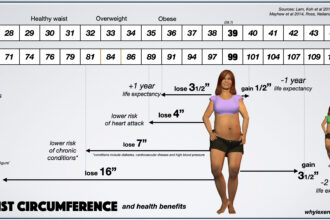
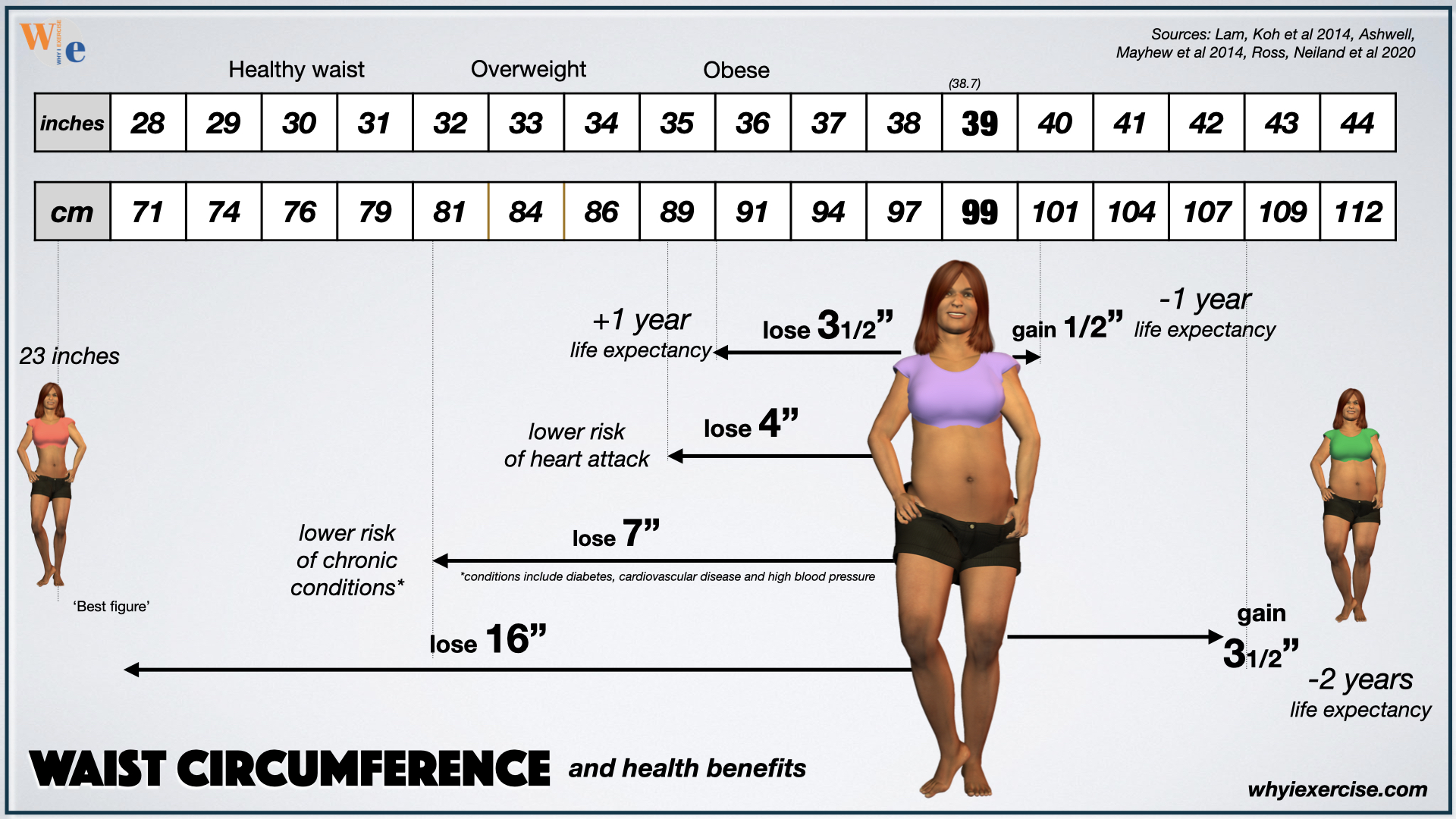
When a woman’s waist circumference exceeds healthy thresholds – generally considered to be above 35 inches (88 cm) for non-pregnant women of European descent, with slightly lower thresholds for certain ethnic groups – the narrative shifts from observation to alarm. This elevated WC is not merely an aesthetic concern; it is a red flag, a stark indicator of increased risk for a litany of chronic diseases that disproportionately affect women.
1. Cardiovascular Disease (CVD): The Silent Killer’s Blueprint
Visceral fat plays a central role in the development of CVD, the leading cause of death for women globally. The inflammatory chemicals it releases contribute to endothelial dysfunction, the hardening and narrowing of arteries (atherosclerosis), and increased blood pressure. It also interferes with lipid metabolism, leading to higher levels of "bad" LDL cholesterol and triglycerides, and lower levels of "good" HDL cholesterol. This metabolic cocktail significantly elevates the risk of heart attacks, strokes, and peripheral artery disease. For women, who often present with atypical CVD symptoms, an elevated waistline serves as an early warning that warrants proactive intervention.
2. Type 2 Diabetes: The Insulin Resistance Saga
Perhaps one of the most direct and well-established links is between visceral fat and Type 2 Diabetes. The adipokines secreted by visceral fat directly contribute to insulin resistance. In this state, the body’s cells become less responsive to insulin, the hormone responsible for regulating blood sugar. The pancreas then works overtime, producing more insulin, eventually becoming exhausted. This leads to elevated blood glucose levels, the hallmark of Type 2 Diabetes, with its attendant risks of neuropathy, nephropathy, retinopathy, and increased CVD risk.
3. Cancer: An Unwelcome Ally
Emerging research paints a concerning picture of the link between abdominal adiposity and various cancers. Chronic inflammation, hormonal imbalances (particularly elevated estrogen levels in post-menopausal women), and altered growth factors associated with visceral fat are believed to fuel cancer development and progression. Specific cancers with strong links include:
- Breast Cancer: Especially post-menopausal breast cancer, due to the conversion of androgens to estrogen in fat tissue.
- Endometrial Cancer: Again, linked to higher estrogen levels and insulin resistance.
- Ovarian and Colorectal Cancers: Likely due to systemic inflammation and other metabolic disruptions.
4. Polycystic Ovary Syndrome (PCOS) and Fertility: Hormonal Discord
For younger women, an increased waist circumference is often intertwined with Polycystic Ovary Syndrome (PCOS), a common endocrine disorder characterized by hormonal imbalances, irregular periods, and often, infertility. Visceral fat exacerbates insulin resistance, which in turn drives up androgen (male hormone) production in the ovaries, contributing to the symptoms of PCOS. This creates a vicious cycle where abdominal fat worsens PCOS, and PCOS makes it harder to lose abdominal fat, complicating fertility journeys and overall reproductive health.
5. Cognitive Decline and Dementia: The Brain-Belly Connection
A less commonly discussed but increasingly recognized risk is the link between abdominal obesity and cognitive decline, including an increased risk of dementia, particularly Alzheimer’s disease. The chronic inflammation and metabolic dysregulation initiated by visceral fat are thought to damage brain cells and contribute to the accumulation of amyloid plaques and tau tangles, hallmarks of Alzheimer’s. The story of the waistline, therefore, extends even to the delicate architecture of the brain.
6. Mental Health: The Stress-Fat Cycle
The narrative of the waistline also touches upon mental well-being. Chronic stress leads to elevated cortisol levels, which can promote the storage of visceral fat. Conversely, the metabolic complications associated with an enlarged waist, such as inflammation and insulin resistance, can impact neurotransmitter function and increase the risk of depression and anxiety. It’s a complex, bidirectional relationship, where the physical and mental health stories intertwine.