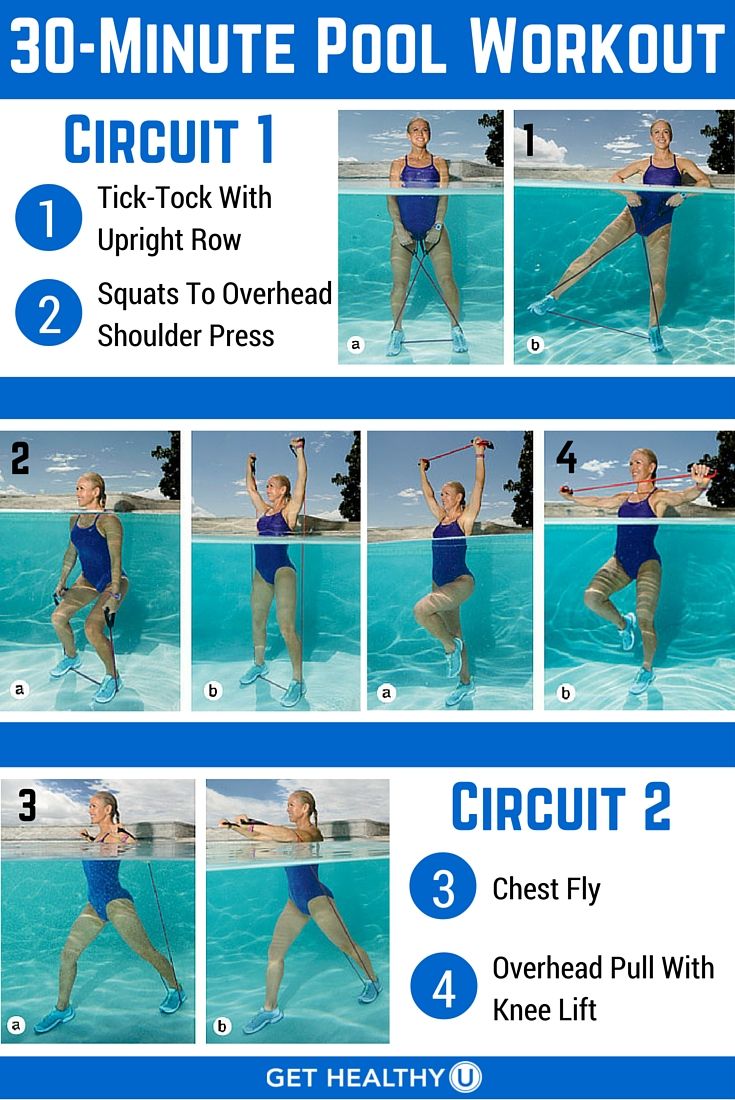
The air hangs heavy with the scent of chlorine, a scent often associated with childhood summers, leisurely dips, or perhaps the rhythmic laps of competitive swimmers. For many, the pool is a sanctuary from the relentless pull of gravity, a place of solace and low-impact movement. Yet, beneath its shimmering surface lies a profound truth, one increasingly supported by scientific research: the aquatic environment is a powerful, often underestimated, arena for transformative weight loss and the precise sculpting of the body, particularly the elusive waistline. This isn’t merely about splashing around; it’s about harnessing the unique physics of water to redefine fitness, burn stubborn fat, and reclaim a healthier, more vibrant physique.
Imagine a journey, perhaps one you’ve embarked on countless times. The journey of weight loss. It often begins with fervent determination, fueled by resolutions and the promise of a new beginning. We lace up our running shoes, brave the unforgiving pavement, or commit to the clanking cacophony of the gym. For some, these paths lead to success, but for a vast number, they become fraught with obstacles: joint pain, muscle soreness, plateaus, and ultimately, the disheartening spiral of demotivation. The high impact of land-based exercise can wear down even the most resilient spirit, turning the pursuit of health into a painful ordeal.
It’s in this landscape of struggle that the pool emerges not just as an alternative, but as a revolutionary frontier. The story of aquatic fitness isn’t just about avoiding impact; it’s about leveraging a medium that actively works with the body in ways air cannot. Research is increasingly illuminating how the simple act of submerging oneself in water unlocks a cascade of physiological benefits, transforming the mundane into the magnificent. From the gentle embrace of buoyancy to the omnipresent resistance, the pool offers a holistic, efficient, and surprisingly intense workout environment that promises not only to shed pounds but to carve inches from the waist, often where traditional methods fall short.
This isn’t merely anecdotal evidence; it’s a narrative woven from the threads of biomechanics, physiology, and rigorous scientific inquiry. For the knowledgeable individual seeking a deeper understanding, this article will plunge into the scientific underpinnings of why water is such an effective tool for weight loss and waist reduction, explore the research that validates these claims, and provide a roadmap for harnessing the power of the pool to sculpt a leaner, healthier you.
The Science Beneath the Surface: Why Water Works its Magic
To truly appreciate the efficacy of pool workouts, one must first grasp the fundamental physical principles that differentiate water from air. It’s these unique properties that turn a seemingly gentle environment into a formidable fitness machine.
1. The Embrace of Buoyancy: Defying Gravity, Expanding Potential
Perhaps the most immediately noticeable effect of water is buoyancy – the upward thrust exerted by a fluid that opposes the weight of an immersed object. For the human body, this translates into a significant reduction in gravitational load. Depending on the depth and individual body composition, buoyancy can reduce body weight by 50% to 90%.
- Reduced Impact, Enhanced Accessibility: This reduction in weight-bearing stress is a game-changer. For individuals suffering from arthritis, joint pain, obesity, recovering from injuries, or those simply prone to impact-related discomfort, water exercise becomes a viable, often pain-free, option. It allows for movement that would be impossible or excruciating on land, enabling consistent exercise – a cornerstone of any successful weight loss regimen.
- Greater Range of Motion: With gravity’s pull lessened, joints can move through a wider range of motion without strain. This not only improves flexibility but also allows for more complete muscle contractions, engaging fibers that might be neglected in restricted land-based movements. A greater range of motion means more muscle activation, leading to higher calorie expenditure and improved muscle definition.
- Perceived Exertion vs. Actual Exertion: The cooling effect of water and the reduced perceived effort due to buoyancy can sometimes mask the true intensity of a workout. While you might feel less strained, your muscles are often working harder against resistance, and your cardiovascular system is still challenged. This allows individuals to push harder for longer without the mental fatigue or physical discomfort often associated with high-intensity land workouts.
2. The Pressure of Hydrostatics: A Gentle, Internal Massage
Hydrostatic pressure refers to the pressure exerted by a fluid at equilibrium at any given point within the fluid, due to the force of gravity. In a pool, this pressure is exerted equally on all submerged surfaces of the body. The deeper you go, the greater the pressure.
- Enhanced Circulation and Venous Return: This external pressure acts like a natural compression garment, assisting in venous return (the flow of blood back to the heart). This can reduce swelling, alleviate muscle soreness, and improve overall circulation. Better circulation means more efficient delivery of oxygen and nutrients to working muscles and removal of metabolic waste, aiding recovery and performance.
- Reduced Edema and Swelling: For individuals prone to lower limb swelling (edema), hydrostatic pressure is particularly beneficial, gently pushing fluids back towards the core, which can be immensely helpful for comfort and mobility, making sustained exercise more achievable.
- Respiratory Muscle Training: The pressure on the chest wall also means the respiratory muscles (diaphragm, intercostals) have to work harder to inhale, effectively providing a subtle form of resistance training for the lungs. This can improve respiratory efficiency over time.
3. The Resistance of Water: A Multi-Directional Strength Lab
This is where the magic truly unfolds for calorie burn, muscle engagement, and body sculpting. Water is approximately 800 times denser than air. This density creates omnipresent resistance that significantly amplifies the demands of any movement.
- Multi-Directional Resistance: Unlike air, which offers minimal resistance, water resists movement in all directions. Every push, pull, kick, and swing is met with opposition. This means that both the primary movers (agonists) and the opposing muscles (antagonists) are engaged simultaneously, leading to more comprehensive muscle activation and a higher calorie burn per movement. For example, a bicep curl on land primarily works the bicep on the way up, relying on gravity for the eccentric phase. In water, both the bicep (lifting) and tricep (lowering against water resistance) are actively engaged.
- Increased Muscle Activation and Strength: This constant, multi-directional resistance translates directly into increased muscle activation. More muscles working harder means more energy expended, which is fundamental for weight loss. Over time, this consistent resistance builds lean muscle mass – a metabolic powerhouse that burns more calories at rest, even after your workout.
- Core Stabilization: The unstable nature of the water, coupled with its resistance, forces the core muscles (abdominals, obliques, lower back) to constantly engage to stabilize the body. Every movement, whether walking, kicking, or punching, requires significant core activation to maintain balance and control. This continuous core engagement is precisely why aquatic workouts are so effective at trimming and toning the waistline. It’s a natural, functional core workout without ever having to do a single crunch on a mat.
- Variable Resistance: The resistance in water is proportional to the speed and surface area of the movement. The faster you move, the greater the resistance. The larger the surface area you push against (e.g., using webbed gloves or paddles), the greater the resistance. This allows for easy progression and regression, making workouts adaptable to all fitness levels.