In the grand narrative of our lives, we often focus on the visible markers of strength: sculpted muscles, a lean physique, the stamina to conquer mountains. Yet, beneath this surface lies a silent, intricate architecture – our skeletal system. It’s the framework that supports every movement, protects our vital organs, and serves as a dynamic reservoir for essential minerals. For too long, the health of our bones has been relegated to a whisper, a concern often arising only when their integrity begins to falter. But what if we told a different story? A story of proactive empowerment, of consciously building and maintaining the very foundation of our existence, ensuring it remains robust and resilient for a lifetime?
This is not just an article; it’s an invitation to embark on a journey of understanding and action. Our bones, far from being static, are living, breathing tissues constantly undergoing a process of renewal. And just like any other living tissue, they respond to the demands we place upon them. The remarkable truth is that we hold significant power to influence their density and strength, safeguarding ourselves against the insidious progression of osteoporosis – the "silent thief" that can weaken bones to the point of fragility, turning a simple fall into a life-altering event.
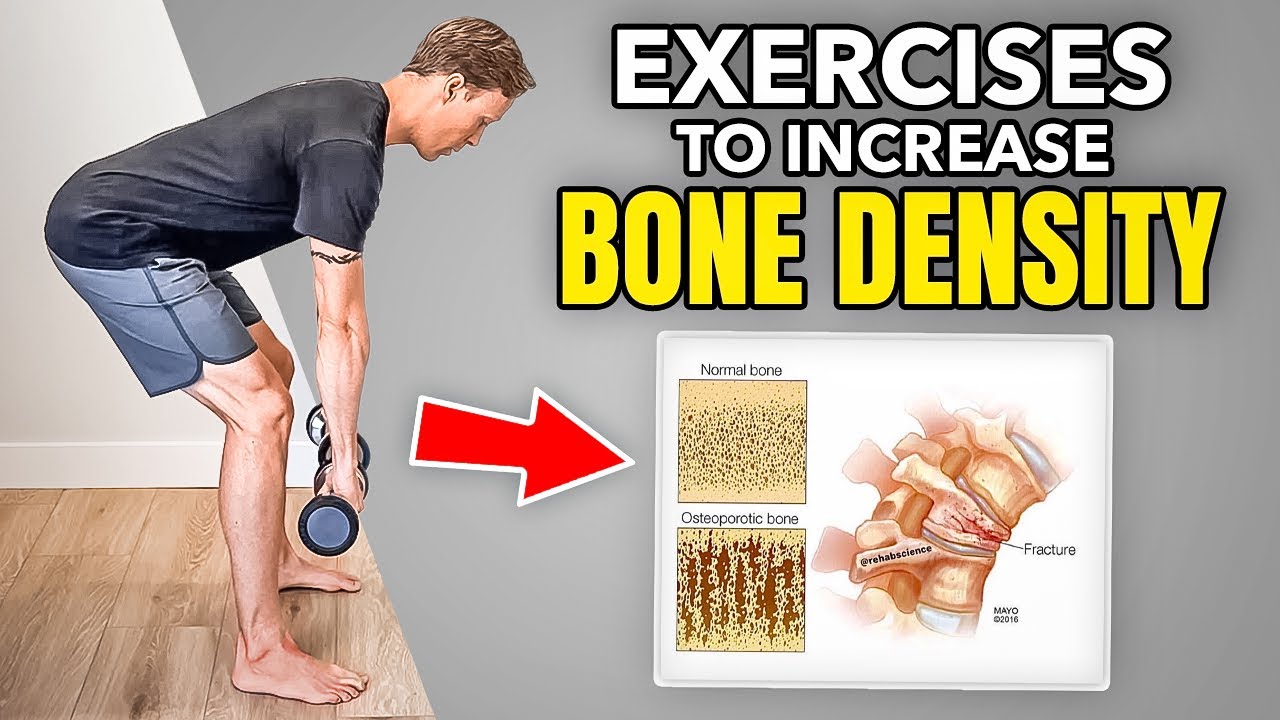
For the knowledgeable among us, the science is compelling. Our bones are not merely inert structures but dynamic organs, continually remodeling themselves. Specialized cells, osteoblasts, build new bone tissue, while osteoclasts break down old bone. In youth, osteoblast activity outpaces osteoclast activity, leading to peak bone mass, typically achieved in our late 20s or early 30s. After this peak, the balance gradually shifts, and we begin to lose bone mass, a process that accelerates for women post-menopause. But here’s the crucial plot twist: exercise, particularly specific types of exercise, can significantly tip this balance back in our favor, stimulating osteoblasts and enhancing bone mineral density (BMD). This isn’t just about preventing disease; it’s about optimizing our physical potential, ensuring our framework can support a life lived to its fullest.
This comprehensive guide delves into the science and practical application of five powerful exercise categories designed to improve your bone density. We’ll explore not just what to do, but why it works, offering insights into proper technique, progression, and how to integrate these vital movements into your daily routine, transforming abstract knowledge into tangible strength.
The Unseen Architecture: Understanding Bone Biology and Wolff’s Law
Before we dive into the specifics of exercise, let’s take a moment to appreciate the marvel that is bone. Imagine a complex scaffolding, constantly being repaired and reinforced. This is a simplified view of bone remodeling. Osteoclasts are like demolition crews, breaking down old or damaged bone tissue, creating microscopic cavities. Then, osteoblasts, the construction workers, move in to fill these cavities with new bone matrix, which then mineralizes with calcium and other minerals, making it strong and rigid. This cycle takes about 3-6 months for a given spot and ensures our skeleton is always adapting and renewing itself.
The magic behind exercise’s impact on bone density lies in a principle known as Wolff’s Law, first articulated by the German anatomist Julius Wolff in the 19th century. In essence, Wolff’s Law states that bone in a healthy person or animal will adapt to the loads under which it is placed. If loading increases, the bone will remodel itself to become stronger to resist that loading. Conversely, if the loading decreases (e.g., prolonged bed rest, space travel), the bone will become weaker.
Think of it like this: your bones are smart. They don’t want to carry unnecessary weight, but they also want to be strong enough for whatever you throw at them. When you apply mechanical stress – through impact, muscle contractions, or resistance – your bones interpret this as a signal that they need to be stronger. This mechanical stress creates tiny electrical currents within the bone matrix (piezoelectric effect) and fluid shifts within the bone’s intricate canal system, signaling the osteocytes (mature bone cells embedded within the bone) to activate osteoblasts. The result? Increased bone formation and improved density.
For a knowledgeable audience, it’s also important to understand the types of mechanical stress that are most effective. Not all stress is created equal. Bone responds best to:
- High-magnitude forces: The greater the force applied, the stronger the osteogenic (bone-building) response.
- Rapidly applied forces: Quick, dynamic movements are more effective than slow, sustained ones.
- Unusual or novel loading patterns: Bones adapt to routine stress, so varying your exercises and intensities can keep stimulating new growth.
- Short, intermittent bouts: Many short bursts of impact are often more effective than one long, continuous period of moderate impact.
With this understanding, we can now appreciate why the following five exercise categories are not just good for general fitness, but specifically excellent for building and maintaining robust bone density.
The Master Plan: A Holistic Approach to Bone Health
While exercise is a cornerstone, bone health is a multifaceted endeavor. For the knowledgeable individual, it’s crucial to contextualize exercise within a broader lifestyle framework. Optimal bone density is a symphony of coordinated efforts:
- Nutrition:
- Calcium: The primary mineral in bone, calcium intake is non-negotiable. Dairy products, leafy green vegetables, fortified foods, and certain nuts and seeds are excellent sources. Adults generally need 1,000-1,200 mg/day.
- Vitamin D: Crucial for calcium absorption from the gut into the bloodstream and its subsequent integration into bone. Sunlight exposure is a primary source, but dietary sources (fatty fish, fortified foods) and supplements are often necessary, especially in less sunny climates. Aim for 600-800 IU/day, with many experts suggesting higher levels (1,000-2,000 IU) for optimal bone health, particularly in older adults.
- Vitamin K2: Often overlooked, K2 plays a vital role in directing calcium to the bones and preventing its deposition in arteries. Found in fermented foods (natto, certain cheeses) and some animal products.
- Magnesium: Involved in hundreds of biochemical reactions, including bone formation. Leafy greens, nuts, seeds, and whole grains are good sources.
- Protein: Essential for the bone matrix, which is primarily protein. Adequate protein intake supports muscle mass, which in turn places beneficial stress on bones.