More than just a fluid, semen is a sophisticated biological cocktail, a marvel of evolutionary engineering, and the very vehicle carrying the blueprint for new life. Often shrouded in curiosity, misconception, and sometimes embarrassment, understanding semen is fundamental to comprehending human reproduction, male health, and even aspects of our shared biological journey.
For something so central to our existence, it remains remarkably misunderstood. This article aims to demystify semen, delving into its intricate composition, its production, its vital functions, and the many factors that influence it. We’ll embark on a journey through 12 frequently asked questions, unraveling the science and shedding light on this fascinating biological substance. Prepare to gain a knowledgeable perspective on what truly is one of life’s most potent fluids.
1. What exactly is semen?
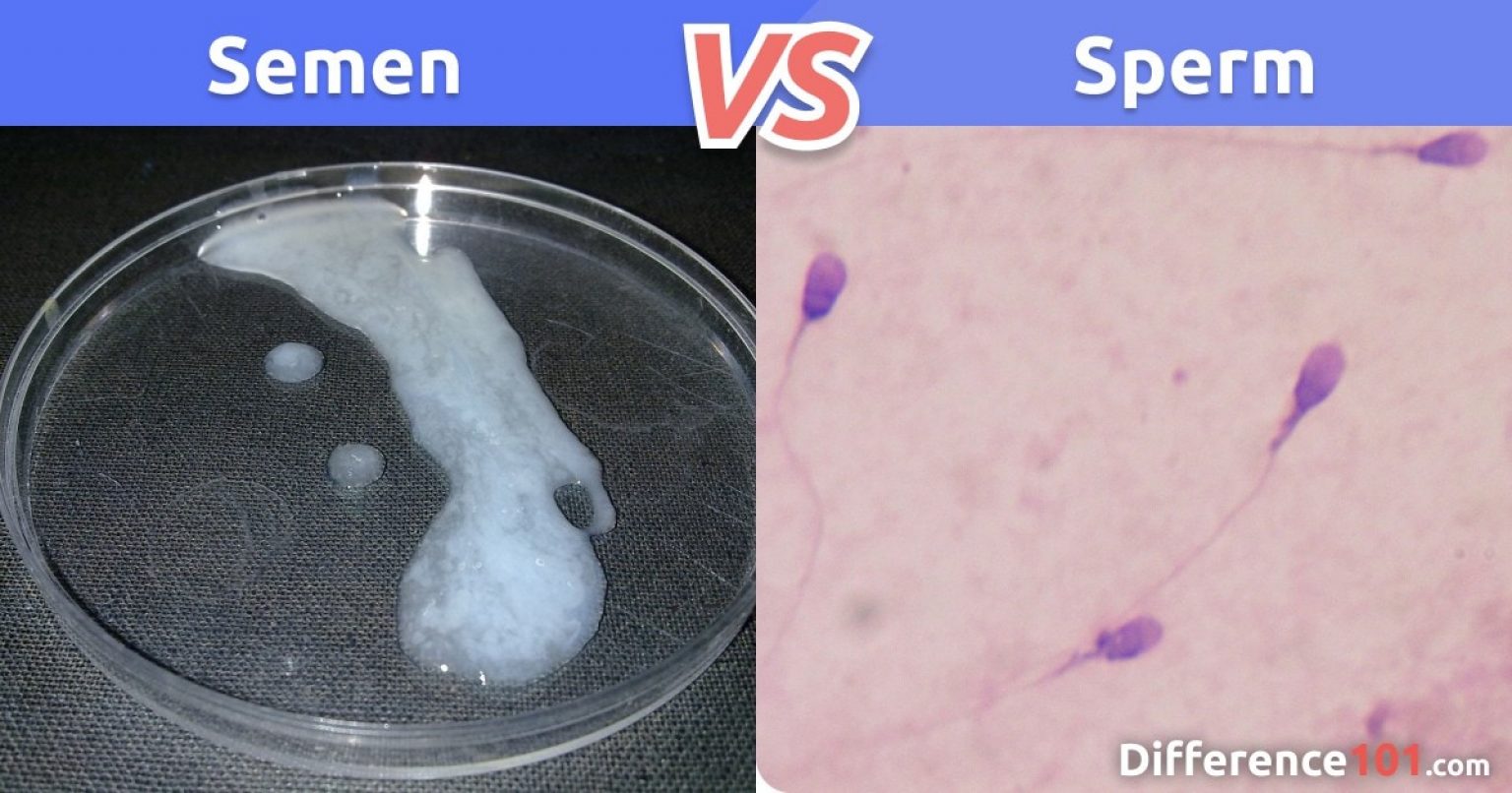
At its core, semen is the biological fluid expelled from the male reproductive tract during ejaculation. While often colloquially equated with "sperm," it’s crucial to understand that semen is far more complex than just its most famous component. Think of semen as the sophisticated delivery system, and sperm (or spermatozoa) as the precious cargo it carries.
Semen is a composite fluid, an intricate blend of spermatozoa and seminal plasma. Seminal plasma, making up the vast majority of the ejaculate, is a nutrient-rich, alkaline fluid produced by various accessory glands in the male reproductive system. Its primary role is to provide a protective, nourishing, and transport medium for the sperm, ensuring their viability and aiding their arduous journey towards the egg.
Without the seminal plasma, sperm would be highly vulnerable to the acidic environment of the vagina, lack the energy for their long swim, and face numerous other obstacles. Thus, semen is a testament to biological teamwork, where each component plays a critical role in the overarching goal of procreation.
2. What are the primary components of semen?
Semen is a mosaic of contributions from several glands, each adding unique elements to create this potent fluid. Its primary components can be broadly categorized into two main parts:
a) Spermatozoa (Sperm):
These are the male gametes, the reproductive cells carrying half of the genetic information necessary to form a new human being. Produced in the testes, sperm are microscopic, tadpole-like cells, each comprising a head (containing the DNA), a midpiece (packed with mitochondria for energy), and a tail (flagellum) that propels it forward. Though vital, sperm typically constitute only about 2-5% of the total semen volume.
b) Seminal Plasma:
This is the fluid portion of semen, an elaborate concoction produced by a series of accessory glands:
-
Seminal Vesicles (approx. 60-70% of seminal plasma): These two glands, located behind the bladder, contribute the largest volume. Their secretions are rich in:
- Fructose: A sugar that serves as the primary energy source for sperm motility, fueling their long swim.
- Prostaglandins: Hormone-like substances that can stimulate contractions in the smooth muscles of the female reproductive tract, potentially aiding sperm transport. They also suppress the female immune response against foreign sperm.
- Coagulating Proteins: These cause semen to temporarily coagulate shortly after ejaculation, forming a gel-like plug that helps hold the semen within the vagina and protects sperm from the acidic environment.
-
Prostate Gland (approx. 20-30% of seminal plasma): This walnut-sized gland below the bladder contributes a thin, milky, slightly acidic fluid containing:
- Citric Acid: A nutrient for sperm.
- Seminalplasmin: An antibiotic that helps prevent bacterial infections in the male reproductive tract and, potentially, in the female tract.
- Acid Phosphatase: An enzyme whose function is not fully understood but is used in forensic science to identify semen.
- Prostate-Specific Antigen (PSA): An enzyme that helps liquefy the coagulated semen a few minutes after ejaculation, freeing the sperm to swim.