The question seems deceptively simple: What is the average shoe size for women? At first glance, it might elicit a shrug, perhaps a quick mental calculation based on personal experience or anecdotal evidence. But delve a little deeper, and you unearth a fascinating, intricate tapestry woven from threads of biology, history, culture, industry, and individual experience. This isn’t just a number; it’s a reflection of human evolution, societal shifts, and the intimate relationship we have with our own bodies, particularly those hardworking foundations that carry us through life: our feet.
To truly understand the "average," we must embark on a journey that transcends mere statistics, exploring the forces that shape our feet, the challenges of fitting them, and the profound, often unspoken, stories they tell. For the knowledgeable reader, this isn’t just about a measurement; it’s about the very essence of identity, comfort, and the ever-evolving human form.
The Elusive Average: Pinpointing the Numbers
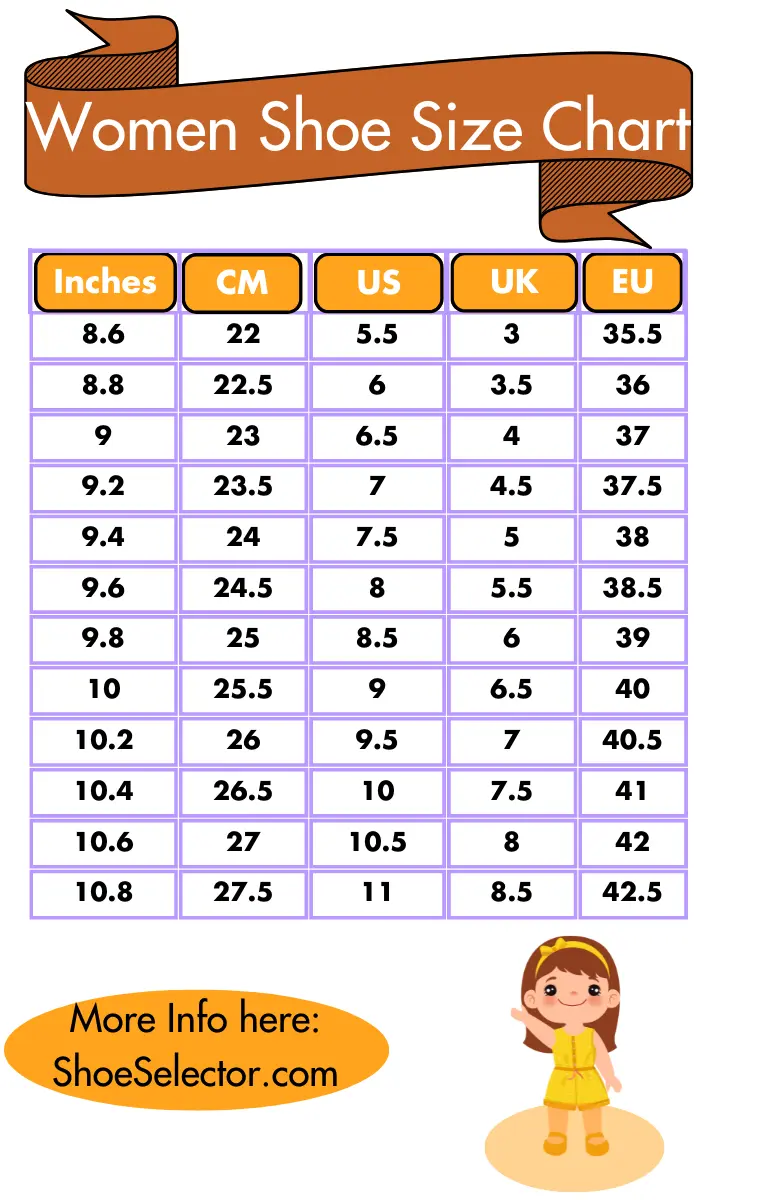
Let’s begin with the quest for the number itself. In the United States, common wisdom, often supported by various industry surveys and retail data, suggests that the average women’s shoe size hovers around a US size 8 or 8.5. This marks a significant increase from just a few decades ago when a size 6 or 6.5 was often considered the norm.
However, "average" is a slippery concept. It’s a statistical midpoint that often obscures the vast spectrum of reality. What does this average truly represent?
- Self-Reported Data vs. Measured Data: Much of the information we have comes from self-reported surveys or sales data, which can be influenced by how individuals perceive their size or the sizes available to them. Actual anthropometric studies, where feet are meticulously measured, can sometimes yield slightly different results, though they generally confirm the upward trend.
- Geographic Variations: The "average" is rarely global. European women, for instance, often have a slightly different average, with a typical size falling around a EU 39 (which translates to roughly a US 8-8.5). In the UK, the average is closer to a UK 6 or 6.5. Asian countries often have smaller average foot sizes, leading to entirely different sizing conventions and proportional considerations in footwear design. These differences highlight the role of genetics and environmental factors across populations.
- The Bell Curve: Like many biological traits, shoe size tends to follow a normal distribution, or a "bell curve." The average sits at the peak, but there’s a wide spread on either side. Many women fall within one size above or below the average, and a significant percentage exist at the extremes – those who wear petite sizes (US 4-5) and those who require larger sizes (US 10+). The average is merely a central tendency, not a universal blueprint.
This upward trend in average shoe size isn’t unique to women; men’s average shoe sizes have also increased. It’s a compelling phenomenon that points to broader shifts in human biology and lifestyle.
A Tapestry of Influences: Why Feet Differ
To understand why the average has shifted, and why there’s such a wide range of sizes, we must delve into the symphony of factors that sculpt our feet. It’s a narrative of nature and nurture, of genetics and environment.
1. Genetics: The Blueprint of Our Being
The most fundamental determinant of foot size and shape is genetics. We inherit a predisposition for certain physical characteristics from our parents, and foot structure is no exception. This includes not only length and width but also arch height, toe length, and overall bone structure.
- Ancestral Lineage: Different ethnic groups often exhibit distinct foot characteristics. For example, some populations might have naturally wider feet, higher arches, or longer second toes, all of which influence the perceived "size" and the fit of standard footwear. This genetic legacy is a powerful, silent force shaping our feet long before we ever try on our first pair of shoes.
- Familial Traits: It’s common to observe similar foot shapes and sizes within families. A daughter might find herself wearing the same size as her mother or sharing a similar arch profile, a testament to the powerful hand of heredity.
2. Nutrition and Health: Fueling Growth
The historical increase in average shoe size correlates strongly with improvements in nutrition and overall health, particularly during childhood and adolescence.
- Improved Diet: Generations past, particularly in industrialized nations, faced periods of nutritional scarcity. Modern diets, generally richer in proteins, vitamins, and minerals, support more robust skeletal growth. Children today, on average, are taller and heavier than their ancestors, and this extends to their extremities.
- Healthcare Advancements: Better healthcare, reduced incidence of childhood diseases, and improved sanitation have also contributed to healthier, stronger physical development, allowing individuals to reach their full genetic growth potential.
- Obesity: While not a direct cause of longer feet, increased body weight can lead to feet spreading and widening over time due to the constant load. It can also exacerbate conditions like flat feet, altering the functional size and requiring different footwear considerations.
3. Height and Build: A Natural Correlation
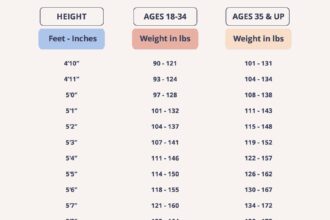
There’s a general, though not absolute, correlation between a person’s height and their shoe size. Taller individuals tend to have larger feet, as larger feet provide a more stable base for a taller frame. However, this is a correlation, not a strict rule. Many petite women have surprisingly large feet for their height, and vice-versa. It’s one piece of the puzzle, but far from the whole picture.