The mango. Just the name conjures images of sun-drenched groves, vibrant hues of crimson and gold, and a taste that is at once exotic and utterly comforting. For many, it’s the quintessential tropical fruit, a sweet escape that transports the palate to warmer climes. But beneath that luscious skin and beyond its famously juicy flesh lies a treasure trove of history, science, and cultural significance that even the most seasoned mango enthusiast might overlook.
This isn’t just a tale of a fruit; it’s an epic journey spanning millennia and continents, a botanical marvel, and a nutritional powerhouse wrapped in a delectable package. Prepare to peel back the layers and discover ten surprising facts that reveal the mango as not just sweet and succulent, but secretly a profound force of nature, history, and health. Our journey delves deep, offering insights for the knowledgeable palate, eager to savor more than just flavor.
Fact 1: Its Ancient Roots Dwarf Human Civilizations – A 4,000-Year-Old Love Affair
When we speak of ancient fruits, we often think of olives or dates. But the mango’s lineage stretches back further, so far back that its domestication predates many of the foundational civilizations we study today. The tale of the mango begins not just centuries, but millennia ago, in the verdant, monsoon-kissed lands of South Asia, specifically the region encompassing present-day India and Myanmar. Archaeological and paleobotanical evidence, including fossil records, suggests that wild mango species thrived in these regions as far back as 25 to 30 million years ago. However, the cultivated mango, the sweet, fleshy fruit we adore, is believed to have been first domesticated over 4,000 years ago.
Imagine the earliest farmers, perhaps in the Indus Valley, selecting and propagating trees that bore the sweetest, most fibrous, or most aromatic fruits. This wasn’t a quick process; it was a patient, generational endeavor of observation and propagation. The mango was not merely a food source; it quickly became intertwined with the spiritual and cultural fabric of ancient India. References to mangoes appear in ancient Hindu scriptures, particularly the Vedas, and Buddhist texts. Lord Buddha himself is said to have been offered a mango grove for meditation, symbolizing the fruit’s association with enlightenment and prosperity.
From these ancient groves, the mango began its slow, deliberate march across the globe. Carried by intrepid travelers, Sufi mystics, and Persian traders, its seeds journeyed across the Silk Road to the Middle East and Africa, arriving in East Asia by the 5th century BCE. Arab traders further facilitated its spread, introducing it to the eastern coast of Africa by the 10th century. The arrival of European explorers in the 15th and 16th centuries marked a new chapter in its global dispersal. Portuguese navigators, captivated by the fruit during their voyages to India, introduced it to their colonies in Africa and Brazil, and from there, it spread to other parts of the Americas, eventually reaching Mexico and Florida.
This epic journey, spanning thousands of years and vast oceans, underscores not just the mango’s adaptability but humanity’s enduring fascination with its unparalleled taste. It’s a testament to a fruit that has truly stood the test of time, evolving alongside human history, nourishing bodies, inspiring art, and becoming a silent witness to the rise and fall of empires. Every bite of a mango, therefore, is not just a taste of the tropics, but a taste of ancient history, a direct connection to the agricultural pioneers of millennia past.
Fact 2: It’s a Surprising Cousin to Cashews and Poison Ivy (Yes, Really!)
This fact often catches people by surprise and offers a fascinating glimpse into the intricacies of botanical classification. The mango ( Mangifera indica) belongs to the family Anacardiaceae. What other plants share this family tree? Prepare for a revelation: cashews, pistachios, and even the notorious poison ivy, poison oak, and sumac.
The common thread linking these seemingly disparate plants is the presence of urushiol, a mixture of organic compounds that can cause allergic reactions. In poison ivy, urushiol is highly concentrated and notorious for causing itchy rashes upon contact. In cashews, urushiol is present in the shell of the nut, which is why raw cashews are never sold commercially; they must be roasted to neutralize the urushiol before consumption. Similarly, pistachios also contain trace amounts in their shells.
For mangoes, urushiol is primarily found in the skin and sap of the fruit, as well as in the leaves and stems of the tree. While most people can enjoy mangoes without issue, individuals who are highly sensitive to poison ivy may experience a delayed allergic reaction after handling or eating mangoes, particularly if they come into contact with the skin or the sap near the stem. This reaction, sometimes called "mango rash" or "mango dermatitis," typically manifests as an itchy, red rash around the mouth or on the hands. The good news is that the urushiol content in the flesh of a ripe mango is generally very low, and peeling the fruit carefully (perhaps with gloves, or by cutting it away from the skin) can significantly reduce exposure.
This botanical kinship isn’t just a quirky fact; it’s a crucial piece of information for those with sensitivities and a testament to the complex chemistry that defines plant families. It reminds us that even our most beloved fruits harbor secrets, and that the natural world is full of unexpected connections, uniting the sweet indulgence of a mango with the irritating sting of a common weed. Understanding these relationships enriches our appreciation for the biological diversity around us and helps us navigate it with greater awareness.
Fact 3: The "King of Fruits" in India – A Symbol Far Beyond Flavor
In India, the mango isn’t just a fruit; it’s an institution, a national obsession, and a profound cultural symbol. Referred to reverently as the "King of Fruits," its significance permeates every aspect of Indian life, from religious rituals and artistic expressions to culinary traditions and social customs. This title isn’t merely a nod to its deliciousness; it reflects a deep-seated respect and admiration that has been cultivated over millennia.
During the scorching Indian summer, the arrival of the mango season is met with unparalleled excitement. Markets overflow with countless varieties – from the legendary Alphonso, known for its buttery texture and intense sweetness, to the fibrous Langra, the fragrant Dasheri, and the tart Kesar. Each region boasts its own prized cultivars, leading to passionate debates among connoisseurs about which reigns supreme. Mango festivals are held, celebrating the diversity and bounty of this cherished fruit.
Culturally, the mango holds immense symbolic weight. Its leaves are considered sacred and are often used in Hindu pujas (worship ceremonies) and festivals, adorning doorways as a sign of good luck, prosperity, and fertility. The fruit itself is a common offering to deities. In ancient Indian art and literature, the mango tree and its fruit frequently appear as motifs representing love, fertility, and abundance. Poets have sung its praises for centuries, and classical Indian music often evokes the mood of the mango season.
Beyond spirituality and art, the mango is a cornerstone of Indian cuisine. It’s not just eaten fresh; it’s transformed into an astonishing array of dishes. Raw, green mangoes are used to make tangy pickles (aachar), refreshing chutneys, and savory curries. Ripe mangoes become the base for lassis (yogurt drinks), desserts like aamras (mango pulp), and countless sweets. Even mango wood has been historically used for furniture and agricultural tools, though this practice is less common today.
The "King of Fruits" status in India is a multifaceted honor, reflecting not just its exquisite taste but its indelible mark on the nation’s identity, history, and collective consciousness. It’s a symbol of tradition, celebration, and the enduring connection between nature and culture, embodying the very essence of summer and the richness of life itself.
Fact 4: A Nutritional Powerhouse Beyond Vitamin C – A Symphony of Bioactive Compounds
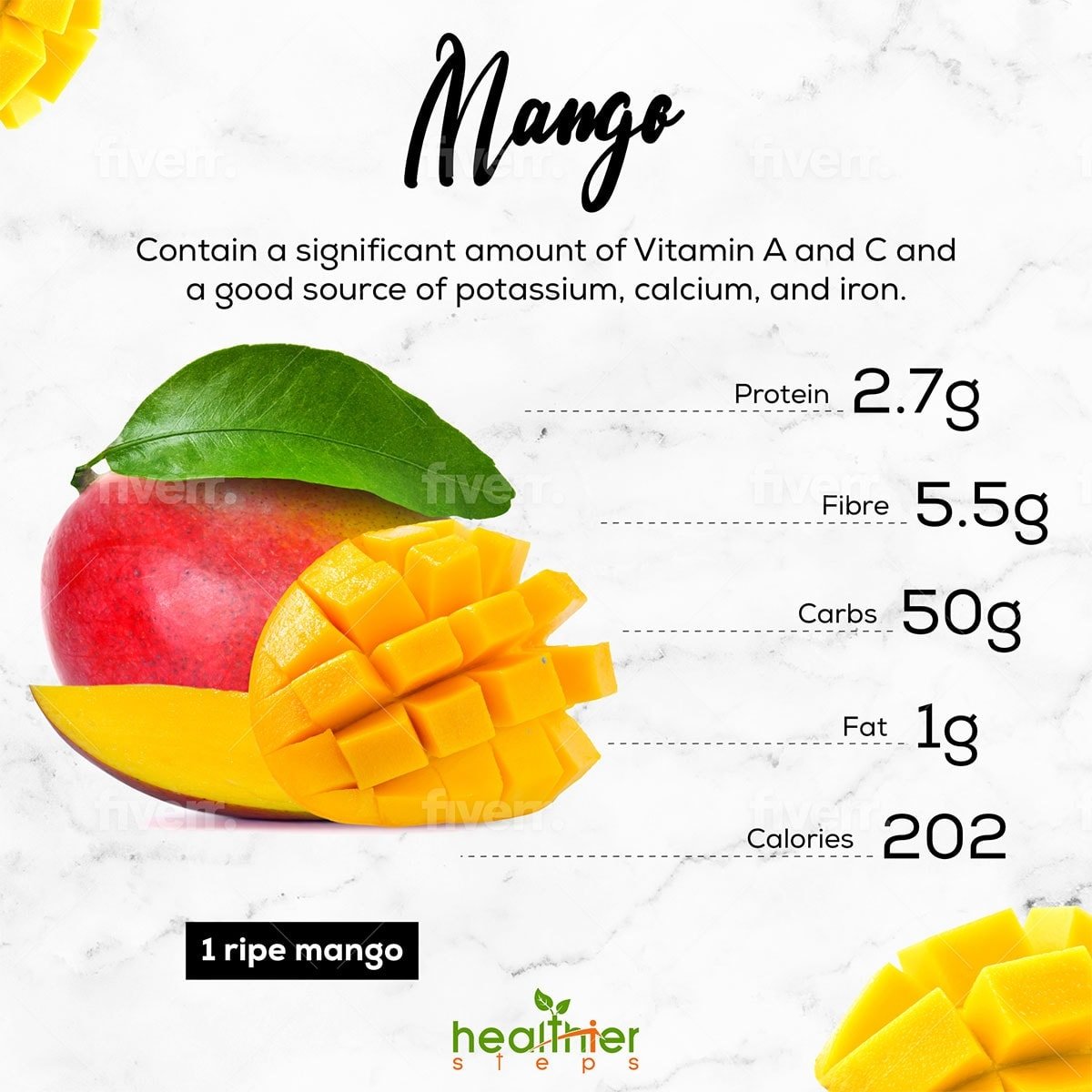
While most people know mangoes are a good source of Vitamin C, their true nutritional prowess extends far beyond this singular vitamin. The mango is, in fact, a remarkably comprehensive package of vitamins, minerals, fiber, and a diverse array of bioactive compounds, making it a genuine nutritional powerhouse. For the knowledgeable audience, understanding the specific components is key to appreciating its health benefits.
Let’s dissect its profile:
-
Vitamins: