In the grand tapestry of human existence, there are countless quests for happiness, for peace, for relief from pain and stress. We seek solace in external sources – in relationships, achievements, distractions, and even medications. Yet, within each of us lies an extraordinary, sophisticated "inner pharmacy," a biological marvel capable of producing some of the most potent mood-enhancers and pain-relievers known to science. These are the endorphins, the unsung heroes of our well-being, tiny peptide neurotransmitters with the power to profoundly transform our mood, our perception of pain, and ultimately, the trajectory of our health.
This isn’t merely a scientific exposition; it’s the story of an internal revolution, a narrative of how understanding and harnessing these powerful molecules can unlock a more resilient, joyful, and vibrant life. It’s the tale of moving from passive recipient of life’s ups and downs to an active participant in crafting one’s own internal landscape of well-being.
The Whisper of Well-being: What Exactly Are Endorphins?
To truly appreciate the transformative power of endorphins, we must first understand what they are. The name itself offers a clue: "endorphin" is a portmanteau of "endogenous morphine." "Endogenous" means originating from within the body, and "morphine" refers to their potent opioid-like effects. Produced primarily in the pituitary gland and hypothalamus, these neurochemicals are essentially the body’s natural painkillers and pleasure-inducers.
Unlike external drugs, endorphins don’t just mask symptoms; they work in harmony with our body’s intricate systems. When released, they bind to opioid receptors throughout the brain and nervous system, similar to how opioid medications operate. This binding action triggers a cascade of effects: a reduction in pain perception, a feeling of euphoria, and a general sense of well-being. There are several types of endorphins, with beta-endorphins being the most extensively studied and potent, often associated with the well-known "runner’s high." Enkephalins and dynorphins also play crucial roles, contributing to various aspects of pain modulation and emotional regulation.
Their very existence is a testament to evolution’s genius. Imagine our ancestors, facing the harsh realities of survival – injury, famine, predation. A mechanism that could alleviate pain in the face of a wound, allowing for escape, or provide a burst of energy and optimism to continue the hunt, would be invaluable. Endorphins are not a luxury; they are a fundamental part of our survival toolkit, designed to help us cope with stress, overcome adversity, and reinforce behaviors beneficial for our species, such as social bonding and physical activity.
The Architects of Emotion: Beyond the "Runner’s High"
While the "runner’s high" is arguably the most famous manifestation of endorphin power, it represents just one facet of their profound influence on our emotional landscape. This fleeting moment of euphoria, often experienced after sustained, intense physical activity, is a potent demonstration of how endorphins can alter our perception of effort, pain, and even time. The pain of exertion melts away, replaced by a sense of peace, even invincibility. But the story of endorphins extends far beyond the track or the gym.
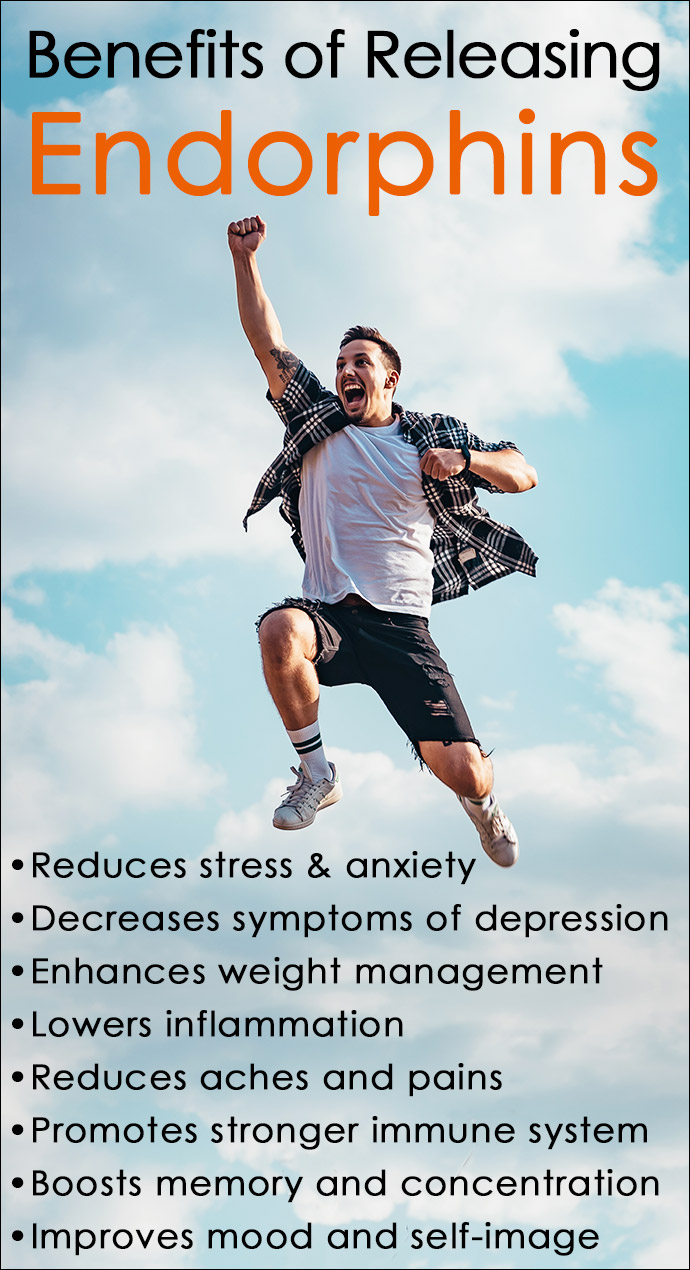
A Shield Against Anxiety: In our fast-paced, often overwhelming modern world, anxiety has become a pervasive companion for many. Endorphins serve as a crucial antidote. When we engage in activities that trigger their release, they act as natural tranquilizers, dampening the activity of the amygdala (the brain’s fear center) and reducing the physiological symptoms of anxiety. They help to lower levels of stress hormones like cortisol and adrenaline, breaking the vicious cycle of chronic stress that can wreak havoc on both mind and body. The sustained sense of calm that follows an endorphin surge isn’t just temporary; regular activation helps build a stronger, more resilient nervous system, better equipped to handle daily stressors without spiraling into panic or worry.
A Beacon in the Dark: Alleviating Depression: While endorphins are not a cure for clinical depression, their role as natural mood elevators makes them a powerful adjunctive therapy. Depression often involves a complex interplay of neurochemical imbalances, and a deficiency in feel-good neurotransmitters can exacerbate symptoms. By boosting serotonin, dopamine, and norepinephrine levels, in addition to their direct euphoric effects, endorphins can help lift the veil of sadness and apathy. For individuals struggling with mild to moderate depression, or those seeking complementary approaches to conventional treatment, engaging in endorphin-boosting activities can provide a much-needed internal lift, improving sleep, appetite, and energy levels – all factors that are often severely compromised during depressive episodes. The consistency of these activities becomes a deliberate act of self-care, a conscious effort to recalibrate the brain’s emotional thermostat.
Building Emotional Resilience: Perhaps one of the most significant, yet often overlooked, benefits of consistent endorphin release is the cultivation of emotional resilience. Each time we push through a physical challenge, share a hearty laugh, or connect deeply with another human being, we’re not just experiencing a momentary high. We’re training our brain to associate effort, joy, and connection with reward. This repeated positive reinforcement strengthens neural pathways that promote optimism, adaptability, and a greater capacity to bounce back from adversity. It’s an internal feedback loop that says, "You are capable, you are strong, and joy is always accessible."
Nature’s Analgesic: The Endorphin Pain Relief System
The historical search for effective pain relief has driven much of medical science, from ancient herbal remedies to modern pharmaceuticals. Yet, our bodies possess an inherent, sophisticated pain management system, with endorphins at its core. Their capacity to block pain signals is not just a fascinating biological quirk; it’s a profound mechanism that has ensured our survival and continues to offer hope for those suffering from chronic pain.
Acute Pain: The Emergency Response: When we experience acute pain – a sudden injury, a burn, or a traumatic event – the body’s immediate response is often a rush of adrenaline, but also a surge of endorphins. This natural analgesic effect is critical. It allows us to function, to escape danger, or to endure a necessary medical procedure. Consider a soldier wounded in battle who continues to fight, or a mother in labor enduring intense contractions. In these moments, the body’s internal pharmacy kicks in, dulling the sharp edges of pain, providing a temporary window of increased tolerance and focus. This isn’t to say the pain isn’t real, but its perceived intensity is significantly mitigated, allowing for crucial actions.
Chronic Pain: A Path to Mitigation: The application of endorphin science to chronic pain management is particularly exciting. Conditions like fibromyalgia, arthritis, back pain, and migraines can be debilitating, often leading to a cycle of reduced activity, increased pain, and emotional distress. While external pain medications can offer relief, they often come with side effects and the risk of dependence. Endorphin-boosting activities offer a natural, empowering alternative or complement.
Regular, moderate exercise, for instance, can significantly reduce the perception of chronic pain. It’s a paradox for many: moving when you hurt seems counterintuitive. But the sustained release of endorphins during physical activity creates an analgesic effect that can last for hours after the activity ceases. Moreover, the improved mood, better sleep, and reduced stress that accompany an endorphin-rich lifestyle further contribute to a holistic reduction in pain experience. Laughter therapy, acupuncture (which is believed to stimulate endorphin release), and even practices like meditation and mindfulness can all tap into this innate pain-relief system, offering individuals tools to manage their pain more effectively and reclaim a sense of control over their bodies.
The Health Ripple Effect: Beyond Immediate Gratification
The influence of endorphins extends far beyond mood elevation and pain relief, creating a positive ripple effect throughout our entire physiological system. This makes an endorphin-rich lifestyle a powerful strategy for overall health optimization.
Bolstering the Immune System: The intricate link between mind and body is nowhere more evident than in the immune system. Chronic stress, anxiety, and depression are known to suppress immune function, leaving us more vulnerable to illness. By reducing stress hormones and promoting a positive emotional state, endorphins indirectly bolster our immune defenses. A robust immune system is better equipped to fight off infections, repair cellular damage, and maintain overall health. Some research even suggests a more direct link, where endorphins may modulate immune cell activity, further enhancing our body’s protective mechanisms.
The Sweet Embrace of Sleep: For millions, a good night’s sleep remains an elusive dream. Pain, anxiety, and stress are major culprits in sleep disturbances. Endorphin-boosting activities can dramatically improve sleep quality. By reducing pain, calming an overactive mind, and promoting relaxation, endorphins help us fall asleep more easily and achieve deeper, more restorative sleep cycles. This, in turn, has a cascading effect: improved sleep enhances mood, boosts energy, aids cognitive function, and further strengthens the immune system – a virtuous cycle of well-being.
Sharpening the Mind: Cognitive Enhancement: The brain, our command center, also benefits significantly from an endorphin surge. When we are less stressed, less anxious, and experiencing less pain, our cognitive faculties operate more efficiently. Endorphins contribute to improved focus, enhanced memory, and better problem-solving abilities. The clarity of thought that often follows a good workout or a session of deep laughter is not just a feeling; it’s a physiological reality. Moreover, physical activity, a major endorphin trigger, is known to promote neurogenesis – the growth of new brain cells – particularly in areas associated with learning and memory.
Managing Cravings and Addictions: While a complex topic, endorphins play a role in the brain’s reward system, which is intimately involved in addiction. The natural "high" provided by endorphins can, for some, serve as a healthier alternative to the artificial highs sought through addictive substances or behaviors. By providing a natural source of pleasure and reward, endorphin-boosting activities can help rewire the brain’s reward pathways, making healthier behaviors more appealing and reducing the pull of destructive cravings. This is why exercise is often a crucial component of addiction recovery programs.
Unleashing Your Inner Pharmacy: Practical Pathways to Endorphin Release
The beauty of endorphins lies in their accessibility. We don’t need a prescription; we simply need to engage in specific activities that our bodies are wired to respond to. Here are some of the most potent and practical ways to unlock your inner pharmacy:
-
Exercise: The Gold Standard: This is the most widely recognized and scientifically supported method.
- Aerobic Activity: Running, swimming, cycling, brisk walking, dancing – anything that gets your heart rate up and sustains it for at least 20-30 minutes. The intensity matters; you should feel challenged but not completely exhausted.