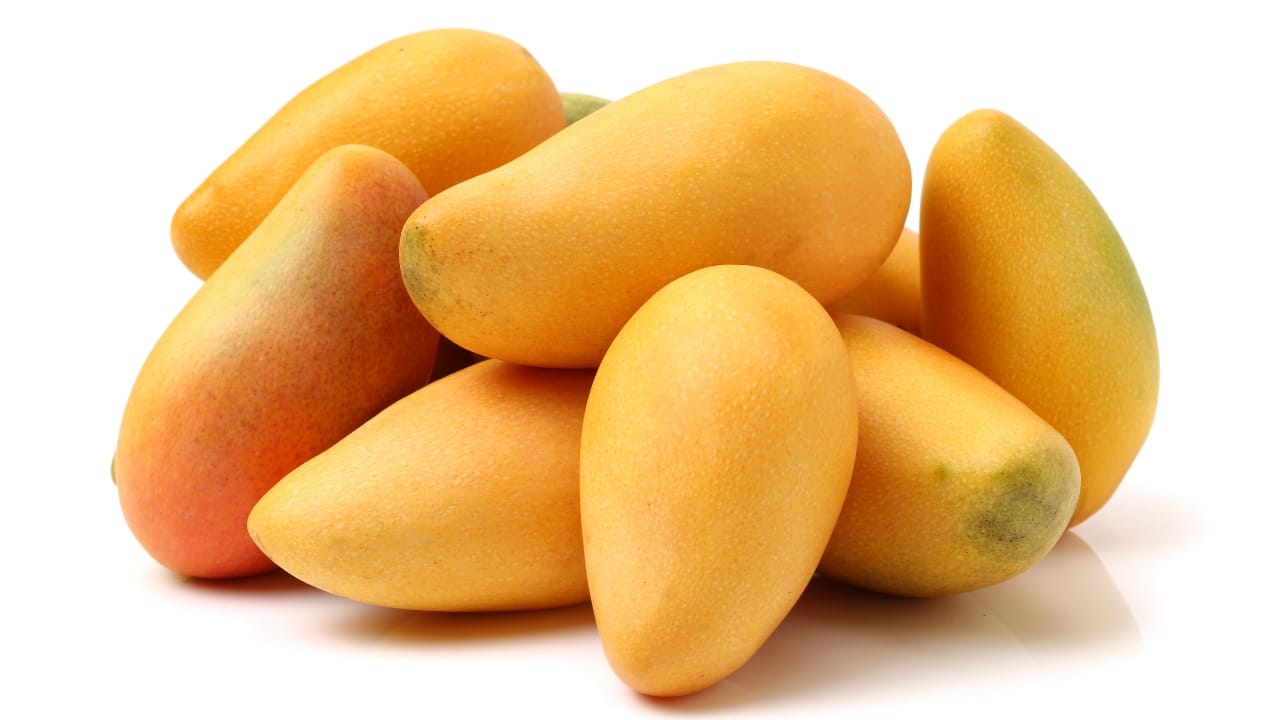
In the grand tapestry of nature, where every hue and flavor tells a story, few fruits captivate the senses quite like the mango. With its vibrant skin, succulent flesh, and intoxicating aroma, the mango is more than just a tropical delight; it is a profound testament to nature’s pharmacy, a living repository of compounds engineered to sustain life and ward off unseen threats. Beyond its undeniable deliciousness, the mango, often crowned the "King of Fruits," harbors a formidable secret: it is an antioxidant powerhouse, a crucial ally in our body’s perpetual battle against oxidative stress, a silent war waged at the cellular level that profoundly impacts our health and longevity.
To truly appreciate the mango’s prowess, we must first understand the enemy it so valiantly combats. Oxidative stress is not a disease in itself, but rather a state of imbalance, a cellular disturbance that underpins a vast array of chronic conditions, from cardiovascular disease and cancer to neurodegenerative disorders and the very process of aging. Imagine your body’s cells as intricate machinery, constantly performing vital functions. In the course of these operations, and in response to external aggressors, highly reactive molecules known as "free radicals" are generated. These free radicals are inherently unstable, possessing an unpaired electron that drives them to seek out and steal electrons from other molecules, initiating a destructive chain reaction that can damage DNA, proteins, and cell membranes.
Think of it like rust forming on metal, or a wildfire spreading through a forest. A few sparks are manageable, but an unchecked conflagration can devastate. In our bodies, this cellular "rust" can lead to widespread dysfunction. Our bodies are equipped with their own endogenous antioxidant defense systems – enzymes like superoxide dismutase (SOD), catalase, and glutathione peroxidase – designed to neutralize these free radicals. However, when the production of free radicals overwhelms the body’s capacity to neutralize them, the delicate balance tips, and oxidative stress takes hold.
The sources of these cellular aggressors are ubiquitous. Internally, metabolic processes like respiration generate reactive oxygen species (ROS) as byproducts. Externally, we are constantly bombarded by environmental toxins: pollution, cigarette smoke, industrial chemicals, UV radiation, certain medications, and even chronic psychological stress can all contribute to the free radical burden. A diet lacking in nutrient-dense foods, particularly those rich in antioxidants, further exacerbates this vulnerability, leaving our cellular defenses depleted and our bodies susceptible to the ravages of oxidative damage.
This is where the mango steps onto the battlefield, not as a single hero, but as an entire army, a symphony of bioactive compounds working in concert to disarm free radicals and restore cellular harmony. The mango’s vibrant colors, its unique flavor profile, and its very resilience are all clues to the rich array of phytochemicals nestled within its golden flesh.
The Mango’s Arsenal: A Symphony of Antioxidants
The mango’s antioxidant power stems from its incredibly diverse phytochemical profile. It’s not just one magic bullet, but a complex interplay of vitamins, carotenoids, and, most significantly, an impressive spectrum of polyphenols.
-
Polyphenols: The Master Architects of Defense
Polyphenols are a vast group of plant-derived compounds renowned for their antioxidant and anti-inflammatory properties. Mangoes are particularly rich in several key classes:- Mangiferin: This is arguably the star player in the mango’s antioxidant team, a unique C-glucosyl xanthone found abundantly in mangoes, particularly in the peel and seed, but also present in significant amounts in the pulp. Unlike many other polyphenols, mangiferin is incredibly stable and highly bioavailable. Its antioxidant power is exceptional, directly scavenging free radicals, chelating metal ions (which can catalyze free radical formation), and enhancing the activity of endogenous antioxidant enzymes. Research suggests mangiferin offers neuroprotective, cardioprotective, antidiabetic, and even anti-cancer benefits, largely through its ability to mitigate oxidative stress and inflammation. It’s a true multi-faceted defender.
- Gallo-tannins and Gallic Acid: Mangoes, especially less ripe varieties, are rich in gallo-tannins, complex polyphenols that break down into gallic acid. Both gallo-tannins and gallic acid are potent antioxidants, capable of neutralizing free radicals and exhibiting strong anti-inflammatory effects. They contribute to the slightly astringent taste of some mango varieties and are particularly concentrated in the peel and just beneath it.
- Quercetin: A widely recognized flavonoid, quercetin is present in mangoes and contributes significantly to its antioxidant capacity. Quercetin is known for its ability to scavenge various free radicals, inhibit lipid peroxidation, and regulate immune responses, thereby reducing inflammation linked to oxidative stress.
- Catechins: These flavonoids, also found in green tea, are present in mangoes and contribute to their overall antioxidant profile. Catechins are powerful radical scavengers and have been associated with improved cardiovascular health.
- Anthocyanins: While less prominent than in berries, some red-skinned mango varieties contain anthocyanins, pigments known for their strong antioxidant and anti-inflammatory properties.
-
Carotenoids: Nature’s Golden Protectors
The vibrant yellow and orange hues of mango flesh are a clear indicator of its rich carotenoid content. These lipid-soluble pigments are powerful antioxidants, particularly effective at neutralizing singlet oxygen, a highly reactive form of oxygen.- Beta-carotene: The most abundant carotenoid in mangoes, beta-carotene is a precursor to Vitamin A, essential for vision, immune function, and skin health. As an antioxidant, it protects cell membranes from oxidative damage.
- Lutein and Zeaxanthin: These two carotenoids are particularly important for eye health, accumulating in the macula of the retina where they filter harmful blue light and protect against oxidative stress, reducing the risk of age-related macular degeneration.
-
Vitamins: Essential Micronutrient Allies