The sun-drenched days of summer, the vibrant hues of a tropical paradise, the intoxicating aroma that signals pure indulgence – for many, these sensory delights coalesce into one perfect fruit: the mango. It’s a global superstar, celebrated from bustling street markets in Mumbai to gourmet kitchens in Paris, a juicy emblem of sweetness and vitality. But beneath its blushing skin and silky flesh lies a story far richer and more profound than most realize. The mango, often simply enjoyed for its deliciousness, is a repository of ancient wisdom, astounding biodiversity, and a nutritional powerhouse with secrets that have shaped cultures, healed bodies, and continue to inspire scientific inquiry.
For the discerning palate and the curious mind, the mango is not just a fruit; it is a narrative unfolding across millennia, a testament to nature’s generosity and complexity. As we peel back the layers of its sweet, golden flesh, we discover not just a treat for the taste buds, but a treasure trove of hidden depths. Prepare to embark on a journey of discovery, to uncover the "secretly healthy" truths and astonishing anecdotes embedded within the very essence of the mango. Here are ten facts that will transform your appreciation for this magnificent fruit, revealing it as a sweet, succulent, and surprisingly sophisticated ally in our pursuit of well-being.
The Epic Saga of the Mango: A Journey Through Time, Culture, and Unseen Powers
1. The Mango’s Ancient Origins and Royal Lineage: A Fruit Worshipped by Gods and Kings
Our story begins not in a modern orchard, but in the dense, fertile rainforests of Northeast India, Myanmar, and Bangladesh, some 4,000 to 6,000 years ago. This is where Mangifera indica, the common mango, first took root, not as a cultivated crop, but as a wild, abundant species. It wasn’t long, however, before its unparalleled sweetness and vibrant flavor captured the attention of early human inhabitants. The mango quickly transcended its status as mere sustenance, evolving into a revered symbol woven into the very fabric of ancient Indian culture.
In Hindu mythology, the mango tree is considered sacred, often associated with love, fertility, and prosperity. Legend has it that the goddess Parvati created the mango tree to restore her husband Shiva’s virility. Lord Buddha himself was said to have been presented with a mango grove where he meditated, finding solace and enlightenment under its shade. This sacred connection is still evident today, with mango leaves and fruits playing integral roles in religious ceremonies, weddings, and festivals, symbolizing good fortune and abundance. Ancient texts, like the Vedas, speak of the mango’s esteemed position, and its cultivation was meticulously recorded, indicating its importance to early agrarian societies. From these humble yet sacred beginnings, the mango began its slow, deliberate march across continents, carried by intrepid traders and explorers, each journey adding another chapter to its royal lineage and global dominion. It wasn’t just a fruit; it was a cultural ambassador, a gift from the gods, destined to conquer palates worldwide.
2. The Mango’s Astonishing Genetic Diversity: A Kaleidoscope of Flavors and Nutrients
When we think of a mango, a specific image often comes to mind – perhaps the vibrant red blush of a Tommy Atkins or the golden hue of an Ataulfo. Yet, to confine the mango to a single archetype is to overlook its breathtaking genetic diversity. There are over 1,000 known varieties of mango cultivated globally, each a unique masterpiece of nature’s artistry, boasting distinct sizes, shapes, colors, textures, and, most importantly, flavor profiles. From the intensely sweet, buttery Alphonso of India, often hailed as the "King of Mangoes," to the fibrous, tart varieties prized in Southeast Asian savory dishes, the spectrum is astonishing.
This immense biodiversity is not merely a culinary curiosity; it holds a "secretly healthy" dimension. Different mango varieties possess varying concentrations of vitamins, minerals, antioxidants, and unique phytonutrients. While one might be exceptionally rich in beta-carotene (the precursor to Vitamin A), another might excel in its Vitamin C content, or harbor a higher concentration of a specific polyphenol like mangiferin. This genetic wealth ensures a broader intake of beneficial compounds for those who explore beyond the familiar. It’s a testament to thousands of years of natural selection and human cultivation, adapting the fruit to diverse climates and palates, ensuring that every bite offers a subtly different symphony of taste and a unique boost of wellness. To truly appreciate the mango is to embrace its kaleidoscopic nature, understanding that each variety offers a fresh perspective on its incredible nutritional bounty.
3. More Than Just Fruit: The Mango’s Holistic Legacy in Traditional Medicine
While the sweet flesh of the mango is its most celebrated asset, traditional cultures, particularly in India through Ayurveda, have long recognized the profound medicinal properties of the entire mango tree. Every part – the leaves, bark, flowers, seeds, and even the unripe fruit – has been utilized for centuries in various remedies, transforming the mango from a mere fruit into a comprehensive pharmacy of nature.
Mango leaves, for instance, are traditionally boiled and consumed as a decoction to help manage diabetes, thanks to compounds like mangiferin that may aid in glucose regulation. They are also used to treat fever, respiratory issues like asthma, and even dysentery. The bark of the mango tree is known for its astringent properties, historically used to treat diarrhea and hemorrhages. Mango seeds, often discarded in modern consumption, are dried and powdered to combat intestinal worms and are believed to help with indigestion and dysentery. Even the unripe fruit, with its sour tang, is pickled and used to stimulate digestion and alleviate morning sickness. This holistic approach underscores a deep-rooted understanding of the plant’s bioactive compounds long before modern science could identify them. It’s a powerful reminder that nature’s gifts often extend far beyond their most obvious forms, offering a secret arsenal of health benefits waiting to be rediscovered and re-evaluated through contemporary scientific lenses.
4. The Vitamin C Champion: A Burst of Immunity in Every Bite
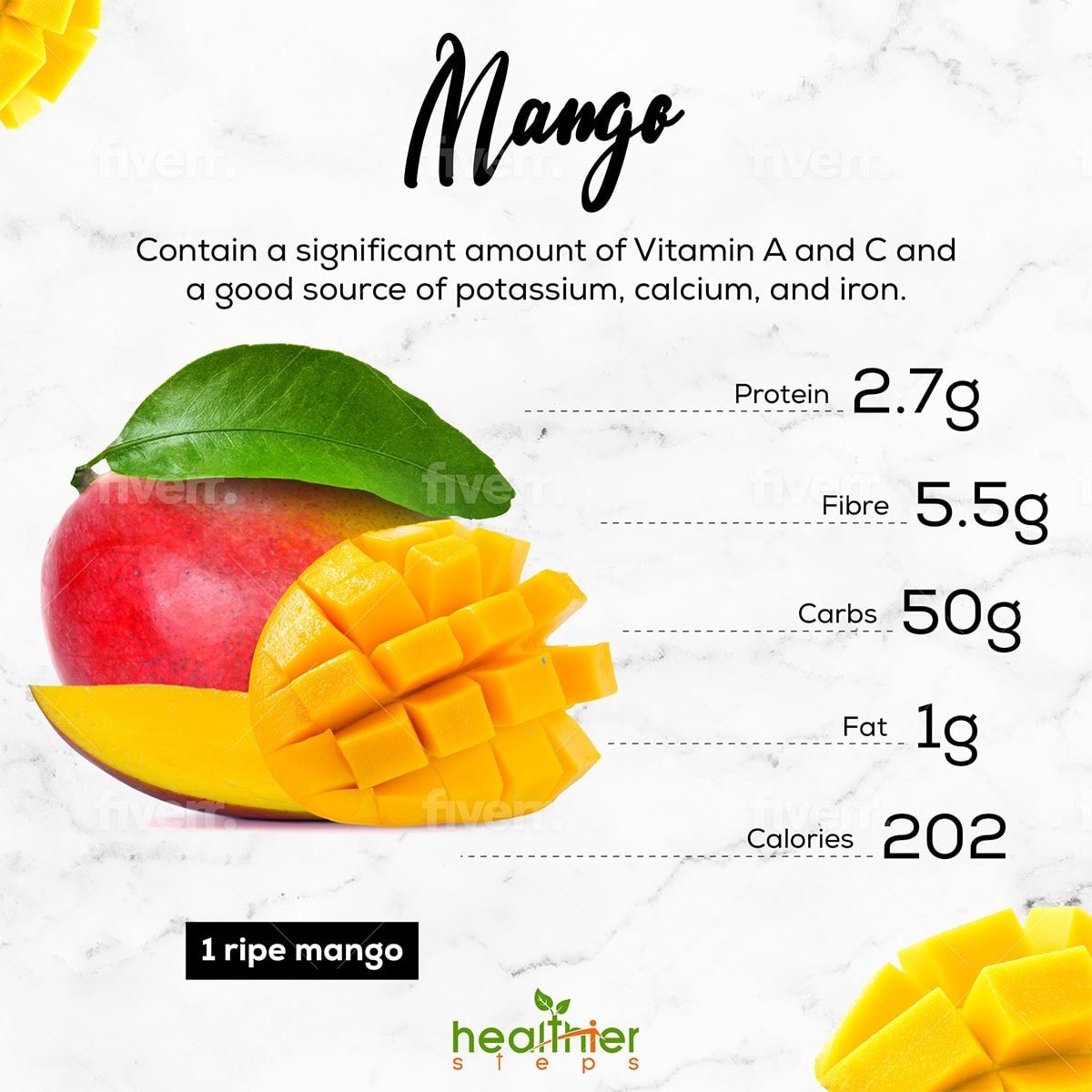
In the realm of essential nutrients, Vitamin C reigns supreme as a formidable ally for our immune system, a potent antioxidant, and a crucial component for overall vitality. And in this arena, the mango stands as a true champion. Just one cup (approximately 165 grams) of sliced mango provides nearly 100% of the daily recommended intake of Vitamin C for adults. This isn’t just a good source; it’s an exceptional one, often surpassing oranges and other citrus fruits in its sheer concentration.
But Vitamin C’s role extends far beyond merely warding off the common cold. It’s indispensable for the synthesis of collagen, the primary structural protein in our skin, bones, tendons, and blood vessels, playing a vital role in wound healing and maintaining youthful skin elasticity. Furthermore, Vitamin C significantly enhances the absorption of non-heme iron (iron from plant-based sources), making mango an excellent companion for vegetarian and vegan diets to prevent iron deficiency. As a powerful antioxidant, it neutralizes harmful free radicals that contribute to cellular damage and chronic diseases, acting as a shield against oxidative stress. So, the next time you bite into a juicy mango, remember you’re not just enjoying a sweet treat; you’re arming your body with a potent, natural defense system, fortifying your health from the inside out.
5. A Visionary Fruit: Beta-Carotene and the Gift of Clear Sight
The vibrant, sun-kissed hue of a ripe mango isn’t just visually appealing; it’s a direct indicator of one of its most "secretly healthy" and vital compounds: beta-carotene. This powerful pigment is a precursor to Vitamin A, an indispensable nutrient for maintaining healthy vision, particularly in low light conditions. Just one serving of mango provides a significant portion of your daily Vitamin A needs, making it an excellent natural prescription for eye health.
Vitamin A plays a crucial role in the formation of rhodopsin, a protein found in the retina that converts light into electrical signals sent to the brain, enabling us to see. Beyond improving night vision, the antioxidants present in mangoes, including beta-carotene and other carotenoids like lutein and zeaxanthin, act as internal sunglasses, protecting the eyes from the damaging effects of blue light and harmful UV rays. These compounds accumulate in the macula of the eye, helping to filter out high-energy light and reducing the risk of age-related macular degeneration (AMD), a leading cause of vision loss in older adults. Thus, enjoying mangoes regularly is a delicious way to nourish your eyes, preserve their acuity, and potentially safeguard them against future degradation, proving that this sweet fruit truly offers a visionary approach to health.
6. The Gut’s Best Friend: Fiber and the Symphony of Digestive Harmony
In the intricate ecosystem of our bodies, the gut stands as a crucial hub for overall health, influencing everything from immunity to mood. And for a healthy gut, fiber is paramount. The mango, with its luscious flesh, is an excellent source of dietary fiber, offering a harmonious blend of both soluble and insoluble types, making it a "secretly healthy" ally for digestive wellness.
Insoluble fiber acts as a natural broom, adding bulk to stool and facilitating its smooth passage through the digestive tract, preventing constipation and promoting regularity. This mechanical action is vital for maintaining a clean and efficient digestive system. Soluble fiber, on the other hand, dissolves in water to form a gel-like substance. This slows down digestion, helping to stabilize blood sugar levels by regulating glucose absorption and contributing to a feeling of fullness, which can aid in weight management. Furthermore, soluble fiber acts as a prebiotic, feeding the beneficial bacteria in our gut microbiome. A thriving gut microbiome is linked to improved nutrient absorption, enhanced immune function, and even better mental health. Studies have also suggested that mangoes, beyond their general fiber content, may have specific anti-inflammatory effects in the gut. So, by regularly incorporating mangoes into your diet, you’re not just enjoying a sweet treat; you’re nurturing a flourishing internal garden, ensuring that your digestive system operates like a well-tuned orchestra, contributing to your holistic well-being.
7. Beyond the Usual Suspects: Unique Bioactive Compounds for Deeper Health
While the presence of common vitamins and minerals in mangoes is impressive, its "secretly healthy" power truly lies in a rich tapestry of unique bioactive compounds, particularly polyphenols and xanthones, which contribute to its profound health benefits. Among these, mangiferin stands out as a superstar, a potent xanthone found in various parts of the mango tree, especially the skin and flesh.
Mangiferin is a powerhouse antioxidant, significantly more potent than many commonly known antioxidants. Its scientific investigation has revealed a remarkable array of therapeutic properties: it’s anti-inflammatory, anti-diabetic (showing promise in regulating blood glucose), anti-viral, and even anti-cancer, with studies exploring its potential in inhibiting the growth of various cancer cells. But mangiferin is not alone. Mangoes also contain other powerful polyphenols like quercetin, gallic acid, isoquercetin, and fisetin. Quercetin, for example, is a well-known flavonoid with strong anti-inflammatory and antihistamine properties. Gallic acid is a phenolic acid with antioxidant and anti-inflammatory effects. Fisetin, another flavonoid, has gained attention for its potential neuroprotective and anti-aging properties. This complex symphony of compounds works synergistically, amplifying their individual benefits and contributing to the mango’s ability to combat oxidative stress, reduce inflammation, and potentially protect against chronic diseases, making it far more than just a source of vitamins – it’s a sophisticated botanical medicine chest.
8. A Natural Sugar Manager? The Mango’s Surprising Role in Glycemic Control
At first glance, the luscious sweetness of a ripe mango might lead one to believe it’s a sugar bomb, particularly for those monitoring blood glucose levels. However, this perception overlooks a "secretly healthy" aspect of the mango: its moderate glycemic index (GI) and its potential role in natural sugar management. While it does contain natural sugars (fructose, glucose, sucrose), the mango’s rich fiber content, along with its unique blend of bioactive compounds, significantly influences how these sugars are absorbed and metabolized by the body.
Unlike refined sugars that cause rapid spikes in blood glucose, the fiber in mangoes slows down the absorption of sugars into the bloodstream, leading to a more gradual and sustained release of energy. This helps prevent sudden peaks and crashes, contributing to better blood sugar control. Furthermore, emerging research suggests that specific polyphenols in mango, particularly mangiferin, may play a direct role in glucose metabolism. Studies have shown that mango consumption, in moderation, does not significantly worsen blood glucose levels in healthy individuals and may even have beneficial effects. For instance, some research indicates that mango consumption can improve glucose and insulin regulation. Of course, portion control is key, especially for individuals with diabetes, but the notion that mangoes are simply "bad" due to their sweetness is a simplification. Its natural packaging of fiber and phytonutrients makes it a far more complex and potentially beneficial food for metabolic health than many processed sugary alternatives.
9. The Skin-Deep Secret: Mango and the Glow of Natural Radiance
Beyond its internal health benefits, the mango holds a "secretly healthy" power that manifests externally: its ability to promote vibrant, healthy skin. This isn’t just anecdotal; it’s rooted in the fruit’s rich nutritional profile, making it a natural ally in your quest for a radiant complexion.