The human heart, a marvel of biological engineering, beats not just with blood but with an intricate symphony of emotions, desires, and connections. At the very core of our capacity for love, intimacy, and attachment lies a molecule often hailed as the "cuddle hormone," the "love drug," or the "moral molecule": oxytocin. Its mere mention conjures images of blissful newborns nestled against their mothers, lovers gazing into each other’s eyes, or friends sharing a moment of profound understanding. It is, undoubtedly, a cornerstone of our social existence, a chemical key that unlocks the deepest vaults of human connection.
Yet, like any powerful force, oxytocin is a double-edged sword. Its benevolent embrace can, under certain circumstances, transform into a suffocating grip, leading to what we might conceptually understand as "oxytocin overload." This isn’t a literal physiological overdose in the common sense, but rather a complex interplay of its effects that, when unchecked or misunderstood, can contribute to insecurity, enmeshment, jealousy, and a fragile dependence that undermines the very foundations of healthy, resilient couple bonding. To truly appreciate the story of love, we must move beyond the simplistic narrative of a feel-good chemical and delve into the nuanced, sometimes challenging, realities of its influence.
The Miracle Molecule: Oxytocin’s Foundational Role in Bonding
Our journey into the world of oxytocin begins with its remarkable biological underpinnings and its undeniable role in forging the most fundamental human bonds. Synthesized in the hypothalamus and released by the posterior pituitary gland, oxoxytocin acts as both a neurotransmitter in the brain and a hormone in the body. Its receptors are widespread, concentrated in areas critical for social behavior, emotion, and reward, such as the amygdala (fear and emotion processing), the nucleus accumbens (reward and motivation), and the prefrontal cortex (decision-making and social cognition). This widespread distribution hints at its multifaceted impact on our internal landscape and external interactions.
The first, and perhaps most profound, demonstration of oxytocin’s power is in the sacred bond between mother and infant. During childbirth, a surge of oxytocin not only facilitates uterine contractions but also triggers a cascade of maternal behaviors, promoting bonding, nurturing, and protection. Skin-to-skin contact, breastfeeding—all these primal acts are rich in oxytocin release, cementing an attachment that is vital for the infant’s survival and development. These early experiences, modulated by oxytocin, lay the groundwork for an individual’s attachment style – secure, anxious, or avoidant – which will profoundly shape their future relationships. A secure attachment, fostered by consistent, responsive care, is often associated with optimal oxytocin regulation, allowing for both connection and healthy independence.
As we mature, oxytocin continues its work, orchestrating the complex dance of romantic love and pair bonding. In the initial intoxicating stages of attraction, oxytocin interacts with the brain’s reward system, particularly dopamine. This synergy creates the exhilarating "love high," a potent cocktail that drives us to seek proximity, touch, and connection with our chosen partner. Eye contact, a tender touch, a shared laugh, sex – all these intimate acts trigger the release of oxytocin, deepening feelings of trust, empathy, and emotional closeness. This chemical embrace helps us to lower our guard, to feel safe enough to be vulnerable, and to perceive our partner in a more positive light, often overlooking minor flaws in what is known as "positive illusion."
The famous prairie vole studies offer a compelling, albeit simplified, glimpse into oxytocin’s role in monogamy. Unlike their promiscuous cousins, meadow voles, prairie voles form lifelong pair bonds. This difference, scientists discovered, largely hinges on the distribution and density of oxytocin receptors in their brains. When oxytocin is administered to prairie voles, they form bonds more readily; when its effects are blocked, pair bonding is inhibited. While humans are far more complex than voles, these studies underscore the profound biological architecture underpinning our drive to form lasting, exclusive attachments. Oxytocin helps solidify these bonds, making us feel protective, committed, and deeply connected to our partner, often fostering a sense of "us against the world."
The Double-Edged Sword: When More Isn’t Always Better
The narrative of oxytocin as solely a benevolent "love drug" is, however, incomplete. The very power that makes it so effective in forging bonds can, under certain conditions, become a source of distress, creating what we’ve termed "oxytocin overload." This isn’t about an actual excess of the molecule circulating in the bloodstream (though synthetic oxytocin, like Pitocin, used in labor, does have specific physiological effects). Instead, it refers to a dysregulation or misinterpretation of its effects, or an overreliance on its pleasurable aspects without the development of other crucial relational skills. It’s a conceptual framework for understanding how the pursuit of intense connection can inadvertently lead to unhealthy patterns.
One of the most insidious aspects of oxytocin’s dark side is its potential to exacerbate insecurity and jealousy. Oxytocin enhances social salience, meaning it makes us more attuned to social cues and the emotional states of others. While this can foster empathy and understanding, it can also amplify anxieties. For individuals with an anxious attachment style, oxytocin can heighten their vigilance for signs of rejection or abandonment. They might interpret benign actions from their partner (e.g., needing space, being distracted) as threats to the bond, leading to increased clinging, demanding reassurance, or even accusations. The desire for connection, fueled by oxytocin, becomes desperate and overwhelming, triggering a cycle of insecurity that ironically pushes the partner away.
Furthermore, oxytocin is known to promote "in-group/out-group" biases. While it fosters trust and bonding within a specific group (the couple), it can simultaneously increase suspicion or even hostility towards perceived threats or outsiders. In a relationship, this can manifest as intense jealousy. A partner who experiences an "oxytocin overload" might become hyper-focused on any perceived rival or external interest, viewing friends, colleagues, or even family members as threats to the exclusive bond. This insular focus, driven by a desire to protect the intense connection, can lead to controlling behaviors and isolation, ultimately suffocating the relationship.
The concept of addiction offers another lens through which to view oxytocin overload. The "love high" is undeniably potent, interacting with the brain’s reward system in ways that mirror addictive substances. The constant seeking of the partner’s presence, touch, and validation can become a compulsive behavior, creating a dependence that leaves one vulnerable to intense "withdrawal symptoms" during separation or conflict. The pain of a breakup, often described as physical agony, is a testament to the powerful neurochemical shifts that occur when these intense bonds are severed. Couples can get caught in a cycle of chasing the initial rush, believing that true love must always feel like the honeymoon phase, leading to disappointment and a constant yearning for an unsustainable intensity.
Blurred boundaries and enmeshment are also common symptoms of oxytocin overload. When the desire for profound connection eclipses the need for individual identity, partners can lose themselves in the relationship. This over-identification means that one’s self-worth, happiness, and even opinions become inextricably linked to the partner. The discomfort of individuation – pursuing separate hobbies, maintaining individual friendships, or simply having differing views – can be perceived as a threat to the bond, leading to guilt, resentment, and a fear of autonomy. Co-dependency, where one relies excessively on the partner for emotional regulation and self-esteem, becomes a pervasive dynamic, driven by the intense, almost compulsive need for the oxytocin-fueled connection.
Finally, oxytocin’s context-dependent effects mean that it can facilitate negative social behaviors under specific circumstances. While it promotes trust and cooperation within a trusted circle, it can also enhance biases and groupthink. In a couple, this might manifest as reinforcing each other’s negative views of others, isolating themselves from external input, or making poor decisions based on an insular, unquestioning bond. The "us against the world" mentality, taken to an extreme, can hinder personal growth and healthy adaptation to external realities.
The Narrative of a Couple: Navigating Oxytocin’s Currents
To truly grasp the concept of oxytocin overload, let’s consider the story of Alex and Ben, a couple whose journey illustrates the complex interplay of this powerful hormone and the challenges of sustaining a healthy bond.
Phase 1: The Honeymoon Glow
Alex and Ben met at a mutual friend’s party. Their connection was immediate and electric. Long conversations flowed effortlessly, their eyes lingered, and their hands instinctively sought each other out. Their first few months were a blur of intense affection, shared laughter, and profound intimacy. Every touch, every kiss, every moment of vulnerability flooded their brains with oxytocin, reinforcing their nascent bond. "I’ve never felt this understood," Alex confided in Ben, her heart swelling with a feeling she was convinced was destiny. Ben, equally smitten, felt a sense of belonging he hadn’t experienced before. They spent every spare moment together, creating an almost impenetrable bubble around themselves. This was the "love high," potent and intoxicating, a testament to oxytocin’s incredible power to forge connection. They believed they had found "the one," and the intensity of their feelings became the benchmark for their love.
Phase 2: The Subtle Shifts
As the initial rush of new love began to gently subside, a more comfortable, deeper affection settled in. They still loved each other fiercely, but the round-the-clock intensity naturally mellowed. Ben, an introvert by nature, occasionally needed an evening to himself to recharge, perhaps to read or work on a personal project. Alex, who had a history of anxious attachment, found these moments increasingly unsettling. While she understood his need for space intellectually, emotionally, a quiet alarm bell would ring. Her internal oxytocin levels, once soaring with constant proximity, now felt less consistently topped up, creating a vague sense of unease. She’d find herself sending a quick text, "Thinking of you!" or suggesting a spontaneous activity, hoping to re-establish the intense connection and quell the rising tide of insecurity. Ben, still deeply in love, tried to reassure her, but sometimes felt a subtle pressure he couldn’t quite articulate.
Phase 3: The "Overload" Scenario
The subtle shifts gradually escalated into a more problematic pattern, a conceptual "oxytocin overload" in action. Alex’s anxious attachment, now amplified by the powerful memory of their initial, constant connection, began to interpret Ben’s perfectly healthy need for individuation as rejection. When he went out with friends, she’d feel a gnawing anxiety, constantly checking her phone, imagining scenarios where he was having more fun without her, or worse, meeting someone new. She’d seek more physical reassurance – more hugs, more hand-holding, more declarations of love – hoping to trigger that powerful oxytocin release that temporarily soothed her fears.
The problem was, this wasn’t addressing the root of her insecurity. The momentary oxytocin surge would provide temporary relief, but her underlying anxiety would quickly return, demanding another "fix." This created a vicious cycle: the more insecure Alex felt, the more she clung, seeking that intense, constant connection. The more she clung, the more overwhelmed Ben felt, subtly retreating to create necessary boundaries. His attempts to communicate his need for space were met with Alex’s heightened distress, which she genuinely couldn’t control. "Why don’t you want to be with me?" she’d ask, tears welling, "Don’t you love me anymore?"
Ben, caught between his love for Alex and his need for personal space, felt guilty and misunderstood. He started to feel suffocated. The very acts that once brought them joy – a spontaneous cuddle, an evening spent together – now felt laden with expectation and anxiety for Alex, and a sense of obligation for Ben. Their relationship, once a source of boundless joy, became a battleground of unmet needs and misinterpretations. Alex wasn’t literally experiencing a chemical overdose, but the dysregulation of oxytocin’s effects on her behavior and perception, coupled with her attachment style, led her to over-rely on constant external validation to feel secure, rather than cultivating internal resilience. Their intense initial bond, instead of becoming a secure base, had turned into a fragile, demanding cage.
Achieving Balance: Harnessing Oxytocin for Healthy Bonding
The story of Alex and Ben, while fictional, mirrors the struggles many couples face. It highlights that the goal isn’t to diminish oxytocin’s role, but to understand its complexities and integrate its power into a broader, more conscious approach to love.
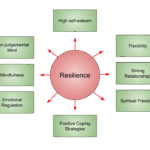
A. Beyond the "Love Drug": It’s crucial to recognize that oxytocin is a facilitator, not the sole architect of enduring love. Healthy relationships are built on a rich tapestry of neurochemicals and psychological processes. Dopamine drives motivation and reward, serotonin influences mood and well-being, vasopressin plays a key role in male bonding and territoriality, and endorphins contribute to feelings of comfort and pain relief. A holistic view acknowledges that while oxytocin initiates and deepens connection, other factors—such as shared values, mutual respect, effective communication, and individual growth—are equally vital for sustaining a resilient bond.
B. Cultivating Secure Attachment: For individuals like Alex, understanding one’s own attachment style and its triggers is the first step. Self-awareness allows for a conscious choice to respond differently to anxiety. This involves developing self-soothing techniques and recognizing that a partner’s need for space is not necessarily a rejection. For couples, fostering secure attachment means creating a dynamic where both partners feel safe, seen, and valued, while also respecting individual autonomy. This is built through consistent, reliable actions that build trust over time, not just through intense bursts of affection.
C. Intentional Connection, Not Just Reaction: Instead of reactively seeking intense connection out of anxiety, couples can cultivate mindful touch and intimacy. This means engaging in physical affection with presence and appreciation, rather than as a means to quell insecurity. Shared activities, laughter, and quality time that are genuinely enjoyed by both partners contribute to healthy oxytocin release without the pressure of needing to "fix" something. Learning emotional regulation skills is paramount. Instead of spiraling into anxiety or jealousy, individuals can learn to identify their feelings, communicate them constructively, and self-regulate without demanding their partner be solely responsible for their emotional well-being. This includes learning to tolerate discomfort and appreciate secure independence within the relationship.