The modern week is a relentless march. From the Monday morning alarm that shatters the weekend’s peace to the Friday evening sigh of relief, our days are often a blur of deadlines, demands, digital notifications, and the ceaseless hum of responsibilities. We navigate complex professional landscapes, manage households, raise families, and strive to keep pace with a world that never truly sleeps. By the time Friday evening rolls around, many of us arrive home as mere shells of our former selves – physically drained, mentally exhausted, and emotionally parched.
In the midst of this relentless pace, our most cherished relationships, particularly with our partners, can inadvertently suffer. Not from malice or neglect, but from the sheer absence of bandwidth. We might share the same living space, exchange transactional pleasantries, and even coordinate logistics, but the deeper, more resonant chords of connection often fall silent. The intimacy that nourishes and sustains a relationship can feel like a distant memory, replaced by a quiet drift that, if left unaddressed, can create a chasm far wider than any spoken disagreement.
For the knowledgeable audience, the challenge isn’t merely identifying this drift; it’s understanding the profound impact of chronic low-level stress and exhaustion on our capacity for connection. We know that authentic connection requires presence, vulnerability, and energy – commodities that are in scarce supply after a grueling week. Trying to "talk it out" when both partners are running on fumes can often backfire, leading to misinterpretations, irritability, or simply a feeling of further depletion. This is where the profound power of "speaking without words" comes into its own, offering a pathway to rekindle intimacy through gestures, presence, and non-verbal cues that resonate far deeper than any conversation could in a state of exhaustion.
The Silent Erosion: Why We Drift Apart (Without Even Realizing It)
Our default mode of communication in the modern world has become increasingly transactional. "Did you remember to pick up the dry cleaning?" "What time is dinner?" "Have you seen my keys?" These are necessary exchanges, but they are not the building blocks of intimacy. When combined with the mental load of professional life, the constant stream of information, and the ever-present hum of digital devices, our brains are often in a state of cognitive overload. By the time we cross the threshold of our homes, our prefrontal cortex – responsible for empathy, emotional regulation, and complex social interaction – is often running on fumes.
This exhaustion doesn’t just make us tired; it fundamentally alters our capacity for connection. Our patience wanes, our ability to actively listen diminishes, and our empathy circuits can feel temporarily offline. We might want to connect, to share, to feel close, but the energy required to initiate or sustain a meaningful verbal exchange simply isn’t there. This isn’t a failure of love; it’s a physiological response to sustained demand.
The insidious nature of this drift is that it’s often silent. There are no dramatic arguments, no overt acts of betrayal. Instead, it’s a slow, almost imperceptible widening of the gap. Partners might sit in the same room, yet inhabit different worlds, scrolling through separate feeds, lost in their own thoughts. The warmth of shared presence cools into mere co-existence. This isn’t a problem to be solved with a logical debate; it’s a void that needs to be filled with understanding, care, and a different kind of communication – one that bypasses the exhausted verbal centers and speaks directly to the heart and nervous system.
Redefining Intimacy: Beyond the Spoken Word
When we talk about intimacy, our minds often jump to sexual intimacy. While a vital and beautiful component of many relationships, it is but one facet of a much broader and deeper concept. For the purpose of reconnecting after a long week, we must expand our understanding of intimacy to encompass the emotional, physical (non-sexual), intellectual, and experiential bonds that weave the fabric of a shared life.
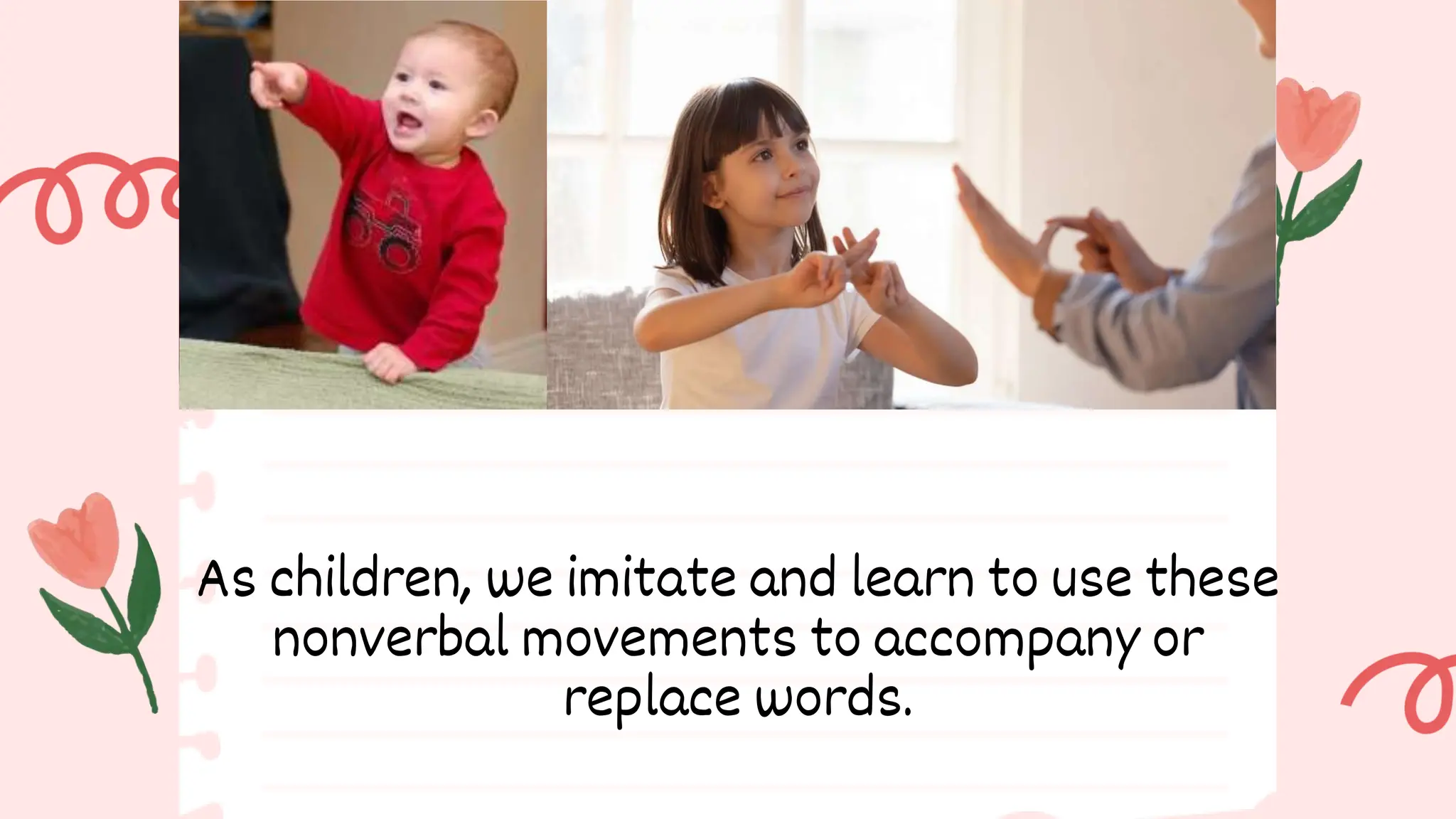
Intimacy, in its broadest sense, is about deep knowing and being known, a profound sense of connection, safety, and mutual vulnerability. It’s the feeling of being truly seen, understood, and accepted. When verbal channels are blocked by fatigue, we must lean into the more ancient, primal forms of connection that predate language itself. These non-verbal languages of intimacy speak directly to our limbic system, fostering a sense of safety, belonging, and emotional regulation.
Consider these five powerful non-verbal expressions of intimacy:
-
Physical Touch (Non-Sexual): This is perhaps the most immediate and potent form of non-verbal connection. A gentle hand on the back, a comforting hug that lasts a few seconds longer, holding hands while walking, a foot rub, or simply leaning against each other on the couch. These gestures release oxytocin, the "bonding hormone," reducing stress and fostering feelings of attachment and security. It’s a primal reassurance that "I am here, and you are not alone."
-
Shared Presence and Attention: In a world of constant distraction, offering your undivided attention is a radical act of love. This isn’t about solving problems or offering advice; it’s about being fully present. Making eye contact, truly listening with your body (even if words are scarce), putting away your phone, and simply "being" together in a shared space. It communicates: "You are important enough for me to set everything else aside."
-
Acts of Service and Care: These are the small, thoughtful gestures that demonstrate you understand your partner’s needs and burdens without them having to articulate them. Bringing them a cup of tea, running a bath, taking on a chore you know they’re dreading, or simply clearing their plate after a long day. These actions say: "I see your exhaustion, and I want to ease your load."
-
Shared Experience and Ritual: Creating and engaging in shared, often quiet, rituals can be incredibly bonding. Cooking a meal together (even if it’s just chopping vegetables side-by-side), watching a favorite show, taking a walk, reading in the same room, or having a quiet coffee together in the morning. These shared moments create a rhythm of togetherness, a narrative of "us" that transcends the daily grind.
-
Emotional Resonance and Empathy: This is the subtle art of picking up on your partner’s unspoken emotional state and responding in kind. Recognizing their sigh of relief, the slump of their shoulders, the tension in their jaw. It’s about mirroring their mood or offering the unspoken comfort they need. It communicates: "I feel what you feel, and I understand."
These forms of intimacy bypass the fatigued verbal processing centers and speak directly to our ancient, mammalian need for connection and safety. They are the quiet antidotes to the week’s noise and depletion.