Height, that seemingly simple measurement, is far more than just a number on a tape. It is a silent symphony, a complex interplay of genetics, nutrition, healthcare, and socio-economic realities that echoes through generations. For women, in particular, average height tells a nuanced story, reflecting societal progress, disparities, and the very fabric of human potential. This article embarks on a journey to unravel this story, exploring the average height of women in the U.S. and across the globe, delving deep into the factors that shape our stature, and contemplating what these inches and centimeters reveal about our past, present, and future.
The American Landscape: A Snapshot in Stature
To understand the average height of women in the United States, we turn to comprehensive national surveys, primarily the National Health and Nutrition Examination Survey (NHANES) conducted by the Centers for Disease Control and Prevention (CDC). These surveys provide a continuous, nationally representative picture of health and nutritional status among adults and children in the U.S.
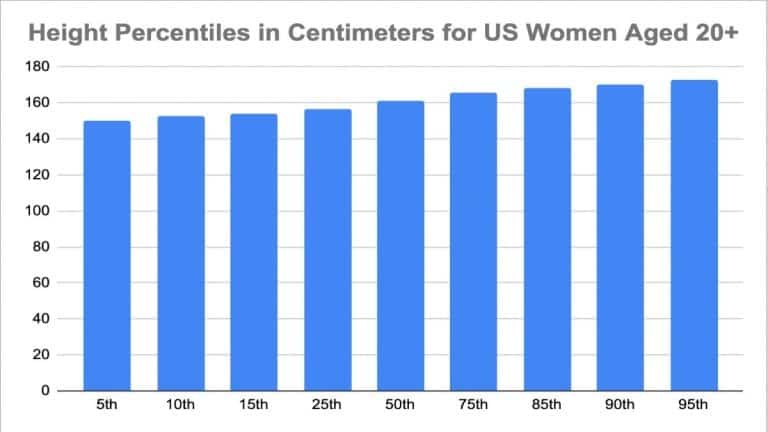
According to the most recent comprehensive data (typically pooling several years for robust statistics), the average height for adult women in the United States (aged 20 and over) hovers around 5 feet 4 inches (approximately 162.5 centimeters). This figure, however, is not a monolithic truth. It represents an average across a vast and diverse population, and unpacking it reveals fascinating layers.
Historical Trends in the U.S.:
Looking back, American women, like men, experienced a significant increase in height throughout the 20th century. This "secular trend" of increasing height was largely driven by improvements in nutrition, sanitation, and healthcare following the industrial revolution and two world wars. Children born into more affluent and hygienic environments with better access to food and medical care grew taller than their parents. However, this upward trajectory has largely plateaued in recent decades. Since the 1960s or 70s, the average height for American women has remained relatively stable, with only marginal increases, or even slight stagnation.
The American Paradox:
Despite being one of the wealthiest nations, the U.S. does not boast the tallest population globally. In fact, many European nations, particularly those in Scandinavia and the Netherlands, surpass the U.S. in average height. This phenomenon, sometimes referred to as the "American Paradox," is attributed to several factors:
- Dietary Quality vs. Quantity: While food is abundant in the U.S., the quality of the average American diet can be a concern. High consumption of processed foods, sugary drinks, and unhealthy fats, even if calorie-rich, may not provide the optimal micronutrients (vitamins and minerals) essential for peak growth during critical developmental stages.
- Healthcare Access and Disparities: Despite advanced medical technology, access to consistent, high-quality primary care and preventative health services can be uneven across socio-economic strata and racial/ethnic groups in the U.S. Early childhood illnesses and nutritional deficiencies, if not adequately addressed, can permanently impact growth.
- Sedentary Lifestyles: Increasingly sedentary lifestyles, coupled with rising rates of childhood obesity, can indirectly affect growth potential, though the direct links are still being researched.
- Immigration Patterns: The U.S. is a melting pot of cultures and ethnicities. Continuous immigration from regions where average heights are generally lower (due to a complex interplay of historical and socio-economic factors) can also influence the national average, preventing it from climbing as rapidly as in more ethnically homogenous nations with consistently high standards of living.
Internal Diversity:
Within the U.S., average height can also vary by:
- Ethnicity/Race: While genetics play a role, socio-economic factors often intertwine. For example, non-Hispanic white women tend to be slightly taller on average than Black or Hispanic women in the U.S., a difference that often correlates with disparities in access to resources, healthcare, and quality nutrition from birth through adolescence.
- Socio-economic Status: Women from higher-income households or those with better access to education and healthcare resources often exhibit slightly greater average heights.
- Geography: Regional differences, though less pronounced, can exist, influenced by localized dietary habits, environmental factors, and demographic concentrations.
The average American woman’s height, therefore, is a testament to both progress and persistent challenges within a diverse and complex society.
Global Perspectives: A Tapestry of Heights
Venturing beyond American borders, the concept of "average height" becomes even more fascinating and diverse. There is no single "world average" for women’s height, as the variations are immense, painting a vibrant tapestry of human experience shaped by geography, history, and development.
The Tallest and the Shortest:
The global landscape of height is marked by striking contrasts.
- The Tallest Nations: For decades, the Netherlands has consistently claimed the title for the tallest people in the world, with Dutch women averaging around 5 feet 6 inches (170 centimeters). Other notably tall populations include women from Latvia, Estonia, Denmark, and the Czech Republic, often averaging between 168-170 cm. These nations typically share characteristics such as excellent healthcare systems, robust social safety nets, high-quality nutrition from infancy, and relatively low income inequality.
- The Shortest Nations: At the other end of the spectrum, women in countries like Guatemala, Indonesia, Bolivia, and the Philippines often have average heights closer to 4 feet 11 inches to 5 feet 1 inch (149-155 centimeters). These lower averages are frequently linked to historical and ongoing challenges, including widespread malnutrition (especially in early childhood), high rates of infectious diseases, limited access to clean water and sanitation, and socio-economic deprivation.