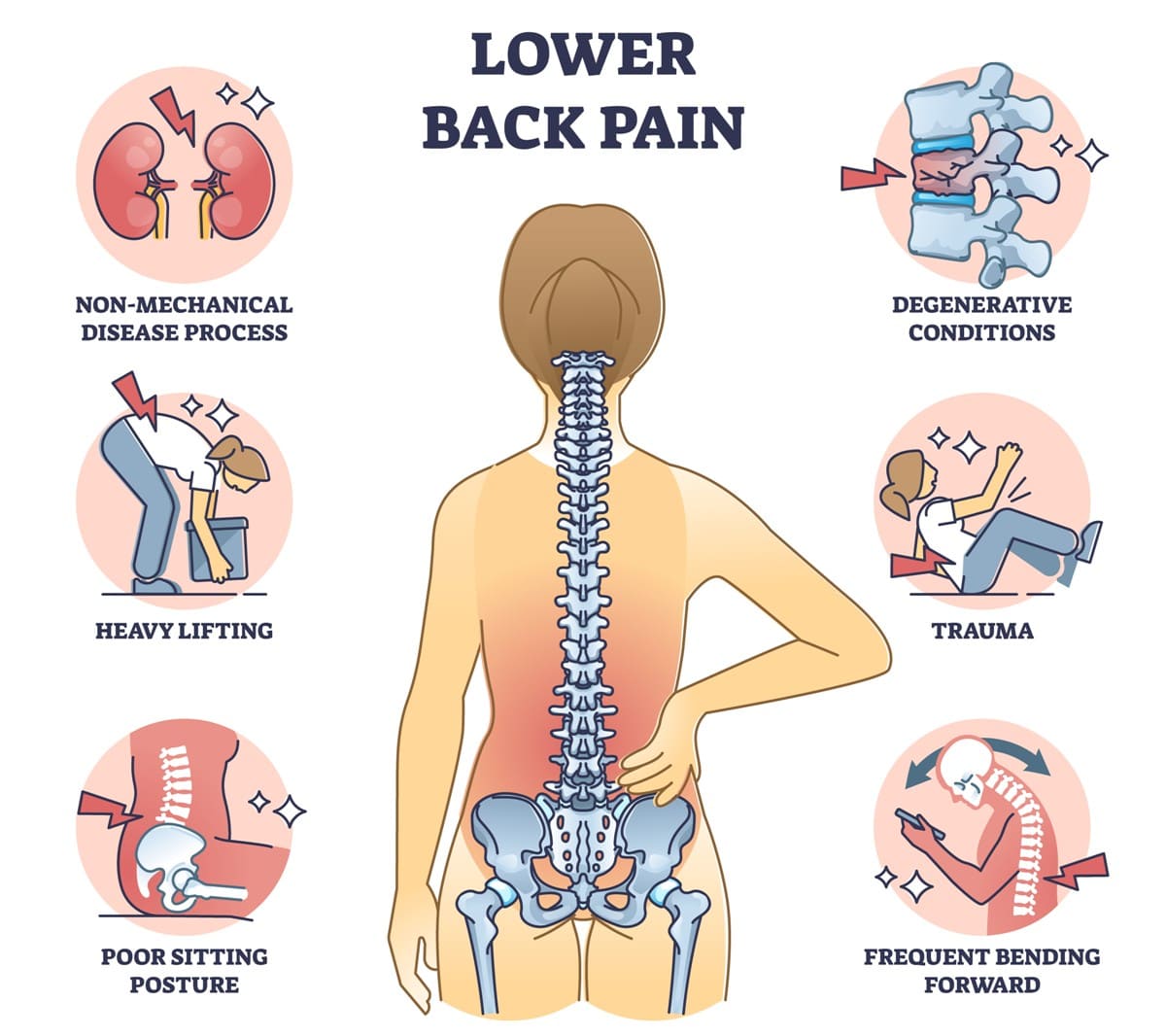
The human body is a marvel of intricate systems, a complex orchestra playing a constant, often silent, symphony of biological processes. But sometimes, a discordant note strikes, a sharp, dull, throbbing, or searing pain that demands attention. When that note emanates from the lower right back, it can be particularly perplexing. Is it a simple muscle strain from overdoing it in the garden, or something far more serious, a hidden drama unfolding within?
This journey into the landscape of lower right back pain is a story many of us will experience at some point. It’s a tale of anatomical wonders, unexpected intruders, and the body’s sometimes cryptic language. For the knowledgeable individual, understanding the potential protagonists and antagonists in this story is not just academic; it’s empowering. It’s about learning to listen more acutely to your body’s signals, discerning the subtle whispers from the urgent shouts, and knowing when to seek professional guidance to interpret the score.
The lower right back is a crossroads, a vital junction where musculoskeletal structures meet internal organs, nerves intertwine, and vessels course. Pain here isn’t a singular entity; it’s a symptom, a messenger hinting at a deeper narrative. It can be local, radiating, referred, or systemic. Its character, intensity, duration, and accompanying symptoms are all clues in a compelling medical mystery.
So, let us embark on this exploration, peeling back the layers of possibility to reveal seven common culprits behind that nagging ache or acute jab in your lower right back. We’ll delve into their characteristics, understand their origins, and crucially, illuminate the red flags – the moments in the story when concern must escalate to urgent action.
Setting the Stage: A Glimpse into the Anatomy of the Lower Right Back
Before we introduce our main characters, it’s essential to understand the stage upon which their dramas unfold. The lower right back isn’t just a patch of skin; it’s a densely packed region housing a remarkable array of structures, each capable of generating pain.
Musculoskeletal Framework:
At the superficial level, we have the skin, subcutaneous tissue, and a complex web of muscles. The erector spinae muscles run vertically along the spine, crucial for posture and movement. The quadratus lumborum (QL), a deep abdominal muscle, connects the pelvis to the ribs and lumbar spine, playing a key role in lateral flexion and stabilization. Deeper still, the psoas major muscle connects the lumbar spine to the femur, influencing hip flexion. Ligaments and tendons bind these muscles to bones, including the lumbar vertebrae (L1-L5), the sacrum, and the iliac crest of the pelvis. The intervertebral discs act as shock absorbers between the vertebrae. The sacroiliac (SI) joint, where the sacrum meets the ilium, is a common source of referred pain.
Nervous System Connections:
Nerves emanating from the lumbar and sacral regions of the spinal cord innervate these muscles and skin, but also extend to the internal organs. The sciatic nerve, the body’s largest nerve, originates from these spinal segments and courses down the leg, making it a critical player in radiating pain.
Internal Organ Neighbors:
This is where the plot thickens. Directly beneath the musculoskeletal layers, or within the abdominal cavity adjacent to the lower right back, lie several vital organs:
- Right Kidney and Ureter: The kidney is nestled high in the back, often protected by the lower ribs. Its connecting tube, the ureter, descends towards the bladder.
- Appendix: A small, finger-shaped pouch projecting from the large intestine, located in the lower right abdomen, but its pain can sometimes refer.
- Ascending Colon: The first part of the large intestine, running upwards on the right side of the abdomen.
- Female Reproductive Organs: For women, the right ovary and fallopian tube are located in the pelvic cavity, but pain can refer to the lower back.
- Gallbladder and Liver: While primarily in the upper right abdomen, issues with these organs can occasionally cause referred pain to the back, though typically higher.
Understanding this intricate geography helps us appreciate why a single symptom – lower right back pain – can have such a diverse array of origins. Now, let’s meet the seven most common culprits.
The Seven Things That Can Cause Pain in Your Lower Right Back
Each of these conditions tells its own story, characterized by unique symptoms, risk factors, and pathways to resolution.
1. The Wear and Tear Story: Musculoskeletal Strain, Sprain, and Degeneration
The most common narrative for lower back pain, regardless of side, often begins with the musculoskeletal system. Imagine your back as a complex rigging of ropes (muscles, ligaments) supporting a mast (your spine). Overuse, sudden trauma, or chronic poor posture can fray these ropes or damage the mast’s components.
- Muscle Strain or Sprain: This is the quintessential "overdid it" story. A sudden twist, lifting something too heavy, or prolonged awkward posture can stretch or tear muscle fibers (strain) or ligaments (sprain). The quadratus lumborum (QL) is a frequent offender on the right side.
- How it feels: A dull, aching pain, often localized to the right lower back, sometimes sharp with specific movements. It might feel worse with activity and better with rest. Tenderness to touch is common. Spasms can occur.
- Risk Factors: Heavy lifting, repetitive movements, poor posture, lack of core strength, sudden movements.