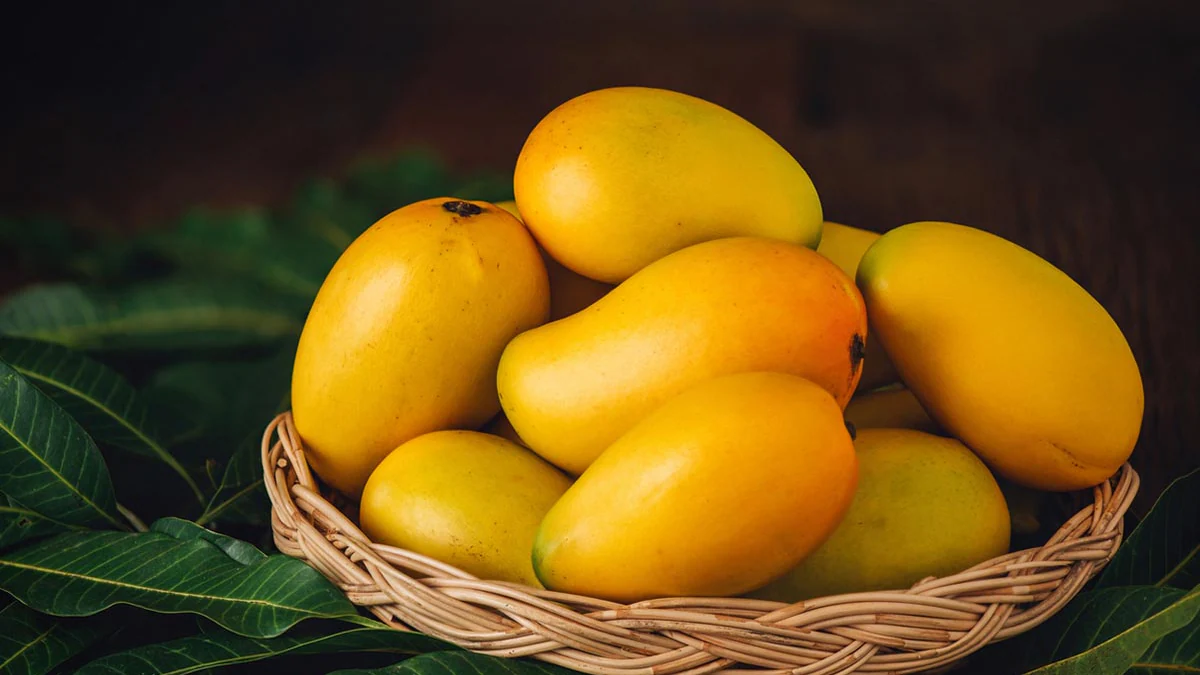
In the vast, verdant tapestry of nature’s bounty, where countless fruits vie for our attention with their vibrant hues, intoxicating aromas, and promises of vitality, one fruit often reigns supreme in the hearts and minds of many: the mango. Revered as the “King of Fruits” in numerous cultures, particularly across Asia, Africa, and Latin America, the mango commands a unique mystique. Its juicy, sweet, and sometimes tangy flesh, encased in a skin that ranges from blushing red to sunny yellow and emerald green, is a sensory delight that evokes images of tropical paradise and sun-drenched indulgence.
But beyond its undeniable appeal to the palate, a more profound question lingers, one that piques the curiosity of the health-conscious and the scientifically inclined: Is the mango truly the world’s healthiest fruit? Or is this royal title merely a testament to its deliciousness and cultural significance, rather than an objective nutritional truth? To unravel this mystery, we must embark on a comprehensive journey, delving deep into the mango’s intricate biochemical composition, comparing it to other nutritional powerhouses, and ultimately delivering a nuanced verdict that honors both science and the sheer joy of eating.
The Mango’s Ancestral Roots: A Journey Through Time
Before dissecting its nutritional profile, it’s worth appreciating the mango’s epic journey. Originating in the fertile valleys of Northeast India, Myanmar, and Bangladesh some 4,000 to 5,000 years ago, the mango (Mangifera indica) swiftly became a staple, deeply interwoven with ancient spiritual beliefs and traditional medicine. Buddhist monks are said to have carried mangoes on their travels, introducing them to new lands. Persian traders brought them to the Middle East and Africa, and later, Portuguese explorers transported them to Brazil, establishing the foundations of its global spread. This rich history isn’t just trivia; it speaks to a fruit that has sustained and delighted humanity for millennia, hinting at an inherent goodness that transcends mere flavor.
Unpacking the Golden Orb: A Deep Dive into Mango’s Nutritional Profile
To understand the mango’s claim to health royalty, we must first meticulously examine its constituent parts. A single cup (approximately 165 grams) of sliced mango offers a formidable array of vitamins, minerals, fiber, and an impressive complex of bioactive compounds.
1. The Vitamin Powerhouse:
- Vitamin C (Ascorbic Acid): This is perhaps the most celebrated nutrient in mangoes. A single serving can provide over 100% of the recommended daily intake for adults. Vitamin C is a potent antioxidant, crucial for bolstering the immune system, fighting off free radicals that cause cellular damage, and facilitating collagen production for healthy skin, hair, and connective tissues. It also enhances iron absorption, a vital function for preventing anemia.
- Vitamin A (Beta-Carotene): Mangoes are exceptionally rich in beta-carotene, a precursor to Vitamin A. This fat-soluble vitamin is indispensable for vision, particularly in low light conditions, and plays a critical role in immune function, cell growth, and differentiation. The vibrant orange-yellow hue of ripe mango flesh is a direct testament to its high carotenoid content.
- B-Complex Vitamins: Mangoes contribute a respectable amount of several B vitamins, including Folate (B9), Vitamin B6 (Pyridoxine), Thiamine (B1), Riboflavin (B2), and Niacin (B3). These vitamins are essential coenzymes involved in countless metabolic processes, including energy production, nerve function, and red blood cell formation. Folate, in particular, is crucial for DNA synthesis and repair, making it vital during periods of rapid growth and for pregnant women.
- Vitamin K: While not as abundant as some other vitamins, mangoes do contain Vitamin K, which is essential for blood clotting and bone health.
- Vitamin E: Another fat-soluble antioxidant found in mangoes, Vitamin E works synergistically with Vitamin C to protect cells from oxidative stress.
2. Essential Minerals:
- Potassium: Mangoes are a good source of potassium, an electrolyte vital for maintaining fluid balance, nerve signals, and muscle contractions, including the crucial rhythm of the heart. Adequate potassium intake is associated with lower blood pressure and a reduced risk of stroke.
- Magnesium: This mineral is involved in over 300 enzymatic reactions in the body, influencing everything from muscle and nerve function to blood glucose control and blood pressure regulation.
- Copper: Essential for red blood cell formation, iron metabolism, and the maintenance of healthy bones, blood vessels, nerves, and immune function.
- Trace Minerals: Smaller amounts of manganese, calcium, and phosphorus also contribute to the mango’s mineral profile.
3. Fiber: The Unsung Hero:
A single cup of mango provides around 2-3 grams of dietary fiber, a crucial component for digestive health. This fiber consists of both soluble and insoluble types:
- Soluble fiber helps to lower blood cholesterol and glucose levels, and acts as a prebiotic, feeding beneficial gut bacteria.
- Insoluble fiber adds bulk to stool, promoting regular bowel movements and preventing constipation. The combination contributes to satiety, aiding in weight management.
4. Phytochemicals and Antioxidants: The Mango’s Secret Weapon
This is where the mango truly distinguishes itself and where its profound health benefits are believed to lie. Beyond the standard vitamins and minerals, mangoes are teeming with a diverse array of bioactive compounds, often referred to as phytonutrients or phytochemicals. These are plant-derived compounds that, while not essential for immediate survival, confer significant health advantages.