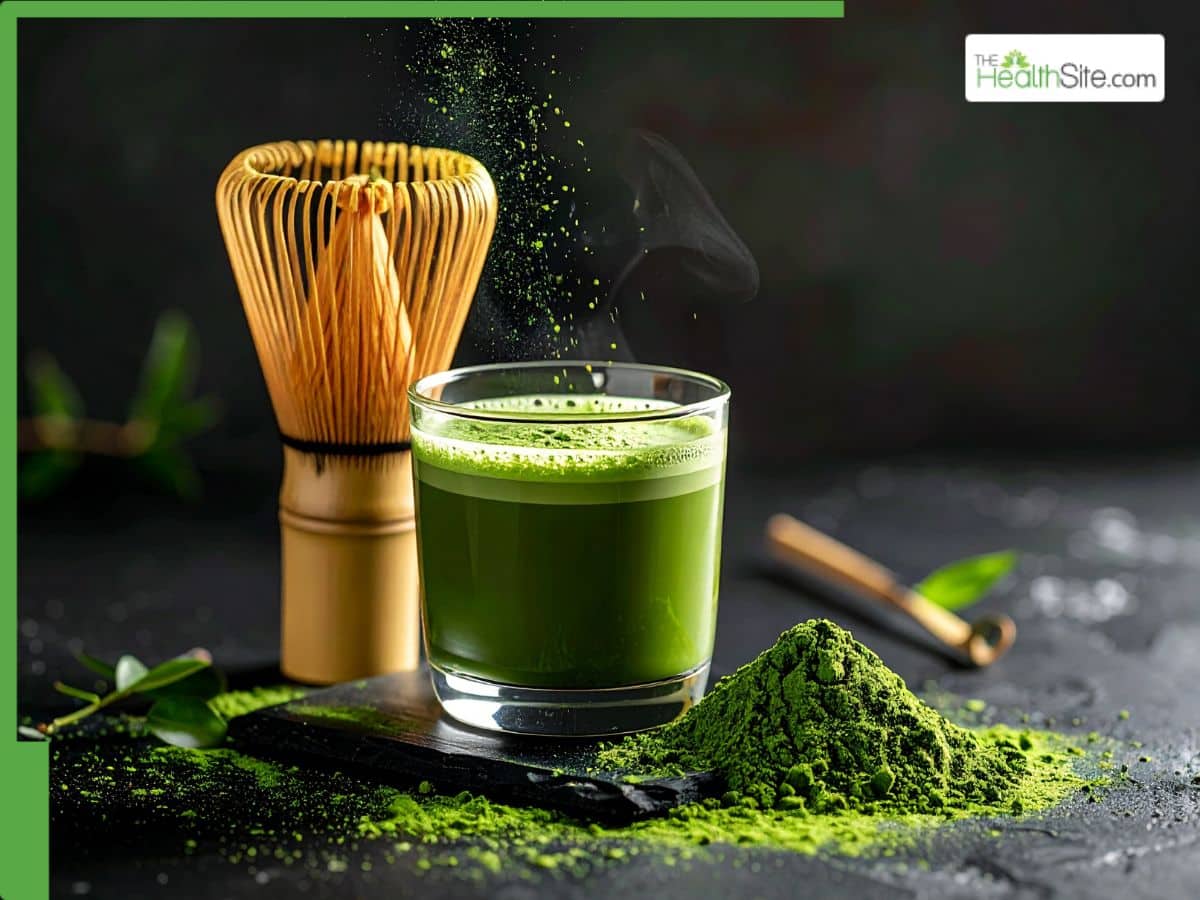
In the verdant embrace of Japanese tea culture lies a powdered emerald, a potent elixir that has transcended its ancient ceremonial roots to become a modern wellness phenomenon: matcha. This vibrant green tea, celebrated for its unique preparation and profound health benefits, has captured the imagination of health enthusiasts worldwide. Among the myriad claims attributed to matcha, its potential role in weight management stands out, sparking curiosity and hope in those seeking a natural ally in their health journey.
But what truly happens to your weight when you commit to drinking matcha regularly? Is it a magic bullet, a fleeting trend, or a nuanced player in the intricate symphony of metabolic health? The answer, as with most things in the realm of human physiology, is complex, multifaceted, and deeply intertwined with how matcha interacts with our bodies on a cellular, hormonal, and psychological level. It’s a story not of instant transformation, but of subtle shifts, synergistic effects, and the powerful impact of consistent, mindful integration.
To truly understand matcha’s influence on weight, we must embark on a journey deep into its molecular composition, exploring the compounds that make it so unique and tracing their pathways through the body. We must also consider the "regularity" factor – the power of consistent habit – and how matcha integrates into the broader tapestry of a healthy lifestyle.
I. Unpacking Matcha’s Molecular Arsenal: The Science Beneath the Foam
Matcha is not just any green tea. Grown in the shade, its leaves are meticulously stone-ground into a fine powder, meaning that when you drink matcha, you’re consuming the entire leaf, not just an infusion. This concentrated form is key to its potent effects, delivering a richer payload of beneficial compounds than traditional steeped green tea.
A. The Catechin Powerhouse: EGCG and Metabolic Ignition
At the heart of matcha’s metabolic prowess lies epigallocatechin gallate (EGCG), the most abundant and well-studied catechin in green tea. Catechins are a type of flavonoid, powerful antioxidants known for their protective properties. But EGCG, in particular, has garnered significant attention for its direct role in thermogenesis and fat oxidation.
-
Boosting Thermogenesis: EGCG acts as a thermogenic agent, gently nudging the body’s internal furnace to burn more calories. It achieves this by inhibiting an enzyme called catechol-O-methyltransferase (COMT), which typically breaks down norepinephrine. Norepinephrine is a neurotransmitter that signals fat cells to release fat for energy. By preserving norepinephrine, EGCG extends its fat-burning signal, essentially keeping your metabolic engine humming at a slightly higher RPM. This isn’t a dramatic surge, but a subtle, sustained elevation in energy expenditure that, over time, can contribute to a caloric deficit.
-
Enhancing Fat Oxidation: Beyond simply burning more calories, EGCG specifically appears to increase the body’s ability to oxidize fat – that is, to use stored fat for energy. Studies suggest that EGCG can promote the breakdown of fat cells and enhance the activity of enzymes involved in fat metabolism. When combined with exercise, this effect is amplified, meaning matcha could potentially help your body tap into fat stores more efficiently during physical activity. For someone regularly engaging in exercise, this could translate to a more effective body composition shift over months.
B. The Caffeine Factor: Sustained Energy, Not Jitters
Matcha contains a notable amount of caffeine, typically ranging from 30-70 mg per serving, depending on the grade and preparation. Caffeine is a well-known stimulant that can temporarily boost metabolism and increase energy expenditure. It works by blocking adenosine, a neurotransmitter that promotes relaxation and sleepiness, thereby increasing the activity of stimulating neurotransmitters like dopamine and norepinephrine.
However, the caffeine experience in matcha is distinct from that of coffee. This is largely due to the synergistic presence of L-theanine.
C. The L-Theanine Zen: Calm Focus and Stress Reduction
L-theanine, a unique amino acid found almost exclusively in tea plants, is matcha’s secret weapon for balancing the stimulating effects of caffeine. It’s responsible for the characteristic "umami" flavor and the feeling of "calm alertness" or "zen focus" often associated with matcha.
-
Modulating Caffeine: L-theanine slows the absorption of caffeine, leading to a more sustained release of energy without the sudden jitters, peak, and crash often associated with coffee. This smoother energy curve can be invaluable for maintaining productivity and avoiding the energy slumps that might otherwise lead to reaching for sugary snacks.
-
Stress Reduction and Cortisol Control: Perhaps even more significantly for weight management, L-theanine has been shown to induce alpha brain wave activity, a state associated with relaxation and meditation. This can directly help reduce stress and lower levels of cortisol, the body’s primary stress hormone. Chronic elevated cortisol is notoriously linked to increased abdominal fat storage, heightened appetite, and sugar cravings. By helping to mitigate stress, matcha, through L-theanine, can indirectly help curb stress-induced eating and prevent cortisol-driven fat accumulation. For someone prone to emotional eating, this can be a profound benefit.
D. Chlorophyll and Fiber: Overlooked Allies