Imagine a fruit, vibrant in color, intoxicating in aroma, and bursting with a sweetness that transports you to sun-drenched orchards. For centuries, this fruit has been a symbol of love, prosperity, and joy in cultures across the globe. We speak, of course, of the mango – the "king of fruits." Often relegated to the status of a delicious seasonal treat, its true majesty lies far beyond its luscious pulp. Beneath that often-discarded peel and within its golden flesh lies a symphony of nutrients, antioxidants, and bioactive compounds poised to orchestrate a profound transformation within your body. This is not just a fruit; it is a pharmaceutical marvel, a natural healer, a testament to nature’s profound wisdom.
In a world increasingly reliant on synthetic solutions and quick fixes, the humble mango offers a powerful, delicious, and holistic alternative. This is a story of rediscovery, a journey from superficial appreciation to deep understanding, revealing how incorporating this tropical gem into your diet can truly mean stopping the cycle of merely consuming and starting the process of healing. For the discerning palate and the inquisitive mind, the mango is not just a delightful indulgence; it is an invitation to unlock a cascade of surprising health perks that resonate from the cellular level upwards, promising vitality, resilience, and a deeper connection to nature’s most potent remedies.
The Mango’s Majestic Journey: From Ancient Origins to Global Phenomenon
Our story begins over 4,000 years ago on the Indian subcontinent, where the mango (Mangifera indica) first graced humanity. Revered in ancient Hindu texts and depicted in Buddhist art, the mango was more than just sustenance; it was a sacred fruit, a symbol of fertility, prosperity, and divine love. Legend has it that Buddha himself was gifted a mango grove for meditation. From its birthplace, carried by adventurous travelers, traders, and eventually colonial powers, the mango embarked on an epic voyage across continents. It traversed the silk roads, sailed the Indian Ocean, and eventually found new homes in Africa, South America, and the Caribbean, adapting to diverse climates and giving rise to thousands of unique varieties, each with its own character and charm.
This extensive history is not merely anecdotal; it underscores the mango’s enduring significance and its deep roots in traditional medicine systems like Ayurveda. For millennia, various parts of the mango tree – from its leaves and flowers to its bark and seed – have been utilized for their medicinal properties, long before modern science began to unravel their complex biochemical profiles. This ancient wisdom provides a rich tapestry against which we can appreciate the contemporary scientific validation of the mango’s extraordinary healing capabilities. The mango’s global journey is a testament to its universal appeal, not just as a culinary delight but as a powerhouse of natural medicine, waiting to be fully appreciated by a knowledgeable audience.
Beyond the Peel: Unpacking the Nutritional Powerhouse
To truly understand the mango’s healing potential, we must first delve into its fundamental composition. While often celebrated for its natural sweetness, a single mango is a veritable cornucopia of essential macronutrients and micronutrients, working in concert to support optimal bodily functions.
Primarily, mangoes are a fantastic source of carbohydrates, predominantly natural sugars like fructose and glucose, which provide readily available energy. However, this energy comes packaged with a significant amount of dietary fiber, both soluble and insoluble. This fiber content is a critical, yet often overlooked, component of its healing profile, playing a pivotal role in digestive health and blood sugar regulation, which we will explore in depth.
Beyond its energy-providing components, the mango shines brightly in its vitamin and mineral content:
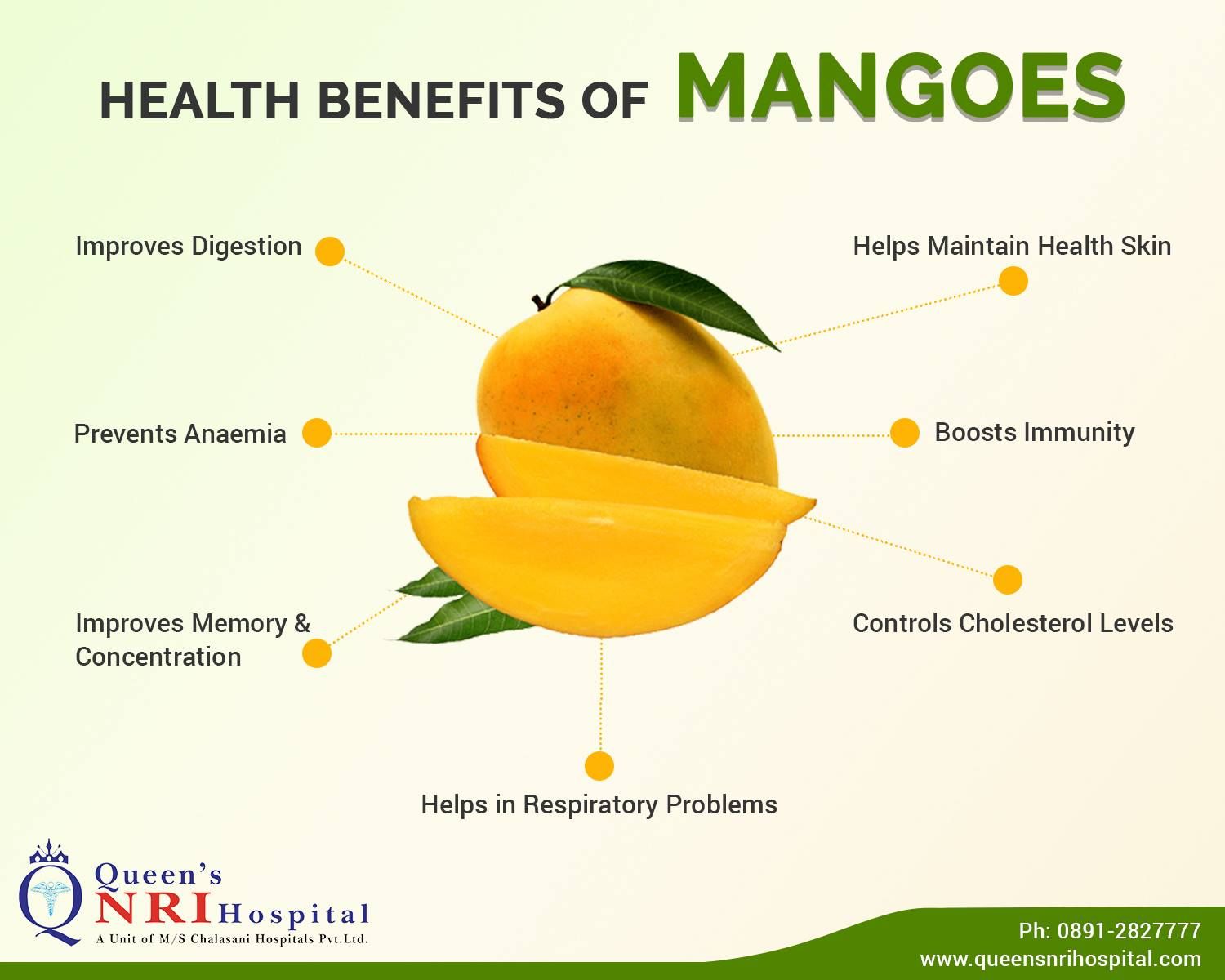
- Vitamin C: A single mango can provide a substantial portion of your daily recommended intake. This potent antioxidant is crucial for immune system function, collagen synthesis (vital for skin, hair, and connective tissues), and acts as a free radical scavenger, protecting cells from damage.
- Vitamin A (from Beta-Carotene): Mangoes are exceptionally rich in beta-carotene, a powerful carotenoid that the body converts into Vitamin A. This vitamin is indispensable for vision, immune health, skin cell regeneration, and plays a role in gene expression.
- Folate (Vitamin B9): Essential for cell division and growth, particularly important during pregnancy, and plays a role in DNA synthesis and repair.
- Vitamin B6: Crucial for metabolism, brain development, and nerve function. It helps produce neurotransmitters like serotonin and norepinephrine, influencing mood and sleep.
- Potassium: A vital electrolyte that helps regulate blood pressure, fluid balance, and nerve signals. Its presence makes mango a heart-friendly fruit.
- Copper: Essential for iron absorption, red blood cell formation, and energy production.
- Magnesium: Involved in over 300 enzymatic reactions in the body, supporting muscle and nerve function, blood glucose control, and blood pressure regulation.
This foundational nutritional profile is impressive on its own, yet it only scratches the surface. The true "healing" magic of the mango lies deeper, within its complex array of bioactive compounds – the unsung heroes working diligently at a molecular level.
The Golden Glow: Antioxidants and Phytochemicals – The True Healers
This is where the mango’s story truly unfolds, transforming from a simple fruit into a sophisticated natural medicine. The vibrant hues of a mango – from deep green to fiery red and sunny yellow – are visual cues to its astonishing concentration of antioxidants and phytochemicals. These are the compounds responsible for neutralizing harmful free radicals, reducing inflammation, and modulating cellular pathways to promote health and prevent disease.
1. Carotenoids: The Visionaries and Protectors
Mangoes are brimming with various carotenoids, the pigments responsible for their golden-orange flesh. The most prominent among them is beta-carotene, a potent precursor to Vitamin A, as mentioned. However, mangoes also contain alpha-carotene, beta-cryptoxanthin, and lutein and zeaxanthin. These compounds are not just colorants; they are powerful antioxidants that:
- Combat Oxidative Stress: They neutralize free radicals, unstable molecules that can damage cells, DNA, and proteins, leading to chronic diseases like cancer, heart disease, and neurodegenerative disorders.
- Enhance Vision: Lutein and zeaxanthin are particularly concentrated in the retina of the eye, protecting it from harmful blue light and reducing the risk of age-related macular degeneration (AMD) and cataracts.
- Support Skin Health: By protecting against UV radiation damage and promoting healthy cell turnover, carotenoids contribute to a youthful, radiant complexion.
2. Polyphenols: The Master Regulators