The 40s. It’s a decade often painted with broad strokes of midlife reflection, career peaks, and perhaps the bittersweet realization that youth’s first blush is giving way to a more profound, nuanced beauty. But beneath the surface, within the very architecture of your being, a silent revolution is unfolding, particularly in a part of your body that has long been a symbol of femininity, nurturing, and identity: your breasts.
For many women, the breasts of their 20s and 30s felt relatively stable, familiar. Perhaps they swelled with menstruation, tightened with ovulation, or underwent the profound transformations of pregnancy and lactation. But the 40s usher in a different kind of change – a slow, intricate remodeling driven by a shifting hormonal landscape that will redefine their form, feel, and even their underlying health profile. This isn’t just about sagging or wrinkles; it’s a deep, cellular narrative, a testament to the body’s continuous evolution. To truly understand this journey, we must delve into the hormonal symphony that begins to falter, the structural transformations it orchestrates, and the new landscape it creates, both visible and invisible.
The Hormonal Overture: Estrogen’s Fading Crescendo and Progesterone’s Early Exit
To comprehend the metamorphosis of your breasts in your 40s, we must first understand the conductors of this grand physiological orchestra: your hormones. This decade marks the official entry into perimenopause, a transitional phase that can last anywhere from a few years to over a decade before full menopause. It’s a period characterized not by a steady decline in hormones, but by a chaotic, often unpredictable fluctuation, much like a skilled conductor losing their rhythm, sometimes speeding up, sometimes slowing down, sometimes missing a beat entirely.
The primary players here are estrogen and progesterone. In your fertile years, these hormones worked in a finely tuned ballet, preparing your body for potential pregnancy. Estrogen, often seen as the "female hormone," is responsible for the development of breast tissue, the ductal system, and maintaining elasticity and fullness. Progesterone, on the other hand, is crucial for the development of the milk-producing lobules and often has a calming, protective effect on breast tissue.
As you enter your 40s, this delicate balance begins to unravel. Progesterone is often the first to make a graceful, if sometimes abrupt, exit. Produced primarily after ovulation, its levels start to dip earlier and more significantly as ovulatory cycles become less regular. This early decline can lead to a state of "estrogen dominance" relative to progesterone, even if estrogen levels are fluctuating wildly.
And fluctuate they do. Estrogen levels during perimenopause can swing from abnormally high peaks, sometimes even surpassing levels seen in younger women, to precipitous drops, often within the same cycle. This hormonal rollercoaster is the root cause of many of the symptoms associated with perimenopause, from hot flashes and mood swings to, crucially, profound changes in your breast tissue. The breast, being an exquisitely hormone-sensitive organ, responds directly and dramatically to these erratic signals. The narrative of your breasts in your 40s is, at its core, a story of adapting to this new, often turbulent, hormonal environment.
The Architectural Remodeling: From Glandular Factories to Adipose Gardens
Imagine your breasts as intricate, living structures, continually being built and rebuilt. In your 40s, the blueprint changes, leading to a profound architectural remodeling. The most significant transformation is the process of involution, where the dense, glandular tissue that makes up the milk-producing apparatus begins to regress and is gradually replaced by fat.
Glandular Tissue Involution: The Factories Close Down
For years, your breasts have housed a complex network of milk ducts and lobules – the glandular tissue – poised for the potential miracle of lactation. This tissue is dense, rich in cells, and highly responsive to hormonal signals. But as perimenopause progresses, and the likelihood of future pregnancies diminishes, the body begins a natural, evolutionary process of decommissioning these "factories." The lobules shrink, the ducts become less prominent, and the overall volume of glandular tissue decreases. This isn’t a sudden demolition; it’s a slow, graceful retreat, a biological surrender to a new phase of life. The result is often breasts that feel softer, less firm, and perhaps less "lumpy" than they did in your younger years. This change is often welcomed by women who experienced significant premenstrual tenderness and density in their 20s and 30s.
Adipose Tissue Infiltration: The Softening Touch
As the glandular tissue recedes, its place is taken by adipose tissue, or fat. This is a crucial distinction. While the overall size of your breasts might not dramatically decrease, their composition certainly shifts. Fat is softer, less dense, and provides less structural support than glandular tissue. This infiltration of adipose tissue is a key reason why breasts in your 40s often feel less firm and more pliable. It’s like replacing a sturdy, tightly packed brick wall with a softer, more yielding cushion. For some, this means a subtle increase in breast size due to fat accumulation, even as the functional tissue diminishes. For others, the loss of glandular tissue may lead to a reduction in overall volume. The interplay between these two tissue types creates a unique and evolving landscape for each woman.
The Weakening Scaffolding: Collagen and Elastin’s Decline
Beyond the internal tissue changes, the external support structure of your breasts also undergoes significant transformation. Think of your skin and the internal connective tissues as the scaffolding that holds everything in place. Two proteins are paramount to this scaffolding: collagen and elastin.
- Collagen, a fibrous protein, provides strength and structure. It’s what gives skin its plumpness and firmness.
- Elastin, as its name suggests, provides elasticity and the ability for tissues to snap back into place after stretching.
As you move through your 40s, the production of both collagen and elastin naturally slows down. This deceleration is accelerated by fluctuating estrogen levels, which play a vital role in maintaining the integrity of these proteins. The weakening of this "scaffolding" leads to several noticeable changes:
- Skin Laxity: The skin covering your breasts becomes thinner, less resilient, and more prone to fine lines and wrinkles. It loses its ability to hold its shape as effectively.
- Loss of Firmness: The internal network of connective tissue, which intertwines with glandular and fatty tissue, also loses its integrity. This contributes significantly to the overall loss of firmness and the feeling of "softness" that many women experience.
Ligamentous Laxity: Cooper’s Ligaments Give Way
Deep within the breast, a network of fibrous connective tissues known as Cooper’s ligaments acts as natural internal suspenders, connecting the breast tissue to the skin and underlying chest wall. These ligaments are crucial for maintaining breast shape and providing support against gravity.
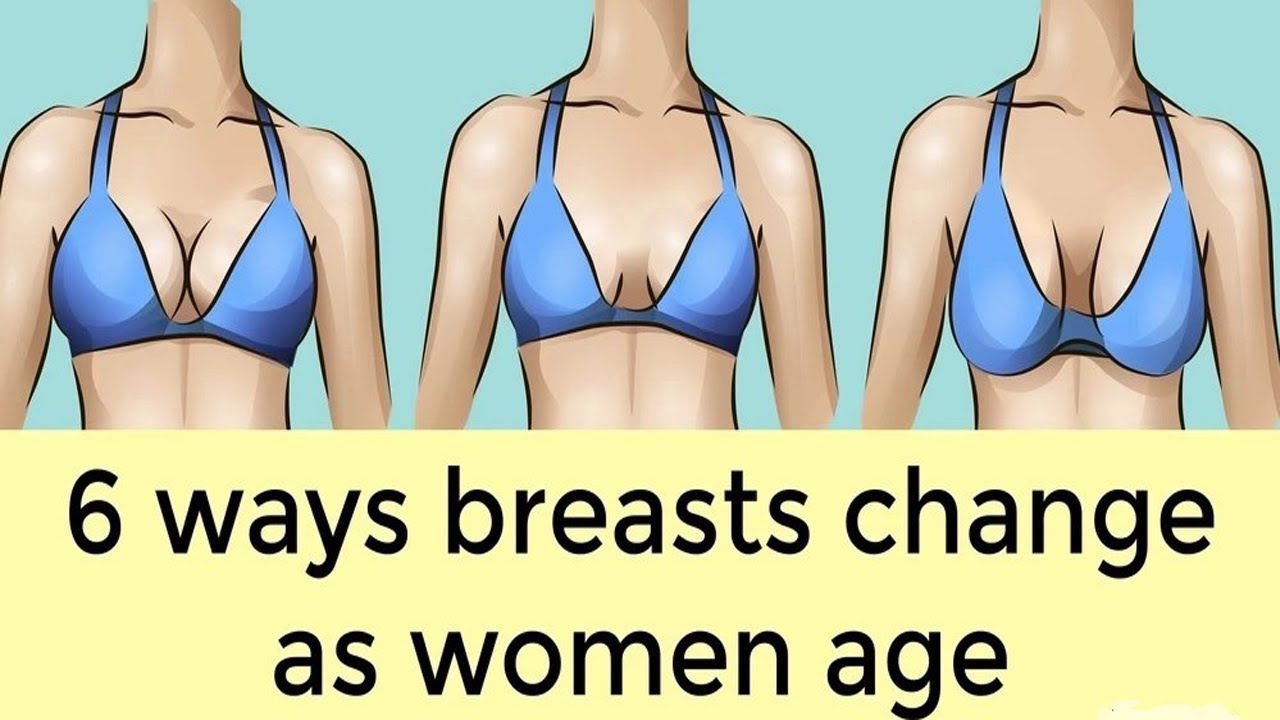
In your 40s, much like collagen and elastin elsewhere, Cooper’s ligaments begin to stretch, weaken, and lose their elasticity. This "ligamentous laxity" is a primary driver of ptosis, or breast sagging. The once-taught internal framework starts to yield, allowing the breast tissue to descend under its own weight. This is a natural, unavoidable consequence of aging and hormonal shifts, often exacerbated by factors like gravity, genetics, weight fluctuations, and the cumulative effects of movement and inadequate support over the years. The breasts, once perhaps high and firm, begin a gentle descent, their profile softening and their upper pole fullness diminishing.
The Tactile and Visual Landscape: A New Canvas Emerges
With these internal transformations, the external appearance and feel of your breasts naturally evolve. What you see in the mirror and what you feel during a self-examination might be distinctly different from a decade ago.