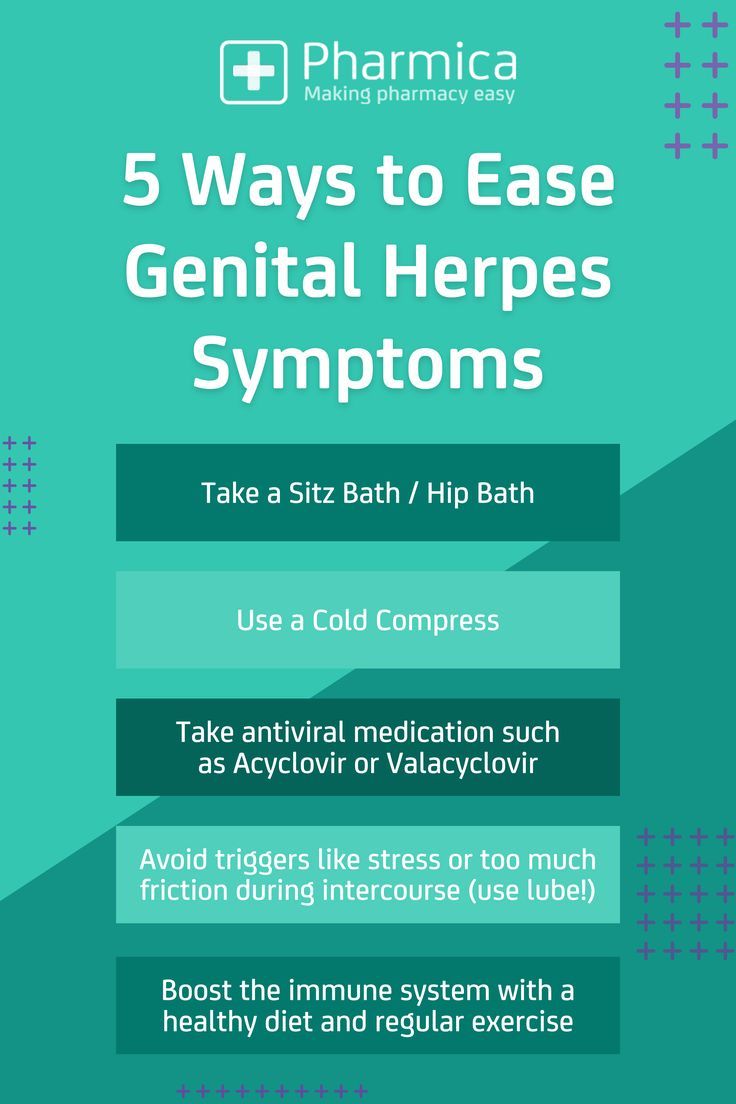
Herpes. The word itself often conjures images of shame, discomfort, and secrecy. It’s a diagnosis whispered, a condition often hidden, and a topic frequently shrouded in misinformation and stigma. Yet, the reality of herpes simplex virus (HSV) is far more common, manageable, and, frankly, mundane than the cultural narrative suggests. It’s a virus that millions navigate daily, and understanding it—from its intricate biology to its profound psychosocial impact—is the first step towards dispelling the myths and fostering an environment of knowledge, empathy, and empowerment.
This article embarks on a comprehensive journey into the world of herpes, aiming to demystify its complexities, illuminate the pathways of prevention, and detail the nuances of treatment. Our audience is knowledgeable, seeking not just superficial facts but a deeper dive into the science, the strategies, and the human experience of living with HSV. We will peel back the layers of fear and misunderstanding, replacing them with a robust framework of scientific understanding and practical guidance, told with an intent to foster genuine comprehension and destigmatization.
The Silent Epidemic: What Exactly is Herpes?
Before we delve into prevention and treatment, it’s crucial to understand the adversary: the herpes simplex virus. HSV is a highly prevalent neurotropic DNA virus belonging to the Herpesviridae family. There are two primary types of concern for humans:
- Herpes Simplex Virus Type 1 (HSV-1): Traditionally associated with oral herpes (cold sores or fever blisters), HSV-1 can also cause genital herpes. It’s estimated that a staggering 67% of the global population under the age of 50 has HSV-1 infection.
- Herpes Simplex Virus Type 2 (HSV-2): Primarily responsible for genital herpes, HSV-2 can occasionally cause oral lesions. Globally, an estimated 13% of people aged 15-49 years have HSV-2 infection.
While distinct, both types share critical characteristics: they are lifelong infections, capable of causing painful lesions, and, most importantly, they exhibit a unique life cycle involving latency and reactivation.
The Viral Life Cycle: A Master of Disguise
The story of HSV infection is a captivating tale of viral persistence. It begins with primary infection, usually through direct skin-to-skin contact with an infected individual who is shedding the virus. This contact often occurs through mucous membranes (mouth, genitals, anus) or abraded skin. The virus replicates at the site of infection, leading to the characteristic vesicles (blisters) and ulcers of an outbreak.
Following initial replication, HSV performs a crucial maneuver: it travels along sensory nerves to nerve cell clusters called ganglia (e.g., the trigeminal ganglia for oral herpes, sacral ganglia for genital herpes). Here, the virus enters a state of latency, integrating its DNA into the host cell’s nucleus, but not actively replicating. It essentially goes dormant, hiding from the immune system. This latent phase is why herpes is a lifelong infection; the virus is never truly eradicated from the body.
The dormant state, however, is not permanent. Various triggers can cause the latent virus to reactivate. These triggers are diverse and highly individual but commonly include:
- Stress (physical or emotional)
- Illness (e.g., fever, cold, flu)
- Fatigue
- Sunlight exposure (UV radiation)
- Hormonal changes (e.g., menstruation, pregnancy)
- Immunosuppression (e.g., chemotherapy, HIV infection)
- Friction or trauma to the infected area
Upon reactivation, the virus travels back down the nerve pathways to the original site of infection, where it replicates again, leading to a recurrent outbreak. This cycle of latency and reactivation is central to understanding both the challenges and the strategies of living with herpes.
Transmission: The Invisible Threat
One of the most significant aspects of herpes, particularly concerning prevention, is its mode of transmission. HSV is primarily transmitted through direct contact with lesions, mucosal surfaces, or genital/oral secretions from an infected individual. However, the critical piece of information for transmission prevention is asymptomatic shedding.
Asymptomatic shedding refers to periods when the virus is present on the skin surface and can be transmitted, even in the complete absence of visible lesions or symptoms. This "invisible" shedding accounts for a substantial proportion of new herpes infections and is why even individuals who are careful to avoid contact during outbreaks can still transmit the virus. While the frequency and duration of shedding vary, it underscores the complexity of preventing transmission.
Diagnosis: Unmasking the Virus
Accurate diagnosis is the cornerstone of effective management and prevention. Often, individuals may suspect herpes based on symptoms, but definitive confirmation is essential for peace of mind and informed decision-making.