Imagine a whisper that carries the weight of a scream. A diagnosis delivered in hushed tones, often accompanied by a torrent of shame, fear, and misunderstanding. This is the reality for millions worldwide who live with genital herpes – a condition far more common, yet profoundly more stigmatized, than most realize. It is an unseen landscape, traversed by individuals grappling not just with a viral infection, but with a complex tapestry of emotional, psychological, and social challenges.
This article aims to unravel the intricacies of genital herpes, moving beyond the sensationalism and fear to offer a comprehensive, empathetic, and scientifically grounded understanding. For the knowledgeable audience, we will delve into the virology, epidemiology, clinical manifestations, psychological impact, and the ongoing scientific quest for better management and a cure. This is not just an explanation; it is an exploration of a human experience, told with the intent to illuminate, educate, and ultimately, foster empathy.
The Silent Invader: Understanding the Herpes Simplex Virus
At the heart of genital herpes lies the Herpes Simplex Virus (HSV), a master of disguise and persistence. HSV is a double-stranded DNA virus belonging to the Herpesviridae family, a group notorious for their ability to establish lifelong latency in their hosts. There are two primary types relevant to human infection: HSV-1 and HSV-2.
HSV-1: The Original Imposter
Historically associated with oral herpes (cold sores or fever blisters), HSV-1 is increasingly recognized as a significant cause of genital herpes. This shift is attributed to changing sexual practices, particularly oral sex, leading to the transmission of HSV-1 to the genital area. While genital HSV-1 infections tend to cause less frequent and less severe recurrent outbreaks compared to HSV-2, the initial primary infection can be just as, if not more, painful.
HSV-2: The Genital Dominator
HSV-2 is traditionally the primary culprit behind genital herpes, accounting for the vast majority of recurrent genital infections. Its predilection for the sacral ganglia, where it establishes latency, makes it particularly adept at causing subsequent outbreaks in the genital and perianal regions.
The Viral Life Cycle: A Masterclass in Persistence
To truly understand herpes, one must appreciate its sophisticated life cycle. Upon initial exposure, the virus infects epithelial cells at the site of contact, where it replicates vigorously, causing the characteristic lesions. From these epithelial cells, the virus travels along sensory nerve pathways to the dorsal root ganglia (sacral ganglia for genital herpes, trigeminal ganglia for oral herpes). Here, it establishes latency – a state of dormancy where the viral genome resides within the nerve cells, largely quiescent, but not eradicated.
This latent state is the virus’s ingenious survival strategy. It evades the host’s immune system, lying in wait. Various triggers – stress, illness, hormonal changes, immunosuppression, friction, or even sunlight – can reactivate the virus. When reactivated, the virus travels back down the nerve pathways to the original site of infection, causing a recurrent outbreak. This cycle of latency and reactivation is what makes herpes a lifelong condition.
The Mechanism of Transmission: A Stealthy Spread
Genital herpes is primarily transmitted through direct skin-to-skin contact with an infected area, typically during sexual activity. This includes vaginal, anal, or oral sex. Crucially, transmission can occur even when there are no visible sores or symptoms – a phenomenon known as asymptomatic viral shedding.
Asymptomatic Shedding: The Invisible Threat
This is perhaps the most significant factor contributing to the widespread prevalence of herpes. Studies have shown that individuals with genital herpes shed the virus asymptomatically on a significant number of days, even more frequently than they experience symptomatic outbreaks. During these periods, the virus is present on the skin surface in the absence of lesions, making transmission possible without either partner being aware of the risk. This stealthy transmission often leads to situations where individuals are unaware they have contracted herpes or that they are transmitting it.
Factors Influencing Transmission:
- Presence of Lesions: The highest risk of transmission occurs when visible lesions are present, as the viral load is significantly higher.
- Asymptomatic Shedding: As discussed, this is a major contributor to silent transmission.
- Type of HSV: HSV-2 is more efficiently transmitted genitally than HSV-1.
- Sexual Practices: Unprotected sex increases the risk. Oral sex can transmit oral HSV-1 to the genitals, or vice versa.
- Immune Status: Immunocompromised individuals may shed the virus more frequently and for longer durations.
- Duration of Infection: Viral shedding frequency tends to be highest in the first few years after acquisition, gradually decreasing over time.
Debunking Myths:
It’s vital to dispel common misconceptions about herpes transmission. HSV is a fragile virus outside the body and cannot be transmitted through inanimate objects like toilet seats, towels, swimming pools, or hot tubs. Transmission requires direct skin-to-skin contact, typically involving mucous membranes or compromised skin.
The Clinical Manifestations: A Spectrum of Experience
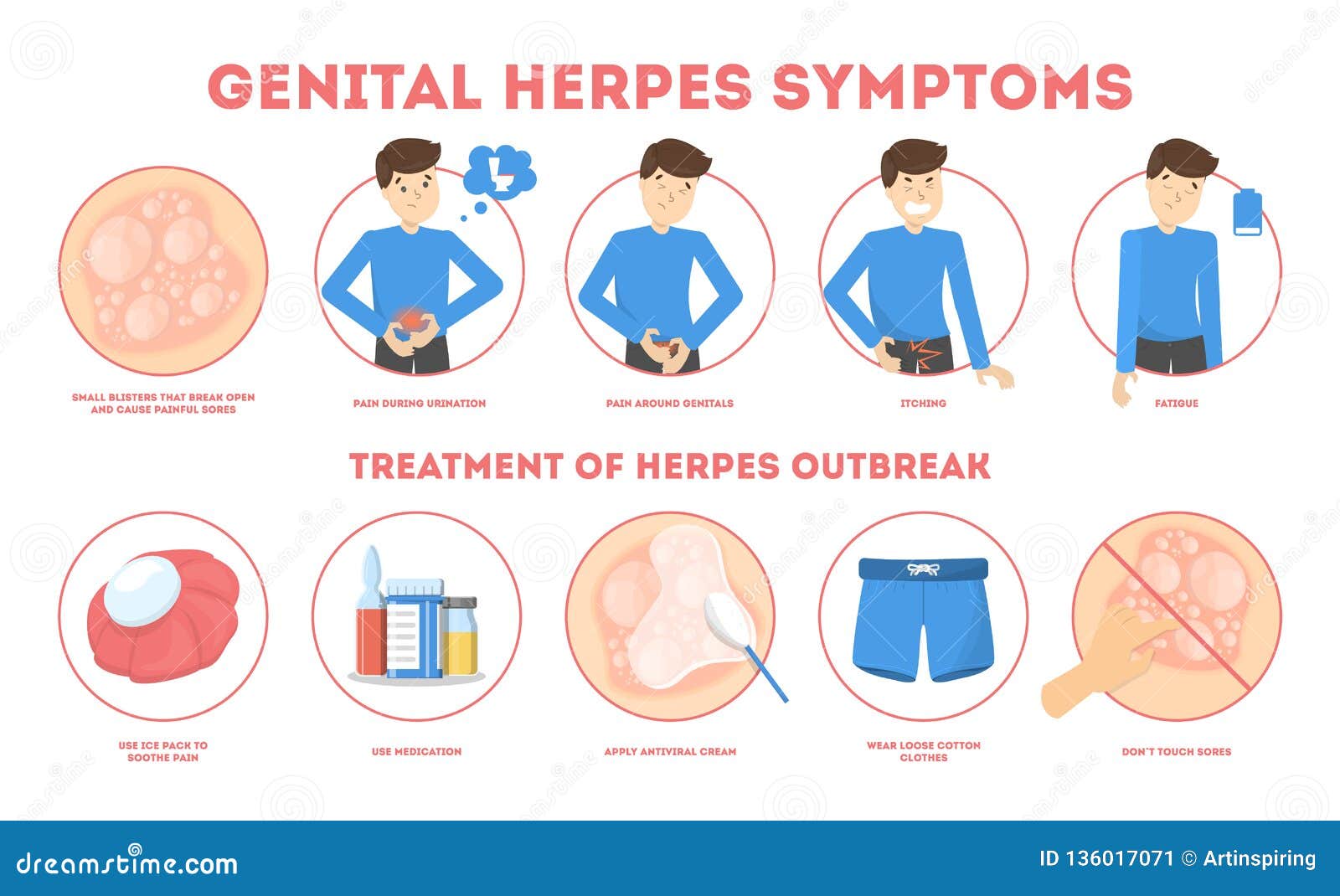
The experience of genital herpes varies widely, from asymptomatic infection to severe, debilitating outbreaks. The clinical presentation depends on whether it’s a primary (initial) infection or a recurrent episode, and on the individual’s immune response.
Primary Infection: The First Encounter