In the intricate dance of human reproduction, the spotlight often falls on the female partner. Yet, behind the scenes, a silent but equally critical player holds immense power: male fertility. For countless couples worldwide, the journey to parenthood becomes a test of resilience, often shadowed by the complexities of sperm count and quality. It’s a narrative many men find themselves in, a story of concern, unanswered questions, and the profound desire to contribute fully to the creation of new life.
This isn’t just about statistics; it’s about the deeply personal aspirations woven into the fabric of human existence. The good news, however, is that for many, the story of low sperm count doesn’t have to be a closed chapter. Far from being an immutable genetic decree, male fertility is a dynamic process, exquisitely sensitive to lifestyle, environment, and intentional choices. We are, in many ways, the architects of our own biological destiny.
For the knowledgeable individual seeking to understand and actively improve their reproductive health, this article delves into nine powerful, evidence-backed strategies. These aren’t quick fixes but rather a holistic blueprint, designed to optimize the delicate machinery of spermatogenesis, fostering not just quantity but also the vitality and integrity of the sperm themselves. Let’s embark on this journey of discovery, reclaiming control over a vital aspect of male health.
1. Fueling the Factory: The Profound Impact of Diet and Nutrition
Imagine your body as a sophisticated manufacturing plant, where every component needs specific, high-quality raw materials to function optimally. For sperm production, this analogy holds particularly true. The quality of your diet directly translates into the quality and quantity of your sperm. This isn’t just about avoiding junk food; it’s about actively integrating nutrient-dense foods that serve as the very building blocks and protectors of your reproductive cells.
At the heart of a sperm-friendly diet lies a rich array of antioxidants. Sperm are incredibly vulnerable to oxidative stress – a cellular imbalance caused by reactive oxygen species (ROS) that can damage DNA, impair motility, and reduce viability. Think of antioxidants as the body’s vigilant defense force, neutralizing these harmful agents. Vitamins C and E, selenium, and zinc are frontline warriors in this battle. Vitamin C, abundant in citrus fruits, bell peppers, and broccoli, not only acts as an antioxidant but also helps protect sperm from clumping. Vitamin E, found in nuts, seeds, and leafy greens, works synergistically with selenium to bolster cellular membranes. Selenium, critical for sperm motility and morphology, is found in Brazil nuts, fish, and whole grains. Zinc, a cornerstone for testosterone production and sperm development, is plentiful in oysters, beef, and pumpkin seeds.
Beyond these specific micronutrients, a broader dietary pattern mimicking the Mediterranean diet has shown remarkable promise. This approach emphasizes whole foods: copious amounts of fruits and vegetables, lean proteins (especially fish rich in Omega-3 fatty acids like salmon and mackerel), whole grains, and healthy fats (avocado, olive oil). Omega-3s, in particular, are vital for the structural integrity of sperm membranes, influencing their fluidity and ability to fertilize an egg. Conversely, a diet high in processed foods, trans fats, and excessive sugar can promote inflammation and oxidative stress, effectively sabotaging sperm health. By consciously choosing to nourish your body with precision, you are providing the essential toolkit for robust spermatogenesis, ensuring that the factory of life runs efficiently and produces its best.
2. The Balanced Athlete: Harnessing the Power of Regular, Moderate Exercise
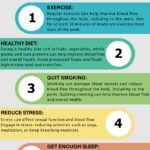
The human body is designed for movement, and moderate physical activity offers a cascade of benefits that extend directly to reproductive health. Engaging in regular exercise is not just about sculpting muscles; it’s about fine-tuning your entire physiological system, including the delicate hormonal balance crucial for sperm production. Think of it as creating an optimal internal environment where the conditions for life are maximized.
Firstly, exercise is a potent weapon against obesity, a condition directly linked to diminished sperm count and quality. By helping to maintain a healthy weight, physical activity mitigates the negative hormonal shifts associated with excess adipose tissue, such as increased estrogen conversion and reduced testosterone levels. It improves insulin sensitivity, which further contributes to a healthier endocrine profile. Beyond weight management, regular movement enhances blood circulation throughout the body, including to the testes. This improved vascularity ensures a consistent supply of oxygen and nutrients to the spermatogenic cells, facilitating their growth and maturation.
However, the key lies in moderation. While a balanced exercise routine is beneficial, extreme or prolonged high-intensity training can sometimes have counterproductive effects. Overtraining can lead to increased oxidative stress, elevate core body temperature (which can negatively impact scrotal temperature if not managed), and even temporarily suppress testosterone levels. For instance, prolonged cycling without appropriate gear can lead to scrotal compression and heat. The ideal approach involves a mix of aerobic activities (like brisk walking, jogging, swimming) and strength training, aiming for 30-60 minutes most days of the week. This balanced regimen optimizes hormonal function, reduces systemic inflammation, and contributes to overall vitality, setting the stage for a thriving reproductive system. It’s about being a balanced athlete, not necessarily a competitive one, in the pursuit of fertility.
3. Calming the Storm Within: The Essential Role of Stress Reduction
In our fast-paced modern world, stress has become an unwelcome constant, an invisible adversary that silently erodes our well-being. While its immediate effects are often felt in our mental state, chronic stress exerts a profound physiological toll, reaching into the deepest corners of our biology, including our reproductive system. For men aspiring to increase their sperm count, learning to calm this internal storm is not merely a luxury but a critical component of their fertility journey.
The mechanism is rooted in the intricate connection between the brain and the reproductive organs – the hypothalamic-pituitary-gonadal (HPG) axis. When the body perceives chronic stress, it activates the "fight or flight" response, releasing hormones like cortisol and adrenaline. While useful in short bursts, sustained elevation of cortisol can disrupt the delicate hormonal cascade that orchestrates sperm production. Cortisol can interfere with the signaling of gonadotropin-releasing hormone (GnRH) from the hypothalamus, which in turn reduces the secretion of luteinizing hormone (LH) and follicle-stimulating hormone (FSH) from the pituitary gland. These two hormones are indispensable for stimulating testosterone production in the testes and supporting spermatogenesis. A disrupted HPG axis means a less efficient "sperm factory."
Moreover, chronic stress contributes to increased oxidative stress throughout the body, further damaging sperm cells. It can also lead to lifestyle choices detrimental to fertility, such as poor sleep, unhealthy eating, and increased alcohol consumption, creating a vicious cycle. Therefore, actively integrating stress-reduction techniques becomes paramount. Practices such as mindfulness meditation, deep breathing exercises, yoga, spending time in nature, engaging in fulfilling hobbies, and ensuring adequate social connection can significantly lower cortisol levels. Even simply dedicating time each day to unwind and disconnect can make a substantial difference. By mastering the art of calming the storm within, you not only improve your mental well-being but also create a more hospitable and harmonious environment for optimal sperm production.
4. Protecting the Delicate Ecosystem: Eliminating Harmful Substances
Imagine a pristine, delicate ecosystem where every element is in perfect balance, allowing life to flourish. Now, introduce pollutants – insidious substances that disrupt this harmony, poisoning the very foundations of existence. In the context of male fertility, this ecosystem is the male reproductive system, and the pollutants are harmful substances like tobacco, excessive alcohol, and illicit drugs. Their impact is not merely superficial; it penetrates to the cellular and genetic level, severely compromising sperm health.
Tobacco, in all its forms (smoking, vaping, chewing), is a notorious offender. The myriad chemicals present in tobacco smoke, including nicotine, cadmium, and polycyclic aromatic hydrocarbons, act as potent toxins. They increase oxidative stress exponentially, leading to significant DNA fragmentation within sperm. This damage can impair sperm motility, reduce concentration, and compromise the sperm’s ability to fertilize an egg successfully, even increasing the risk of miscarriage or health issues in offspring. Think of it as introducing microscopic shrapnel into the sperm’s genetic blueprint.
Excessive alcohol consumption also wreaks havoc. While moderate intake might have negligible effects, heavy drinking directly impacts liver function, which is critical for hormone metabolism. It can lower testosterone levels, disrupt the delicate balance of the HPG axis, and impair the production of healthy sperm. Alcohol also acts as a diuretic, potentially leading to dehydration, which can further stress the body’s systems. Illicit drugs, such as marijuana, cocaine, and opioids, have similarly documented detrimental effects, ranging from reduced sperm count and motility to abnormal morphology and hormonal imbalances. Even excessive caffeine intake, beyond 2-3 cups a day, has been associated with potential negative impacts on sperm quality in some studies.
The narrative here is one of protection and purification. By consciously removing these harmful substances from your life, you are not just abstaining; you are actively safeguarding the intricate processes of spermatogenesis, allowing your body’s natural regenerative capacities to thrive. It’s about creating a clean, unpolluted environment where the architects of future life can perform their vital work unimpeded.
5. The Body’s Delicate Scales: Maintaining a Healthy Weight
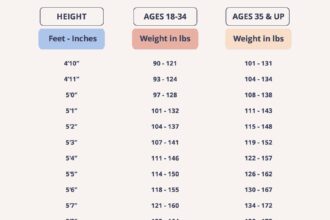
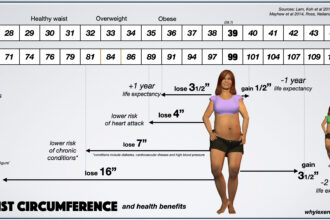
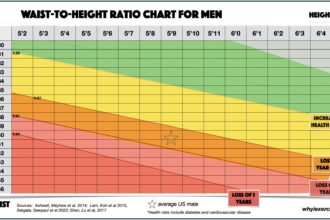
The human body is a marvel of interconnected systems, where balance is key to optimal function. When it comes to fertility, one of the most significant yet often overlooked factors is body weight. Obesity is not merely an aesthetic concern; it is a complex metabolic condition with far-reaching implications for male reproductive health, acting like a series of cascading dominoes that ultimately diminish sperm count and quality. Maintaining a healthy weight is akin to ensuring the body’s delicate scales are perfectly balanced, allowing all systems, including the reproductive one, to function harmoniously.
The primary mechanism linking obesity to male infertility is hormonal dysregulation. Adipose tissue (body fat) is not simply inert storage; it’s an active endocrine organ. Excess fat, particularly around the abdomen, contains an enzyme called aromatase. This enzyme converts testosterone, the primary male sex hormone crucial for sperm production, into estrogen. The result is a double whammy: lower testosterone levels and elevated estrogen levels, which send confusing signals to the HPG axis, ultimately suppressing sperm production and maturation. It’s like trying to bake a cake with too much of one ingredient and not enough of another – the recipe goes awry.
Beyond hormonal shifts, obesity also contributes to increased scrotal temperature due to insulating fat, which can directly impair spermatogenesis. Furthermore, obese individuals often experience higher levels of oxidative stress and systemic inflammation, both of which are detrimental to sperm DNA integrity and overall vitality. Conditions like metabolic syndrome and insulin resistance, frequently associated with obesity, further compound these issues by disrupting cellular energy metabolism and hormonal pathways within the testes.