To speak of pubic lice, or "crabs" as they are colloquially known, is to navigate a landscape fraught with discomfort, embarrassment, and a pervasive sense of stigma. It is a topic often whispered, rarely openly discussed, yet it represents a common human experience. While not a life-threatening condition, a pubic lice infestation can inflict significant physical discomfort and psychological distress. For the knowledgeable individual, understanding this unwelcome guest goes beyond mere surface-level facts; it delves into the biology of the parasite, the nuances of its detection, and the multifaceted approach required for its complete eradication. This article aims to pull back the curtain on Pthirus pubis, transforming an uncomfortable secret into a thoroughly understood and manageable health concern, telling the story from initial encounter to ultimate victory.
Chapter 1: The Uninvited Intruder – Understanding Pthirus Pubis
Our story begins with the protagonist: Pthirus pubis, the pubic louse. This tiny, six-legged arthropod is an obligate ectoparasite, meaning it must live on a host to survive, feeding exclusively on human blood. Unlike its cousins, the head louse (Pediculus humanus capitis) and the body louse (Pediculus humanus humanus), the pubic louse has a distinct preference for coarser body hair, particularly in the pubic region. However, it can also infest other areas where similar hair types are found: armpits, chest hair, facial hair (beards, mustaches, eyelashes, eyebrows), and even leg hair in severe infestations.
The Biology of the Beast:
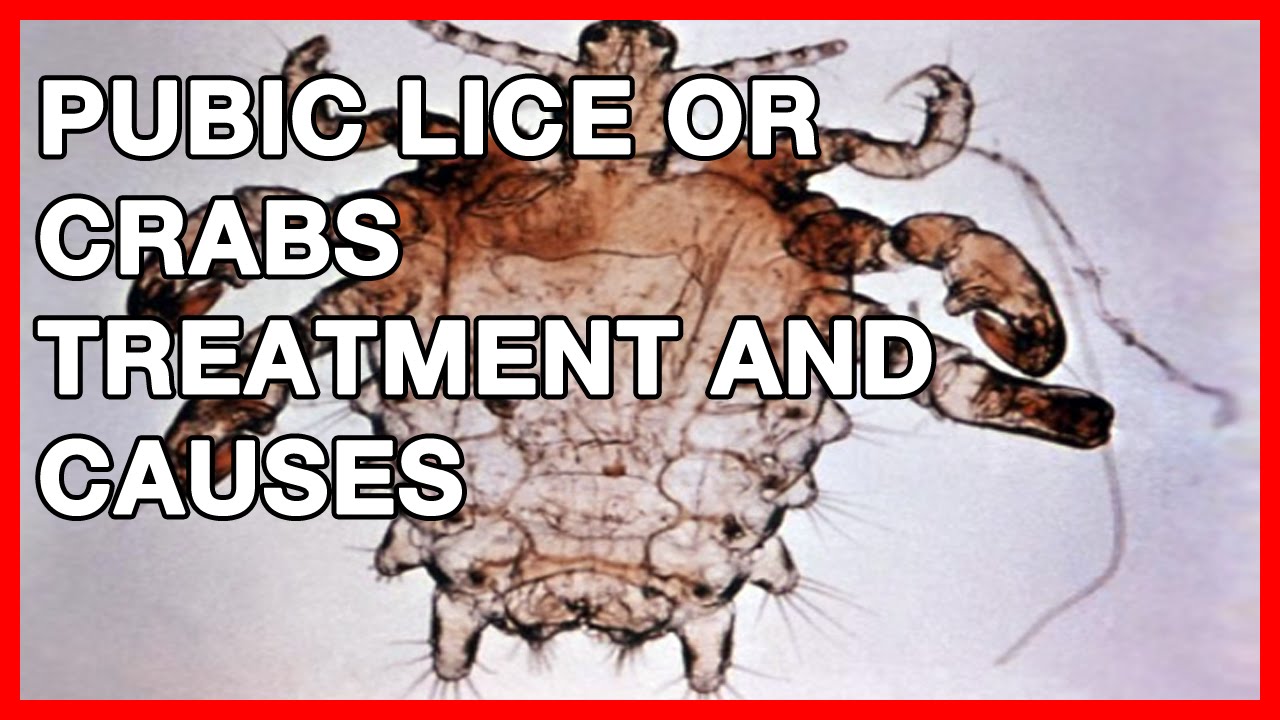
- Appearance: The adult pubic louse is remarkably small, typically 1.1–1.8 mm in length, and has a distinctive, crab-like appearance. Its flattened, oval body is often yellowish-grey or dusky, making it difficult to spot against the skin or hair. Its most striking feature are its powerful, claw-like second and third pairs of legs, perfectly adapted for grasping the thick shafts of pubic hair. This grip is so tenacious that dislodging an adult louse without tearing the hair can be challenging.
- Life Cycle: The life cycle of Pthirus pubis is a fascinating, if unsettling, marvel of adaptation.
- Nits (Eggs): The female louse lays her eggs, known as nits, at the base of a hair shaft, close to the skin. These tiny, oval, pearly-white capsules are cemented firmly to the hair, often appearing like specks of dandruff that cannot be easily flicked off. A female can lay up to 3 eggs per day, for a total of 30-50 eggs over her 3-4 week lifespan. The nits hatch after 7-10 days.
- Nymphs: Once hatched, the immature lice, called nymphs, are smaller versions of the adults. They undergo three molts (shedding their exoskeleton) over 10-17 days, growing larger with each stage, before reaching adulthood. Nymphs, like adults, feed on blood.
- Adults: The mature louse is ready to reproduce, continuing the cycle. The entire life cycle, from egg to egg-laying adult, takes approximately 2-3 weeks.
- Survival Off-Host: A crucial point in understanding eradication strategies is the louse’s limited survival off the human body. Pthirus pubis relies on the warmth and regular blood meals of its host. Away from the human body, an adult louse will typically die within 24-48 hours. Nits are even less resilient; they require body heat to hatch and are unlikely to survive and hatch off-host. This limited off-host survival window is a key vulnerability we will exploit in our extermination campaign.
Transmission: The Unspoken Proximity:
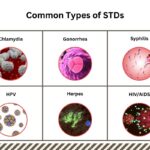
The primary mode of transmission for pubic lice is intimate, prolonged physical contact, most commonly sexual intercourse. The close proximity allows the lice to simply crawl from the hair of an infested person to that of an uninfested partner. This is why pubic lice are often classified as a sexually transmitted infection (STI), though they are not caused by bacteria or viruses.
However, sexual contact is not the only way to acquire them. Less common, but still possible, are transmissions through:
- Close non-sexual contact: For example, between family members sharing a bed or towels, or children sleeping closely with infested parents.
- Sharing personal items: Infested clothing, towels, bedding, blankets, or even sleeping bags can theoretically harbor lice that then transfer to a new host. However, given the louse’s limited survival off-host, this is considered a less frequent mode of transmission than direct body contact.
- Fomites: While often cited, transmission via inanimate objects (fomites) like toilet seats is highly improbable. Lice cannot jump, fly, or walk quickly, and their attachment to hair is incredibly strong. They are unlikely to detach and then re-attach to a new host from a cold, smooth surface.
The bottom line is that pubic lice require direct, sustained contact with a host to thrive and spread. This understanding informs both prevention and treatment strategies.
Chapter 2: The Tell-Tale Signs – How to Spot the Unseen Enemy
The story of discovery often begins with a subtle, then increasingly insistent, discomfort. An infestation with pubic lice rarely announces itself with a parade; instead, it whispers through a persistent itch, gradually escalating into a full-blown demand for attention. For the knowledgeable individual, discerning these signs and conducting a thorough self-examination is the critical first step in addressing the problem.
The Symptom Symphony: What to Feel:
- Pruritus (Itching): This is the hallmark symptom and usually the first indication of an infestation. The itching is caused by an allergic reaction to the louse’s saliva, which is injected into the skin as it feeds on blood. The intensity of the itch can vary, but it is typically worse at night or when the body is warm (e.g., under blankets). The itching can range from mild irritation to an unbearable, maddening sensation that disrupts sleep and daily life.
- Skin Irritation and Inflammation: Constant scratching can lead to secondary skin issues. Excoriations (scratch marks), red bumps, papules, and even bacterial skin infections (impetigo, folliculitis) can develop in the affected areas due to breaks in the skin barrier.