Sexually Transmitted Diseases (STDs), often referred to as Sexually Transmitted Infections (STIs), represent one of humanity’s oldest and most persistent health challenges. Far from being a relic of the past, they are a vibrant, evolving, and often silent epidemic impacting millions worldwide. To truly understand STDs, we must move beyond simplistic classifications and delve into their history, biology, psychological impact, and the profound societal challenges they pose. This is not merely a list of pathogens; it is a complex narrative of human vulnerability, resilience, scientific breakthroughs, and persistent stigma.
A Journey Through Time: The Ancient Roots of Modern Plagues
The story of STDs is as old as human civilization itself. Evidence suggests that infections like syphilis, gonorrhea, and herpes have plagued humanity for millennia, leaving their indelible mark on historical figures and entire populations. Early texts, from ancient Egyptian papyri to biblical accounts and classical Greek writings, describe symptoms eerily similar to those we recognize today.
Syphilis, perhaps the most infamous, burst onto the European scene in the late 15th century, following Columbus’s return from the New World. Its rapid, devastating spread earned it monikers like the "Great Pox" and was often attributed to divine wrath or foreign enemies. Treatments were brutal and ineffective, ranging from mercury rubs (often more toxic than the disease itself) to various herbal concoctions. The multi-stage progression of syphilis, from the initial chancre to secondary rashes and ultimately the horrific tertiary manifestations affecting the brain, heart, and bones, earned it the title "the great imitator" for its ability to mimic numerous other diseases.
Gonorrhea, often called "the clap," has also been documented for centuries, characterized by its painful urethral discharge. Herpes, with its characteristic recurrent blisters, has been etched into human experience, even appearing in Shakespearean literature.
The 20th century brought both unprecedented challenges and remarkable advancements. The advent of penicillin in the 1940s revolutionized the treatment of bacterial STDs like syphilis and gonorrhea, leading to a period of optimism, even complacency. However, this triumph was short-lived. The sexual revolution of the mid-20th century, coupled with increased global travel, created new pathways for transmission. Then, in the early 1980s, humanity faced its most formidable STD challenge yet: Human Immunodeficiency Virus (HIV), the virus that causes Acquired Immunodeficiency Syndrome (AIDS). The AIDS epidemic reshaped public health, ignited a furious scientific race, and exposed deep societal prejudices, fundamentally altering our understanding and approach to sexual health forever.
Today, while some STDs are curable and others manageable, the ongoing battle is characterized by evolving pathogens, antibiotic resistance, persistent stigma, and profound disparities in access to care. Understanding the types of STDs is the first step in dismantling this complex web.
The Major Players: A Deeper Dive into Common STDs
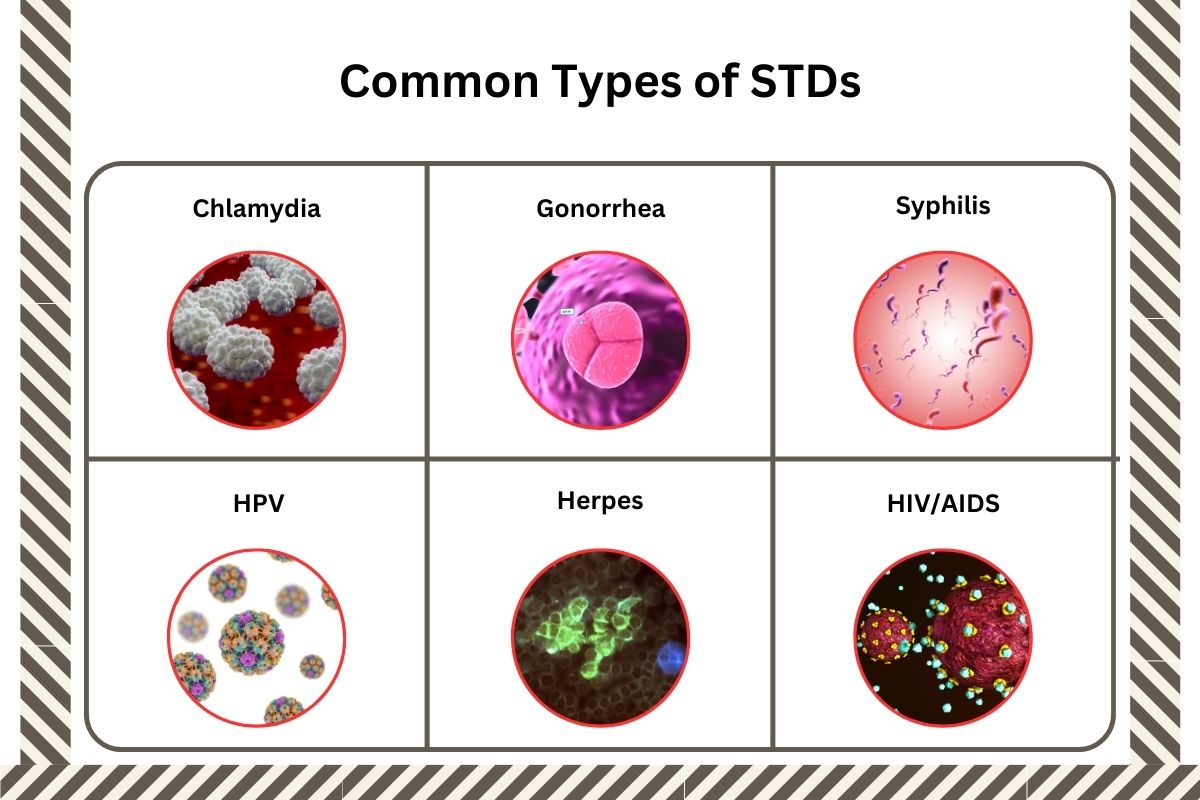
STDs are broadly categorized by the type of pathogen causing them: bacteria, viruses, or parasites/protozoa. Each category presents unique challenges in terms of diagnosis, treatment, and prevention.
I. Bacterial STIs: Curable, But Increasingly Resistant
Bacterial STIs are often considered the "good news" group because they are typically curable with antibiotics. However, this optimism is increasingly tempered by the alarming rise of antibiotic resistance, particularly in gonorrhea.
-
Chlamydia Trachomatis:
- The Silent Scourge: Chlamydia is the most commonly reported bacterial STD globally, primarily because it is often asymptomatic, especially in women. Up to 70-80% of women and 50% of men may experience no symptoms, turning them into unwitting carriers.
- Transmission: Primarily through vaginal, anal, or oral sex. It can also be transmitted from mother to child during childbirth, leading to neonatal conjunctivitis and pneumonia.
- Symptoms: When symptoms do appear, they can include painful urination, abnormal vaginal discharge, testicular pain in men, or rectal pain/discharge.
- Complications: This "silent" nature is its most dangerous aspect. Untreated chlamydia can lead to severe long-term complications, particularly in women. Pelvic Inflammatory Disease (PID) is a common consequence, causing chronic pelvic pain, ectopic pregnancy, and irreversible tubal infertility. In men, it can cause epididymitis (inflammation of the coiled tube at the back of the testicle), leading to pain and, rarely, infertility. It can also cause reactive arthritis (Reiter’s syndrome) in genetically predisposed individuals.
- Diagnosis & Treatment: Diagnosed via urine tests or swabs. Readily treated with a single dose of azithromycin or a course of doxycycline. Regular screening is crucial for sexually active individuals, especially young women.
-
Neisseria Gonorrhoeae:
- The Resurgent Threat: Gonorrhea, historically known as "the clap," is the second most commonly reported bacterial STD. It’s notorious for its rapid evolution and increasing resistance to antibiotics, earning it the moniker "super gonorrhea."
- Transmission: Vaginal, anal, or oral sex. Mother-to-child transmission during birth can cause severe eye infections in newborns (gonococcal ophthalmia neonatorum).
- Symptoms: Often more symptomatic than chlamydia, especially in men (painful urination, pus-like discharge from the penis). Women may have mild or no symptoms, but can experience increased vaginal discharge, painful urination, or vaginal bleeding between periods. Rectal or pharyngeal infections are often asymptomatic.
- Complications: Like chlamydia, untreated gonorrhea can lead to PID in women, causing infertility and ectopic pregnancy. In men, it can cause epididymitis. Disseminated gonococcal infection (DGI) is a rare but serious complication where the bacteria spreads to the bloodstream, causing arthritis, skin lesions, and even life-threatening endocarditis or meningitis.