For decades, butter languished in the culinary purgatory, demonized as a saturated fat villain responsible for heart disease and expanding waistlines. Its golden hue, once a symbol of richness and vitality, faded under the harsh light of low-fat dogma. But like a phoenix rising from the ashes of scientific re-evaluation, butter, specifically its grass-fed variant, is experiencing a triumphant resurgence. This isn’t merely a nostalgic culinary trend; it’s a story of scientific discovery, challenging long-held beliefs, and revealing a surprising nutritional profile that elevates grass-fed butter from a simple spread to a complex, nutrient-dense superfood.
To understand the marvel of grass-fed butter, we must first embark on a journey that transcends the confines of a grocery aisle. It’s a narrative rooted in history, agricultural practice, biochemistry, and the ever-evolving landscape of nutritional science. Our knowledgeable audience, discerning and curious, is ready to peel back the layers of this fascinating story, moving beyond superficial claims to explore the profound implications of a food once condemned, now celebrated.
A Historical Perspective: From Staple to Scapegoat and Back Again
For millennia, butter was a revered staple across cultures. From the ancient Egyptians who used it for lamps and medicine, to the Ghee-making traditions of India central to Ayurvedic healing, to the robust butter consumption in Northern European diets, it was synonymous with sustenance, energy, and flavor. Its presence in traditional diets, often alongside other whole, unprocessed foods, spoke to an innate understanding of its value. Farmers knew that rich, yellow butter came from healthy cows grazing on vibrant pastures – a visual cue of its quality.
The turning point arrived in the mid-20th century. The advent of industrial food processing brought forth new, cheaper fats like margarine, often hydrogenated and fortified, positioned as healthier alternatives. Simultaneously, the emerging "lipid hypothesis" linked dietary fat, particularly saturated fat and cholesterol, directly to heart disease. Key figures like Ancel Keys popularized the idea that saturated fat clogged arteries, and butter, being rich in it, became a prime target. A public health campaign ensued, urging people to swap butter for vegetable oils and margarine, to embrace low-fat diets, and to fear the very fat that had nourished generations.
This era marked butter’s fall from grace. It became a symbol of unhealthy indulgence, a relic of an unsophisticated past. Yet, even as margarine sales soared and low-fat diets became the norm, a quiet counter-narrative began to emerge. Researchers, observing the health of populations consuming traditional, high-fat diets, started to question the oversimplified "fat is bad" mantra. The complex interplay of nutrients, the impact of processing, and the crucial distinction between different types of fats began to slowly unravel the conventional wisdom. It was within this re-evaluation that the spotlight began to shift, not just back to butter, but specifically to the nuanced differences offered by its grass-fed counterpart.
The "Grass-Fed" Distinction: Why the Diet of a Cow Matters So Much
The term "grass-fed" isn’t merely a marketing buzzword; it represents a fundamental difference in how dairy cows are raised, directly impacting the nutritional composition of their milk and, consequently, the butter derived from it. To truly appreciate grass-fed butter, we must understand the intricate biological process within the ruminant animal.
Cows are natural herbivores, evolved to digest and thrive on fibrous plant matter like grasses, legumes, and forbs. Their unique four-chambered stomach system, particularly the rumen, is a marvel of nature, housing billions of microbes that ferment cellulose and synthesize nutrients. When cows graze on pasture, they consume a biodiverse array of plants, rich in chlorophyll, carotenoids, and various precursors to beneficial compounds. This natural diet allows their digestive system to function optimally, producing milk with a distinct and superior nutritional profile.
In contrast, conventionally raised dairy cows are often fed a diet heavily reliant on grains (corn, soy), often supplemented with by-products and silage. While this diet can lead to higher milk yields, it fundamentally alters the cow’s biology. Grains change the pH of the rumen, affecting the microbial population and, critically, the pathways for fatty acid synthesis and nutrient conversion. The result is milk with a different fatty acid spectrum and lower concentrations of certain fat-soluble vitamins and antioxidants.
The "grass-fed" designation means that the cows spend the majority, if not all, of their lives grazing on fresh pastures. This isn’t just about ethics or environmental sustainability (though those are significant benefits); it’s about optimizing the cow’s natural biology to produce milk of exceptional quality. Seasonal variations also play a role: butter from cows grazing lush spring and summer pastures tends to be richer in color and nutrients due to the peak availability of vibrant plant life. This distinction is the bedrock upon which grass-fed butter’s surprising nutritional story is built.
Unpacking the Fatty Acid Profile: Beyond Saturated Fat
For decades, saturated fat was the singular focus of criticism against butter. Yet, a deeper dive into the fatty acid profile of grass-fed butter reveals a complexity that defies such simplistic condemnation. It’s not just about the amount of saturated fat, but the types of saturated fat, and the presence of numerous other beneficial fatty acids that paint a far more nuanced picture.
Let’s first re-evaluate saturated fat itself. Butter contains a diverse array of saturated fatty acids, each with different chain lengths and metabolic fates. For instance, stearic acid (18 carbons) is a major saturated fat in butter that, unlike some other saturated fats, has been shown to have a neutral or even beneficial effect on cholesterol levels, as it is readily converted to oleic acid (a monounsaturated fat) in the body. Palmitic acid (16 carbons) is the most abundant, and while it can raise LDL cholesterol, its effect is modulated by the food matrix and other dietary factors. Shorter-chain saturated fats like myristic acid (14 carbons) and lauric acid (12 carbons) also contribute to butter’s unique properties and provide quick energy. The key insight here is that the "saturated fat" label lumps together a diverse group of molecules, and their impact on health is not uniform, especially when consumed within a whole food context.
However, the true stars of grass-fed butter’s fatty acid profile are its unique and highly beneficial components:
1. Conjugated Linoleic Acid (CLA): The Star Player
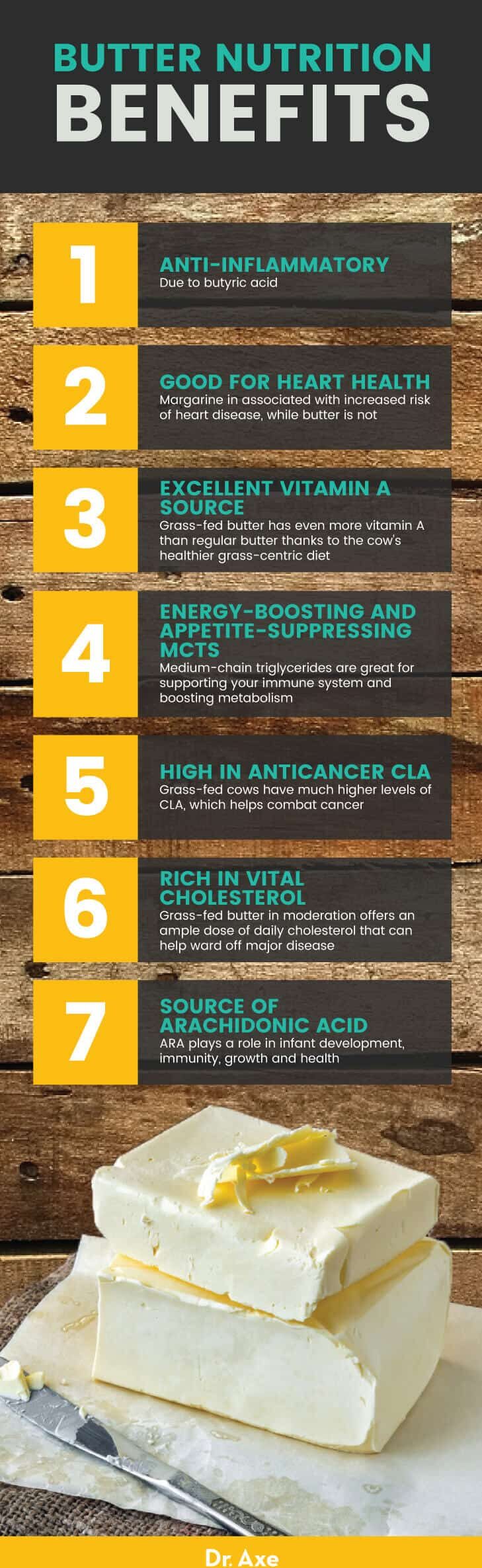
Perhaps the most celebrated fatty acid in grass-fed butter is Conjugated Linoleic Acid (CLA), specifically the cis-9, trans-11 isomer, often called rumenic acid. CLA is a naturally occurring trans-fat, but unlike the industrially produced trans-fats found in processed foods (which are detrimental), natural CLA is recognized for its potential health benefits. Ruminant animals, particularly when fed a grass-rich diet, produce CLA as a byproduct of microbial fermentation in their rumen.
- Anti-Carcinogenic Properties: Research, primarily in animal models and in vitro studies, suggests CLA may have potent anti-cancer effects, inhibiting tumor growth in various tissues.
- Anti-Inflammatory Effects: CLA has been shown to modulate immune responses and reduce markers of inflammation, which is crucial for preventing chronic diseases.
- Body Composition Benefits: Some studies indicate CLA might help reduce body fat and increase lean muscle mass, although human research results are mixed and often depend on the specific isomer and dosage.
- Immune Modulation: It appears to play a role in supporting immune function.
Grass-fed butter contains significantly higher levels of CLA (up to 3-5 times more) compared to butter from grain-fed cows, making it one of the best dietary sources of this remarkable compound.
2. Butyrate: The Gut Health Champion
Butter is one of the richest dietary sources of butyrate, a short-chain fatty acid (SCFA). While butyrate is primarily produced by beneficial gut bacteria when they ferment dietary fiber, direct consumption from butter offers a readily available supply.
- Gut Lining Integrity: Butyrate is the preferred fuel source for the cells lining the colon (colonocytes). It plays a crucial role in maintaining the integrity of the gut barrier, preventing "leaky gut" and supporting overall gut health.
- Anti-Inflammatory Effects: It exhibits powerful anti-inflammatory properties within the gut, which can be beneficial for conditions like inflammatory bowel disease (IBD) and irritable bowel syndrome (IBS).