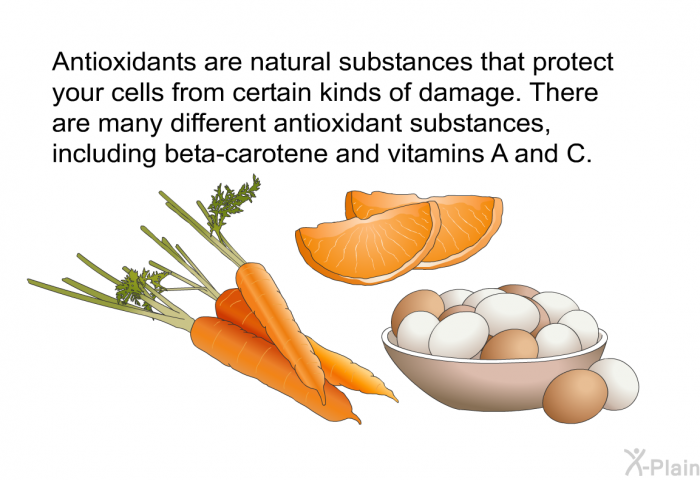
In the intricate universe of the human body, an invisible war rages ceaselessly. Every second, billions of our cells face an onslaught from relentless attackers, microscopic marauders known as free radicals. These rogue molecules, born from the very processes that sustain life – metabolism, respiration, even breathing – seek to destabilize, damage, and ultimately dismantle the delicate architecture of our cellular machinery. Left unchecked, their destructive rampage can pave the way for aging, chronic diseases, and a diminished quality of life. Yet, within this cellular battlefield, heroes emerge – valiant protectors that stand as our first line of defense, our vital Antioxidant Armor.
This is the story of one such hero, a vibrant, unassuming champion often recognized by its brilliant hue: Provitamin A. More than just a precursor to a vital vitamin, Provitamin A, primarily in the form of beta-carotene, is a direct participant in this cellular struggle, a powerful shield that intercepts and neutralizes threats, safeguarding the very foundations of our health. For the knowledgeable mind, this isn’t merely a biochemical pathway; it’s an epic tale of molecular resilience, a testament to nature’s profound wisdom in equipping us for survival.
The Invisible Enemy: Understanding the Scourge of Oxidative Stress
To truly appreciate the valor of Provitamin A, we must first understand the enemy it combats: oxidative stress. Imagine your cells as bustling cities, each organelle a critical building, each molecule a vital cog. Free radicals are like highly reactive, unstable vandals, each missing an electron, making them desperate to steal one from any molecule they encounter. This theft destabilizes the victim molecule, turning it into a new free radical, initiating a dangerous chain reaction that can spread through the cellular city like wildfire.
These destructive agents arise from a multitude of sources. Endogenously, they are an unavoidable byproduct of our very existence: the mitochondrial "power plants" that generate energy also leak free radicals, immune cells deploy them to fight pathogens (but sometimes cause collateral damage), and inflammatory responses churn them out. Exogenously, our modern world contributes significantly: pollution, cigarette smoke, excessive sun exposure (UV radiation), certain medications, industrial chemicals, and even some highly processed foods introduce torrents of these destabilizing molecules into our system.
The damage free radicals inflict is profound and multifaceted. They attack the delicate lipid membranes surrounding our cells, causing "lipid peroxidation" – akin to rust eating away at a protective barrier, compromising cellular integrity and communication. They can scramble the genetic code within our DNA, leading to mutations that are hallmarks of cancer. They can denature proteins, rendering enzymes dysfunctional and structural components weak. This cumulative damage, when it overwhelms the body’s natural defenses, is what we call oxidative stress – a state where the pro-oxidant forces overpower the antioxidant protectors, setting the stage for cellular dysfunction, accelerated aging, and the insidious onset of chronic diseases like heart disease, neurodegenerative disorders, and various cancers.
The Assembling of the Guardians: Our Intrinsic Antioxidant Defense System
Fortunately, our bodies are not defenseless. We possess an elaborate, sophisticated, and multi-layered antioxidant defense system, a veritable league of extraordinary molecular guardians designed to intercept and neutralize free radicals before they can inflict irreparable harm. This system comprises two main categories:
-
Enzymatic Antioxidants: These are the body’s highly efficient, internally produced machinery. Enzymes like Superoxide Dismutase (SOD), Catalase, and Glutathione Peroxidase act as rapid response teams, converting dangerous free radicals into less harmful molecules, often water and oxygen. They are the backbone of our primary defense, working tirelessly to manage the constant internal production of radicals.
-
Non-Enzymatic Antioxidants: These are the dietary warriors, often sourced from the vibrant tapestry of fruits and vegetables we consume. This category includes well-known champions like Vitamin C (ascorbic acid), Vitamin E (tocopherols), glutathione, flavonoids, and a vast array of phytonutrients, among which the carotenoids, including our hero Provitamin A, play a starring role. These molecules act by directly donating an electron to a free radical, neutralizing it and stopping the chain reaction. Crucially, they do so without becoming harmful free radicals themselves.
What makes this defense system truly remarkable is its synergistic nature. These antioxidants don’t work in isolation; they form a complex, interconnected network. For instance, Vitamin C can regenerate oxidized Vitamin E, allowing it to continue its protective duties. This intricate dance ensures that the cellular environment remains stable, maintaining the delicate balance between oxidative challenges and protective responses. When this balance is maintained, our cells thrive; when it falters, our health begins to erode.
Provitamin A: The Orange Crusader – Unveiling Our Specific Hero
Among the diverse array of non-enzymatic antioxidants, the carotenoids stand out as a family of particularly potent protectors. These are the pigments that imbue fruits and vegetables with their brilliant reds, oranges, and yellows. Within this family, Provitamin A carotenoids are unique: not only do they act as direct antioxidants, but a select few can also be converted by the body into Vitamin A (retinol), an essential nutrient vital for vision, immune function, cell growth, and reproduction. The most prominent members of this provitamin A cohort are beta-carotene, alpha-carotene, and beta-cryptoxanthin.
The Genesis of the Hero: Where Do We Find It?
The story of Provitamin A begins in the earth, under the sun. It is abundant in the very foods that form the cornerstone of a healthy diet:
- Carrots: The quintessential source, giving beta-carotene its name.
- Sweet Potatoes and Pumpkins: Rich, orange hues signal their high provitamin A content.
- Dark Leafy Greens: Spinach, kale, and collard greens, despite their green color, contain significant amounts, their orange pigments masked by chlorophyll.
- Apricots, Mangoes, and Papayas: Tropical fruits bursting with color and carotenoids.
This emphasizes a fundamental truth: nature provides our best armor in its purest, most synergistic form – through whole foods. The advice to "eat the rainbow" is, in essence, a call to assemble a diverse and powerful antioxidant defense team.
The Hero’s Journey: Absorption and Metabolism