The mirror can be a deceptive friend, reflecting back an image that often prioritizes aesthetics over the deeper, more complex story of our health. We scrutinize wrinkles, lament a developing sag, or celebrate a toned limb, yet often overlook one of the most powerful, yet often ignored, health indicators staring back at us: the waistline. It’s a simple measurement, a circumference taken with a tape measure, but for women, it acts as a silent sentinel, whispering – or sometimes shouting – profound truths about their metabolic well-being, their risk of chronic disease, and even their longevity.
To understand the story the average waist size tells, we must first embark on a journey that transcends fashion trends and societal ideals, delving into the very biology of our bodies, the hidden dangers of certain types of fat, and the intricate dance of hormones and inflammation that shape our health from within. It’s a narrative that begins not with vanity, but with vitality, and for many women, it’s a story that urgently needs to be heard.
The Unseen Threat: Visceral Fat and the Abdominal Story
Imagine two women, both the same height and weight. On the surface, they might appear quite similar. Yet, one could be metabolically healthy, while the other is a ticking time bomb for chronic illness. The key difference often lies in what’s beneath the surface, specifically the distribution of fat. Our bodies store fat in various places: subcutaneously, just under the skin (the pinchable kind), and viscerally, deep within the abdominal cavity, surrounding our vital organs like the liver, pancreas, and intestines. While subcutaneous fat, in moderation, is relatively benign and serves as an energy reserve and insulator, visceral fat is a far more insidious player.
The waist circumference primarily measures this accumulation of visceral fat. When we talk about an "apple" body shape versus a "pear" shape, we’re essentially talking about the prevalence of visceral fat. An apple shape, characterized by a larger waist relative to hips, indicates a higher proportion of visceral fat, whereas a pear shape, with fat concentrated in the hips and thighs, points to more subcutaneous fat. And it’s the apple shape that raises the red flags for health professionals.
Why is visceral fat so dangerous? It’s not just passive storage. Visceral fat is metabolically active, acting almost like an endocrine organ itself. It releases a cocktail of inflammatory compounds called cytokines (such as interleukin-6 and tumor necrosis factor-alpha), hormones (like resistin), and other bioactive molecules directly into the portal vein, which carries blood straight to the liver. This direct infusion of inflammatory and metabolic disruptors sets off a cascade of detrimental effects throughout the body, laying the groundwork for a host of chronic diseases.
This distinction is crucial for understanding why a woman with a seemingly "normal" Body Mass Index (BMI) can still be at high risk if her waist circumference is elevated. This phenomenon, sometimes called "TOFI" (Thin Outside, Fat Inside), highlights the limitations of BMI as a sole health indicator and underscores the power of the simple tape measure. Conversely, some women with a higher BMI due to a pear-shaped fat distribution or significant muscle mass might have lower visceral fat and therefore a healthier metabolic profile. The waistline, in essence, tells a more nuanced and often more accurate story about a woman’s internal landscape than her overall weight or BMI.
A Historical Perspective: From Corsets to Chronic Disease
The human relationship with the waistline has been a fascinating journey, often driven more by cultural aesthetics than by health imperatives. For centuries, women have contorted their bodies, from the tightly laced corsets of the Victorian era designed to achieve an impossibly small waist, to the flapper dresses of the 1920s that celebrated a more boyish, undefined silhouette. In these eras, the waist was a symbol of status, beauty, or rebellion, rarely a direct indicator of health risk.
However, as the 20th century progressed and public health evolved, so too did our understanding of disease. The rise of chronic conditions like heart disease, diabetes, and certain cancers, particularly in developed nations, shifted the focus. Scientists and medical professionals began to connect the dots between lifestyle factors, body composition, and disease prevalence. The Framingham Heart Study, a landmark longitudinal study, began to illuminate the complex interplay of risk factors for cardiovascular disease, gradually bringing body fat distribution into the spotlight.
By the late 20th and early 21st centuries, the scientific consensus solidified: a larger waist circumference, particularly in women, was not merely an aesthetic concern but a powerful, independent predictor of adverse health outcomes. The "average" waist size for women began to climb steadily in many parts of the world, mirroring the rise in obesity rates and the prevalence of sedentary lifestyles and processed food diets. This shift from an ideal of beauty to a marker of metabolic distress marked a critical turning point in how we view the female waistline. What was once cinched for fashion is now measured for survival.
The Science Unveiled: How Visceral Fat Ravages the Body
To truly appreciate the gravity of an expanding waistline, we must delve deeper into the physiological mechanisms through which visceral fat exerts its detrimental effects. It’s a complex interplay, but at its heart are three primary destructive pathways: chronic inflammation, hormonal disruption, and insulin resistance.
1. The Fire Within: Chronic Inflammation
Visceral fat cells are not benign storage depots; they are miniature factories churning out pro-inflammatory cytokines like IL-6, TNF-alpha, and CRP (C-reactive protein). These molecules are meant to be part of the body’s acute immune response, helping to heal injuries or fight infections. However, when they are chronically elevated due to excess visceral fat, they create a state of low-grade, systemic inflammation.
Imagine a smoldering fire within your body, constantly irritating and damaging tissues. This chronic inflammation is a major driver of numerous diseases. It can damage the delicate lining of blood vessels (endothelium), making them stiffer and more prone to plaque buildup (atherosclerosis). It can interfere with the signaling pathways of various hormones, particularly insulin. It contributes to the proliferation of abnormal cells, increasing cancer risk. The silent sentinel of the waistline is, in effect, reporting on the intensity of this internal inflammatory fire.
2. The Disrupted Orchestra: Hormonal Imbalance
Beyond inflammation, visceral fat actively disrupts the body’s intricate hormonal balance. Adipose tissue produces its own set of hormones called adipokines, which play critical roles in metabolism, appetite, and immune function. In the presence of excess visceral fat, the production of beneficial adipokines, such as adiponectin (which enhances insulin sensitivity and has anti-inflammatory properties), often decreases, while detrimental adipokines, like resistin (which promotes insulin resistance), increase.
Perhaps most critically, visceral fat affects the sensitivity of cells to insulin. It also plays a role in sex hormone balance. For women, increased abdominal fat can lead to higher levels of circulating estrogens, which, while seemingly counterintuitive, can increase the risk of hormone-sensitive cancers like breast and endometrial cancer. It also contributes to the hormonal chaos seen in conditions like Polycystic Ovary Syndrome (PCOS).
3. The Gateway to Disease: Insulin Resistance
The most significant and far-reaching consequence of visceral fat’s inflammatory and hormonal assault is insulin resistance. Insulin is a hormone produced by the pancreas that acts like a key, allowing glucose (sugar) from the bloodstream to enter cells for energy. When cells become resistant to insulin, they don’t respond effectively, meaning glucose can’t enter as easily.
To compensate, the pancreas works overtime, producing even more insulin. This hyperinsulinemia is itself problematic, promoting fat storage (especially visceral fat, creating a vicious cycle), increasing inflammation, and contributing to blood vessel damage. Eventually, the pancreas may become exhausted, leading to persistently high blood sugar levels – the hallmark of Type 2 Diabetes.
Insulin resistance is not just a precursor to diabetes; it’s a central feature of what is known as Metabolic Syndrome, a cluster of conditions that dramatically increases the risk of heart disease, stroke, and Type 2 Diabetes. The criteria for Metabolic Syndrome typically include:
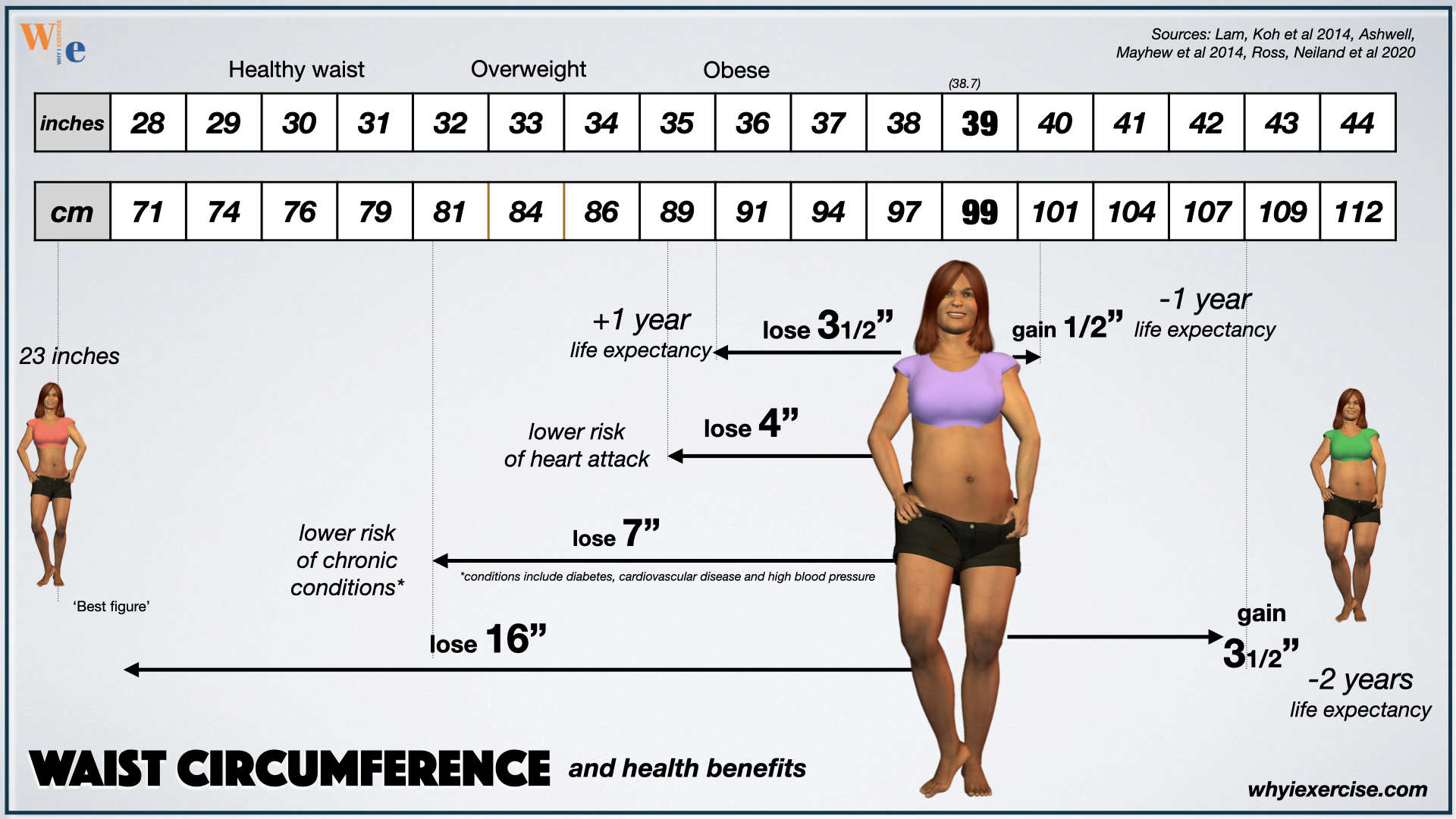
- Elevated Waist Circumference: (>35 inches or 88 cm for women)
- High Blood Pressure
- High Triglycerides
- Low HDL ("good") Cholesterol
- High Fasting Blood Glucose