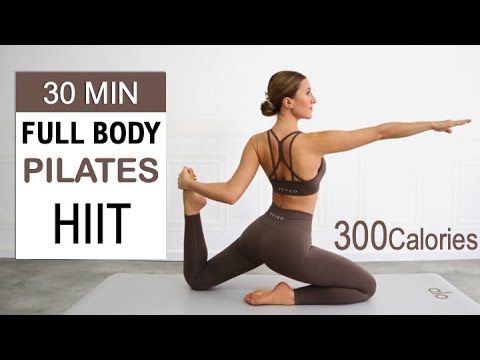
The quest for weight loss often feels like navigating a dense, ever-shifting forest, each path promising a unique salvation. From the whispered elegance of Pilates to the explosive roar of HIIT, the rhythmic hum of steady-state cardio, and the stoic challenge of resistance training, the fitness landscape offers a dizzying array of choices. For the knowledgeable individual, the sheer volume of conflicting advice can be as frustrating as it is overwhelming. We’ve all encountered the fervent evangelists for one modality over another, each armed with anecdotal evidence and selectively cited studies. But what if the "best" path isn’t a singular, brightly lit highway, but rather a complex, interconnected network, demanding a deeper understanding of our physiology, psychology, and personal inclinations?
This is not a simple comparison chart; it’s an exploration, a journey through the mechanics and merits of each major contender in the weight loss arena. We’ll delve beyond the superficial calorie counts and explore the nuanced ways these disciplines interact with our metabolism, hormones, and long-term adherence. Our goal is not to crown a single victor but to equip the discerning mind with the insights needed to forge a personalized, sustainable, and effective strategy.
The Unyielding Truth: Energy Balance and Its Nuances
Before we dissect the individual approaches, let us first acknowledge the bedrock principle of weight loss: the energy balance equation. Consistently expending more calories than you consume – creating a caloric deficit – is the non-negotiable prerequisite for adipose tissue reduction. This is irrefutable. However, where the conversation often veers into oversimplification is in assuming that a calorie is merely a calorie, or that the human body operates as a perfectly predictable thermodynamic system.
The reality is far more intricate. Our basal metabolic rate (BMR), the energy required to maintain basic bodily functions at rest, accounts for the largest portion of our daily caloric expenditure. Beyond this, the thermic effect of food (TEF) and non-exercise activity thermogenesis (NEAT) play significant, often underestimated, roles. Exercise, while potent, contributes a comparatively smaller, albeit crucial, percentage.
Furthermore, hormonal responses, gut microbiome composition, sleep quality, stress levels, and individual genetic predispositions all profoundly influence how efficiently we burn fat, store energy, and even perceive hunger and satiety. Weight loss, therefore, is not merely a mathematical exercise but a complex biological and psychological negotiation. Our chosen exercise modality impacts not just the "calories out" side of the equation, but also how our body manages the "calories in," how it adapts metabolically, and crucially, how likely we are to stick with it.
The Enduring Grace: Pilates – Core, Control, and Conscious Connection
Born from the ingenious mind of Joseph Pilates during the early 20th century, Pilates, originally termed "Contrology," is a method of exercise that focuses on strengthening the body with an emphasis on core strength, flexibility, balance, and improved posture. Often perceived as a gentle, almost therapeutic practice, its connection to the rigorous world of weight loss might seem tenuous at first glance. However, for the knowledgeable individual, its indirect, yet profound, contributions reveal a powerful synergy.
The Pilates Mechanism for Weight Loss: Beyond the Burn
While a typical Pilates session might not incinerate calories at the rate of a HIIT workout, its efficacy for weight loss stems from several critical pathways:
- Enhanced Body Awareness and Proprioception: Pilates cultivates a deep connection between mind and body. This heightened proprioception, the awareness of one’s body in space, extends beyond the mat. Individuals who practice Pilates often report making more mindful food choices, recognizing hunger and fullness cues more effectively, and generally adopting a more holistic approach to their well-being. This intrinsic shift towards conscious living can be a powerful, often overlooked, driver of sustainable weight management.
- Core Strength and Functional Movement: The "powerhouse" – the deep abdominal muscles, glutes, and pelvic floor – is the bedrock of Pilates. A strong core translates into more efficient and pain-free movement in daily life and during other forms of exercise. By improving posture and movement mechanics, Pilates can reduce the risk of injury, allowing for more consistent participation in higher-intensity activities like cardio or weightlifting, thereby indirectly contributing to a greater caloric expenditure over time.
- Lean Muscle Development and Toning: While not designed for hypertrophy in the same vein as resistance training, Pilates, especially on reformers and other apparatus, does engage muscles under resistance. This leads to increased muscular endurance, improved muscle tone, and a more streamlined physique. More muscle, even subtly developed, contributes to a marginally higher BMR, making the body a slightly more efficient calorie-burning machine at rest.
- Stress Reduction and Hormonal Regulation: The controlled breathing and focused movements inherent in Pilates can be incredibly calming. In our chronically stressed world, elevated cortisol levels are often implicated in central adiposity (belly fat accumulation) and impaired insulin sensitivity. By promoting relaxation and reducing psychological stress, Pilates can help modulate cortisol, potentially aiding in fat distribution and metabolic health.
- Improved Flexibility and Mobility: Greater range of motion and flexibility allow for better execution of all physical tasks. This can mean deeper squats in the gym, a more powerful stride during a run, or simply the ability to move through life with greater ease, all of which support an active lifestyle conducive to weight management.
Pros & Cons for Weight Loss:
- Pros: Low impact (gentle on joints), accessible to a wide range of fitness levels (including rehabilitation), significant improvements in core strength, posture, flexibility, and balance. Fosters body awareness and stress reduction, which are crucial for long-term adherence and mindful living.
- Cons: Lower direct caloric expenditure per session compared to HIIT or intense cardio. Can be expensive if relying on studio classes or private instruction. The subtle benefits might not appeal to those seeking rapid, dramatic scale changes.
Pilates, then, is not the explosive fat incinerator, but rather the meticulous architect, building a foundation of strength, awareness, and resilience that supports the entire edifice of a healthy, weight-managed life. It’s the subtle whisper that reminds you to stand taller, breathe deeper, and move with intention, creating a ripple effect that extends far beyond the studio.
The Explosive Power: HIIT – Efficiency, EPOC, and Metabolic Mastery
In stark contrast to the deliberate pace of Pilates, High-Intensity Interval Training (HIIT) bursts onto the scene with a promise of maximal effort in minimal time. Characterized by short, intense bursts of anaerobic exercise followed by brief recovery periods, HIIT has become a darling of the fitness world, lauded for its efficiency and potent metabolic effects.
The HIIT Mechanism for Weight Loss: The Afterburn Effect and Beyond
HIIT’s efficacy for weight loss is multifaceted, hitting both direct and indirect caloric expenditure pathways with significant force:
- High Caloric Expenditure During Session: The immediate and obvious benefit of HIIT is its ability to burn a substantial number of calories in a relatively short period. Pushing the body to its anaerobic threshold during work intervals demands a tremendous amount of energy, making it highly efficient for creating a caloric deficit.