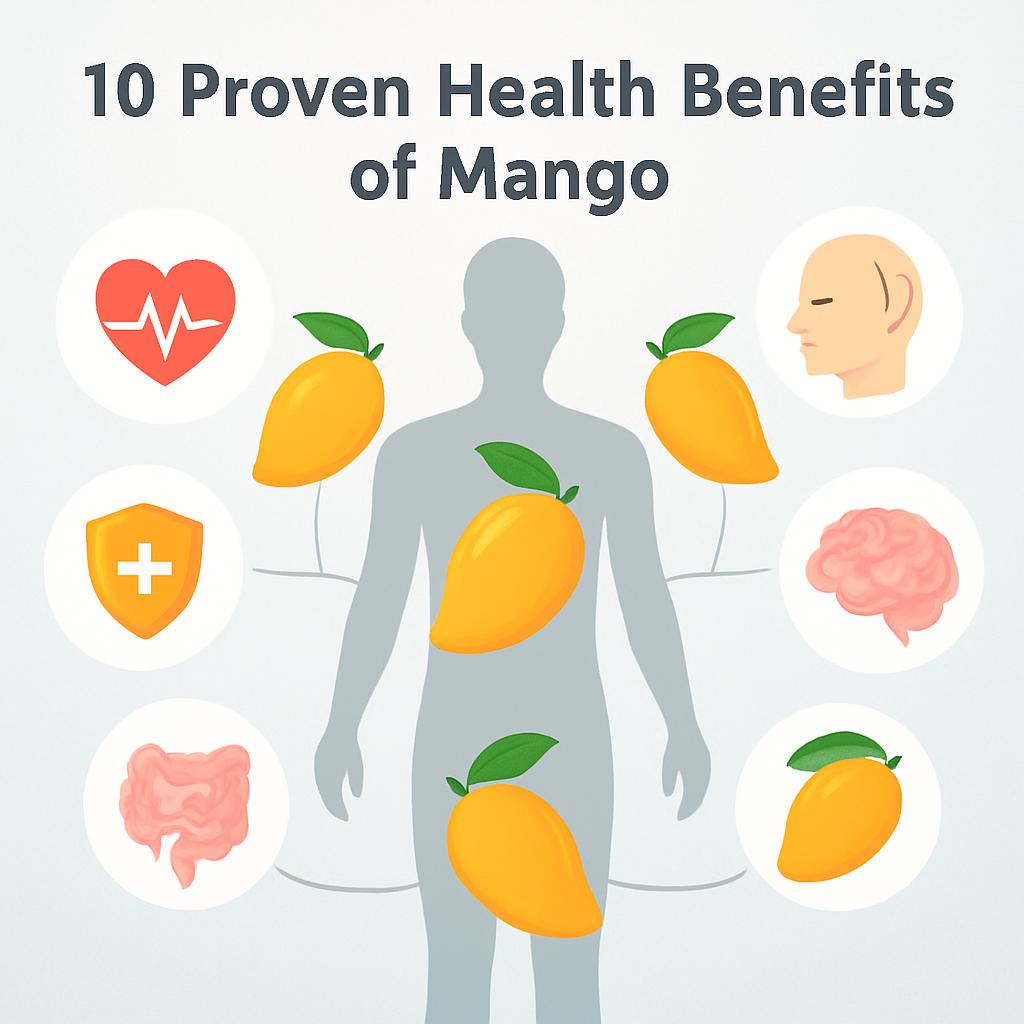
In the vibrant tapestry of nature’s bounty, few fruits command as much sensory delight and historical reverence as the mango. Its sun-kissed skin, often blushing with hues of red, yellow, and green, holds within it a succulent, fragrant flesh that transports the palate to tropical paradises. For millennia, cultures across the globe have celebrated the mango, not merely for its exquisite taste, but for an intuitive understanding of its profound health-giving properties. Today, as the veil of traditional wisdom meets the scrutiny of modern science, we are beginning to unravel the intricate mechanisms by which this "king of fruits" orchestrates a symphony of wellness within the human body.
This is not merely a tale of a sweet treat; it is a narrative deeply rooted in the very foundations of human health, beginning with the intricate world of our digestive system and extending its benevolent influence to the far reaches of our immune defenses. The journey from digestion to immunity is a complex dance, a delicate balance where the food we consume plays the leading role. And in this grand performance, the mango emerges as a virtuoso, offering a suite of science-backed benefits that are as compelling as they are delicious.
For the knowledgeable audience, those who seek to understand the ‘why’ behind the ‘what,’ this exploration delves into five key scientific pathways through which mangoes elevate our health. We will journey from the microscopic ecosystem of our gut microbiome to the cellular defenses of our immune system, discovering how this golden elixir, a humble fruit, stands as a testament to nature’s unparalleled pharmacy. Prepare to peel back the layers of sweetness and discover the profound science that makes the mango not just a fruit, but a foundational pillar of holistic well-being.
The Unseen Orchestra: Mangoes and the Gut Microbiome
Before we delve into specific benefits, it’s crucial to establish the stage upon which many of mango’s health benefits are performed: the human gut. Far from being a mere conduit for food, the gastrointestinal tract is a bustling metropolis, home to trillions of microorganisms collectively known as the gut microbiome. This unseen orchestra plays a pivotal role in virtually every aspect of our health, from nutrient absorption and vitamin synthesis to metabolic regulation and, critically, immune system modulation.
The relationship between the gut and the immune system, often referred to as the gut-immune axis, is profoundly intimate. Approximately 70-80% of the body’s immune cells reside in the gut-associated lymphoid tissue (GALT). A healthy, diverse microbiome is essential for training and maintaining these immune cells, ensuring they can differentiate between harmful pathogens and beneficial commensal bacteria, and preventing overreactions that can lead to inflammatory and autoimmune conditions. When the gut microbiome is imbalanced – a state known as dysbiosis – this delicate equilibrium is disrupted, paving the way for a cascade of health issues, including impaired immunity.
Mangoes, in their natural brilliance, are perfectly equipped to nourish this vital internal ecosystem. They are not merely a source of simple sugars; they are a complex matrix of dietary fiber, potent polyphenols, and unique digestive enzymes that work synergistically to foster a thriving gut environment. The soluble and insoluble fibers act as prebiotics, providing sustenance for beneficial gut bacteria, enabling them to flourish and produce short-chain fatty acids (SCFAs) like butyrate, which are crucial for gut barrier integrity and immune cell function. The diverse array of polyphenols, particularly mangiferin, further influences microbial composition, promoting a healthy balance and reducing inflammation.
Thus, the journey of the mango from our plate to our cells begins in the gut, where its compounds initiate a cascade of beneficial effects that ripple outwards, touching every system in the body. It is from this foundation of digestive harmony that the mango builds its reputation as a multifaceted guardian of health, an orchestrator of internal balance, setting the stage for the five key science-backed benefits we are about to explore.
1. Potent Digestive Support and Gut Health Enhancement
The most immediate and perhaps most intuitively understood benefit of mangoes lies in their remarkable capacity to bolster digestive health. This isn’t just about feeling "regular"; it’s about optimizing a complex system that is the gateway to nutrient absorption, detoxification, and immune integrity. Mangoes deliver a multifaceted approach to gut wellness, combining dietary fiber, unique digestive enzymes, and bioactive compounds.
At the forefront of mango’s digestive prowess is its rich fiber content. A single cup of mango provides a significant portion of the recommended daily intake for fiber, offering both soluble and insoluble forms. Insoluble fiber acts as a natural bulking agent, adding mass to stool and facilitating its smooth passage through the digestive tract. This helps prevent constipation, promotes regular bowel movements, and contributes to the efficient elimination of waste and toxins from the body. For the knowledgeable audience, this isn’t just about comfort; it’s about reducing the transit time of potentially harmful substances and maintaining the mechanical integrity of the colon.
Soluble fiber, on the other hand, plays a crucial prebiotic role. Once it reaches the large intestine, it becomes a fermentable substrate for beneficial gut bacteria, such as Bifidobacteria and Lactobacilli. These friendly microbes metabolize the soluble fiber, producing valuable short-chain fatty acids (SCFAs) like acetate, propionate, and butyrate. Butyrate, in particular, is a vital energy source for the cells lining the colon (colonocytes) and plays a critical role in maintaining the integrity of the intestinal barrier. A robust gut barrier prevents the leakage of undigested food particles, toxins, and microbes into the bloodstream, a phenomenon known as "leaky gut," which is implicated in systemic inflammation and various chronic diseases. By nourishing these beneficial bacteria, mangoes indirectly contribute to a stronger gut lining and a healthier internal environment.
Beyond fiber, mangoes contain naturally occurring digestive enzymes, particularly amylases. Amylases are enzymes that break down complex carbohydrates into simpler sugars, making them easier for the body to absorb. This enzymatic activity contributes to more efficient digestion, potentially reducing the burden on the body’s own enzyme production and alleviating symptoms of indigestion, bloating, and gas that can arise from incomplete carbohydrate breakdown. For individuals with compromised digestive function or those seeking to optimize nutrient extraction, this enzymatic support is a significant advantage.
Furthermore, the polyphenols in mangoes, especially mangiferin, have been shown to exert a beneficial influence on the gut microbiome. Research indicates that these compounds can modulate the composition and activity of gut bacteria, promoting the growth of beneficial species while inhibiting the proliferation of pathogenic ones. This selective influence helps maintain a state of eubiosis – a balanced and healthy microbial ecosystem – which is fundamental for overall digestive and immune health. The anti-inflammatory properties of these polyphenols also help soothe the gut lining, reducing irritation and promoting a calmer, more efficient digestive environment.
In essence, mangoes don’t just pass through the digestive system; they actively participate in its health and optimization. By providing the essential tools – fiber for bulk and prebiotics, enzymes for efficient breakdown, and polyphenols for microbial balance and anti-inflammation – mangoes ensure that the gut, the very foundation of our internal well-being, operates at its peak. This robust digestive support is the critical first step in harnessing the full spectrum of mango’s health benefits, setting the stage for a well-nourished body and a resilient immune system.
2. Immune System Fortification Through a Symphony of Nutrients
The human immune system is a marvel of biological engineering, a sophisticated network of cells, tissues, and organs that constantly defends the body against pathogens, toxins, and abnormal cells. Its strength and responsiveness are profoundly influenced by nutrition, and here, the mango shines as a true immune ally, delivering a concentrated dose of essential vitamins, minerals, and bioactive compounds that work in concert to bolster our defenses.
At the forefront of mango’s immune-boosting profile is its exceptional Vitamin C content. A single serving of mango can provide a significant portion of the daily recommended intake for this crucial micronutrient. Vitamin C is a powerful antioxidant that protects immune cells from oxidative damage, which can occur during the immune response. More directly, Vitamin C plays a vital role in the production and function of various immune cells, including phagocytes and lymphocytes. It enhances the activity of natural killer cells, which are critical for identifying and eliminating virus-infected cells and cancer cells. Furthermore, Vitamin C is essential for collagen synthesis, contributing to the integrity of physical barriers like the skin and mucous membranes, which serve as the body’s first line of defense against invading pathogens.
Beyond Vitamin C, mangoes are an excellent source of Vitamin A, primarily in the form of beta-carotene, a precursor carotenoid that the body converts into active Vitamin A. Vitamin A is often referred to as the "anti-infection vitamin" due to its critical role in maintaining the health of mucosal surfaces, such as those lining the respiratory, gastrointestinal, and genitourinary tracts. These mucous membranes act as physical barriers and contain immune cells that prevent pathogens from entering the body. Adequate Vitamin A is also essential for the proper development and function of various immune cells, including T-lymphocytes and B-lymphocytes, which are central to adaptive immunity. A deficiency in Vitamin A can severely impair immune responses, making individuals more susceptible to infections.
The immune-fortifying power of mangoes extends to its rich array of polyphenols, particularly mangiferin, gallotannins, and quercetin. These plant compounds are potent antioxidants and possess significant anti-inflammatory properties. Chronic low-grade inflammation can suppress immune function and make the body more vulnerable to disease. By reducing systemic inflammation, these polyphenols help create an optimal environment for immune cells to function effectively. Mangiferin, in particular, has been studied for its immunomodulatory effects, showing potential to enhance immune cell activity and reduce inflammatory markers, thereby contributing to a more balanced and responsive immune system.
Furthermore, mangoes provide other essential micronutrients that subtly support immune function, including several B vitamins and trace minerals like copper and folate. While not as overtly prominent as Vitamins C and A, these components contribute to the intricate biochemical pathways that govern immune cell metabolism and proliferation.
The synergy of these nutrients is what makes mangoes such a potent immune ally. It’s not just one compound acting in isolation, but a holistic combination that supports multiple facets of the immune response – from strengthening physical barriers and protecting cells from damage to enhancing the activity and differentiation of critical immune cells. By integrating mangoes into the diet, individuals can actively nourish their immune system, equipping it with the necessary tools to vigilantly defend against external threats and maintain internal harmony, completing the crucial link between what we digest and how robustly we resist disease.
3. Powerful Antioxidant Defense Against Cellular Damage
In the relentless march of cellular metabolism, our bodies constantly generate reactive oxygen species (ROS), often referred to as free radicals. These highly unstable molecules, also produced by environmental factors like pollution, UV radiation, and stress, can cause oxidative damage to cellular components such as DNA, proteins, and lipids. This cellular damage is a major contributing factor to aging, inflammation, and the development of numerous chronic diseases, including cardiovascular disease, neurodegenerative disorders, and various forms of cancer. Here, the mango steps forward as a formidable guardian, wielding a rich arsenal of antioxidants that actively neutralize these destructive forces.
The most celebrated antioxidant in mangoes is arguably mangiferin, a unique xanthone glucoside that is not widely found in other common fruits. Mangiferin’s antioxidant capacity is exceptionally high, rivaling or even surpassing that of other well-known antioxidants. It directly scavenges free radicals, effectively neutralizing them before they can inflict damage. Beyond direct scavenging, mangiferin also modulates antioxidant enzyme systems within the body, enhancing the body’s intrinsic defense mechanisms. This dual action makes mangiferin a powerful protector against oxidative stress, a key player in maintaining cellular integrity and longevity.
Complementing mangiferin is the abundant Vitamin C found in mangoes. As discussed in its immune role, Vitamin C is a water-soluble antioxidant that readily donates electrons to neutralize free radicals, particularly those generated in aqueous environments within cells. It also plays a crucial role in regenerating other antioxidants, such as Vitamin E, further extending the body’s antioxidant capacity. This makes Vitamin C a frontline defender against oxidative assaults.
Mangoes also contain significant amounts of carotenoids, including beta-carotene, lutein, and zeaxanthin. These fat-soluble pigments are responsible for the fruit’s vibrant yellow-orange hue and act as potent antioxidants, particularly in lipid-rich areas of the body like cell membranes. Beta-carotene, a precursor to Vitamin A, directly quenches singlet oxygen, a highly reactive form of oxygen, and other free radicals. Lutein and zeaxanthin are especially noted for their protective roles in the eyes, filtering harmful blue light and reducing oxidative stress in the retina, thereby guarding against age-related macular degeneration.
Furthermore, mangoes are home to a diverse array of other polyphenolic compounds, such as quercetin, gallotannins, and catechins. Each of these compounds contributes to the fruit’s overall antioxidant power, working synergistically to provide comprehensive protection. Quercetin, for instance, is a flavonoid with strong antioxidant and anti-inflammatory properties that have been linked to cardiovascular health and anti-cancer effects. Gallotannins contribute to the fruit’s ability to chelate metal ions, which can otherwise catalyze free radical formation.
The cumulative effect of these antioxidants is profound. They work together to reduce the overall oxidative load on the body, protecting cells from damage, preserving DNA integrity, and mitigating the inflammatory responses that often accompany oxidative stress. By incorporating mangoes into the diet, we provide our bodies with a robust defense system that actively combats the forces of cellular degradation, promoting health at a fundamental level and contributing to disease prevention and healthy aging. This pervasive antioxidant shield underscores the mango’s role not just as a delicious fruit, but as a critical component in the daily battle for cellular vitality.