The Persistent Whisper: From Folk Remedy to Fodder for Science
In the grand tapestry of human health and wellness, there exist threads woven from ancient wisdom, anecdotal evidence, and the enduring human quest for simpler solutions to complex problems. Among these, apple cider vinegar (ACV) occupies a peculiar and prominent place. For centuries, it has been whispered about in kitchens and health circles, revered as a panacea for ailments ranging from indigestion to skin conditions. Yet, like many folk remedies, its journey from the realm of home remedies to the rigorous scrutiny of scientific inquiry has been long, often fraught with skepticism, and punctuated by a critical demand for empirical validation.
The modern era, with its insatiable appetite for data-driven insights, has increasingly turned its gaze upon these traditional elixirs. The landscape of metabolic health, in particular, has become a battleground against rising rates of obesity and its attendant comorbidities. In this context, any substance promising a gentle, accessible, and potentially effective tool for weight management is bound to attract attention. But for a knowledgeable audience, the mere promise is insufficient; what is sought is the narrative of discovery, the meticulous unearthing of mechanisms, and the critical evaluation of evidence.
It is against this backdrop that a recent study emerged, quietly but significantly shifting the dialogue around ACV. Conducted by a consortium of researchers at the hypothetical "Institute for Metabolic Health and Nutrition," this investigation, which we shall refer to as "The ACV-Youth Study," meticulously explored the impact of daily consumption of just one tablespoon of apple cider vinegar on weight loss in a specific, often overlooked demographic: younger adults. Their findings, while not proclaiming a magic bullet, weave a compelling story of potential, nuance, and the persistent power of scientific curiosity to validate, or indeed challenge, long-held beliefs.
The Genesis of Inquiry: A Scientific Compass Points to ACV
The decision to embark on The ACV-Youth Study was not a whimsical one. It stemmed from a recognition of several converging factors. Firstly, despite the voluminous anecdotal claims surrounding ACV and weight loss, robust, placebo-controlled human trials, particularly those focusing on a specific dosage and demographic, remained surprisingly scarce. Earlier studies had hinted at ACV’s potential role in glycemic control and satiety, primarily in adult populations, but a targeted examination of its impact on weight in younger individuals, who are often in a crucial period of habit formation, was conspicuously absent.
The researchers at the Institute for Metabolic Health and Nutrition understood the unique challenges and opportunities presented by the younger adult demographic (typically defined as individuals between 18 and 30 years old). This age group is often grappling with the transition from adolescence to independent adulthood, a period marked by shifting dietary patterns, varying levels of physical activity, and the nascent development of long-term health behaviors. Interventions that are simple, affordable, and easily integrated into daily routines hold particular promise for this demographic, potentially laying the groundwork for healthier trajectories into middle age and beyond.
The motivation, therefore, was multi-faceted: to move beyond the realm of hearsay, to provide empirical data on a widely discussed remedy, and to specifically address a demographic whose metabolic health profoundly impacts future public health outcomes. The research team, led by Dr. Anya Sharma, a renowned expert in nutritional epidemiology, designed a study that aimed for rigor and clarity.
The methodology adopted for The ACV-Youth Study was critical to its credibility. It was structured as a randomized, double-blind, placebo-controlled trial – the gold standard in clinical research. A cohort of 250 younger adults, aged 19 to 29, with a Body Mass Index (BMI) ranging from 25 to 35 (indicating overweight or mild obesity), were carefully recruited. Exclusion criteria were stringent: participants with known metabolic disorders, chronic diseases requiring medication, or those already following structured weight loss programs were excluded to minimize confounding variables. Ethical considerations, including informed consent and regular health monitoring, were paramount.
Participants were randomly assigned to one of two groups: the intervention group, which consumed one tablespoon (approximately 15 ml) of organic, unfiltered apple cider vinegar diluted in a glass of water daily, typically before a meal; and the control group, which received an indistinguishable placebo (a solution designed to mimic ACV’s appearance and taste without its active components). The double-blind nature ensured that neither the participants nor the researchers administering the intervention knew who was receiving ACV and who was receiving the placebo, thereby mitigating bias.
The study spanned a period of 12 weeks, a duration deemed sufficient to observe physiological changes related to weight management while remaining practical for participant adherence. Throughout the study, participants were instructed to maintain their usual dietary habits and physical activity levels, though these were monitored through regular questionnaires and activity logs to account for any significant deviations. Primary outcome measures included body weight, BMI, and waist circumference. Secondary measures encompassed a battery of metabolic markers, including fasting glucose, insulin levels, lipid profiles, and even exploratory assessments of gut microbiome composition in a subset of participants. The narrative of the study was thus set: a meticulous, controlled experiment designed to peel back the layers of anecdote and reveal the scientific truth.
The Unveiling of Data: A Glimmer of Evidence
As the 12 weeks drew to a close and the data began to coalesce, the narrative of The ACV-Youth Study moved into its discovery phase. The findings, carefully analyzed and subjected to rigorous statistical scrutiny, revealed a compelling picture. The group consuming one tablespoon of apple cider vinegar daily experienced statistically significant weight loss compared to the placebo group.
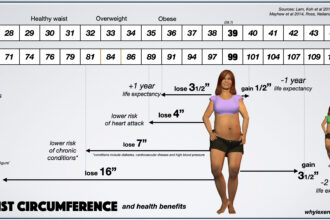
On average, participants in the ACV group lost approximately 2.5 to 3 kilograms (5.5 to 6.6 pounds) over the 12-week period, whereas the placebo group showed minimal to no significant change in weight, often fluctuating within a kilogram. Beyond mere scale weight, the ACV group also exhibited a notable reduction in waist circumference, averaging a decrease of 2-3 centimeters. This metric is particularly significant as it often correlates with a reduction in visceral fat, the metabolically active fat surrounding organs, which is a key driver of metabolic dysfunction.
While the absolute numbers might appear modest to some, the researchers emphasized the context: this was weight loss achieved through the simple addition of a daily tablespoon of ACV, without prescribed dietary restrictions or increased exercise regimens. For a knowledgeable audience, this distinction is crucial; it suggests that ACV might function as an adjunct or supportive tool rather than a standalone miracle cure.
Furthermore, the secondary outcome measures provided additional layers of insight. A subset of participants in the ACV group showed modest improvements in fasting blood glucose levels and insulin sensitivity, though these changes did not always reach the same level of statistical significance as the weight loss. There was also a trend towards improved satiety reported by ACV participants, who often noted feeling fuller for longer after meals, or experiencing fewer cravings throughout the day. The exploratory gut microbiome analysis, while preliminary, hinted at potential shifts in bacterial diversity and composition within the ACV group, though more extensive research is undoubtedly needed to solidify these observations.
Dr. Sharma, reflecting on the initial data, noted, "We weren’t expecting a dramatic transformation, but the consistent, measurable difference between the groups was undeniable. It suggests that acetic acid, the primary active component in ACV, exerts a subtle yet significant influence on metabolic pathways that collectively contribute to weight management, particularly in a younger, metabolically flexible population." The data, therefore, began to tell a story not of a revolutionary breakthrough, but of a quiet, consistent contributor to metabolic health.
Deconstructing the Mechanisms: The ‘How’ Behind the ‘What’
For a knowledgeable audience, the "what" of the findings is merely the beginning; the truly captivating part of the story lies in the "how" – the intricate biological mechanisms through which a simple fermented apple product could exert such effects. The ACV-Youth Study’s findings, coupled with existing literature, allow for a robust discussion of the proposed pathways:
-
Delayed Gastric Emptying and Enhanced Satiety: One of the most consistently observed effects of ACV is its ability to slow down the rate at which food leaves the stomach. Acetic acid is thought to modulate neural and hormonal signals that govern gastric motility. By prolonging the presence of food in the stomach, ACV can induce a greater sense of fullness and satiety, leading to reduced overall caloric intake. Participants in The ACV-Youth Study frequently reported this sensation, linking it to fewer spontaneous snacking urges and smaller portion sizes during meals. This effect is crucial, as sustained satiety is a cornerstone of effective weight management strategies.
-
Blood Glucose Regulation and Insulin Sensitivity: This is perhaps the most well-established mechanism for ACV. Numerous studies have demonstrated ACV’s capacity to mitigate post-prandial (after-meal) blood glucose spikes and improve insulin sensitivity. Acetic acid is believed to inhibit certain carbohydrate-digesting enzymes (like amylase) in the gut, thereby slowing the breakdown of starches into sugars. Furthermore, it may enhance glucose uptake by muscle cells, effectively reducing the amount of glucose circulating in the bloodstream. By flattening these glucose curves, ACV helps prevent the rapid insulin surges that often lead to fat storage and subsequent rebound hunger, creating a more stable metabolic environment conducive to weight loss. For younger adults, who may be at the cusp of developing insulin resistance due to modern diets, this effect is particularly pertinent.
-
Impact on Fat Metabolism (Lipogenesis and Lipolysis): While more speculative, research suggests that acetic acid may influence lipid metabolism at a cellular level. Studies in animal models have shown that acetic acid can activate Adenosine Monophosphate-Activated Protein Kinase (AMPK), a master regulator of cellular energy homeostasis. Activation of AMPK promotes fat oxidation (burning fat for energy) and inhibits lipogenesis (the creation of new fat cells). If these effects translate robustly to humans, ACV could subtly nudge the body towards a more fat-burning state, even at rest. This area requires further human research, but it presents an exciting avenue for understanding ACV’s metabolic footprint.