For generations, the natural scent of the human body, particularly the female body, has been shrouded in a veil of shame, misconception, and commercial exploitation. The vagina, a marvel of biological engineering and a cornerstone of female identity, has often been at the epicenter of this cultural anxiety. We are bombarded with messages that imply a healthy vagina is an odorless one, a sterile landscape devoid of any natural essence. This pervasive myth, peddled by the hygiene industry and perpetuated by a lack of open dialogue, has led countless individuals down a path of insecurity, harmful practices, and a profound disconnect from their own bodies.
But what if we were to challenge this narrative? What if we were to embrace the truth: that a healthy vagina, far from being odorless, possesses a subtle, complex, and ever-changing aroma – a unique signature as individual as a fingerprint? This scent is not a flaw to be masked, but a vital sign, a whisper from an intricate ecosystem, telling a story of balance, health, and physiological rhythm. To truly understand what a healthy vagina smells like, we must embark on a journey of demystification, shedding the layers of societal judgment and delving into the fascinating science and lived experience of this often-misunderstood aspect of female anatomy.
The Myth of the "Odorless" Vagina: A Historical Deception
The notion that the vagina should be "clean" and "odorless" is a relatively modern construct, intricately linked to the rise of commercial hygiene products in the late 19th and early 20th centuries. Before this era, while personal hygiene practices varied, the concept of a naturally scented body was simply a fact of life. Women used various methods for cleanliness, but the idea of completely eradicating natural body odor, especially from intimate areas, was not the pervasive cultural obsession it became.
With industrialization and advances in chemistry came the proliferation of soaps, deodorants, and, crucially, "feminine hygiene" products. Marketers shrewdly tapped into nascent anxieties about cleanliness, social acceptance, and female desirability. Advertisements began to subtly (and sometimes not-so-subtly) suggest that natural vaginal scent was a problem, a source of embarrassment that could alienate partners and diminish self-worth. Products promising "freshness" and "discretion" became essential, implying that without them, a woman was somehow unclean, undesirable, or even unhealthy.
This marketing strategy was incredibly effective, creating a market for products that were not only unnecessary but often harmful. It instilled a deep-seated fear of "feminine odor" that persists to this day, making it difficult for many to accept the natural, healthy aroma of their own bodies. The first step in understanding a healthy vagina’s smell is to consciously dismantle this myth and recognize that a complete absence of scent is neither natural nor a realistic expectation.
The Intricate Symphony of Scent: Why Vaginas Have a Smell
The vagina is not a sterile environment; it is a vibrant, dynamic ecosystem teeming with life. Its scent is a complex symphony composed of multiple players, each contributing to the overall olfactory experience. Understanding these components is key to appreciating the nuance of a healthy vaginal aroma.
The Microbiome: The Unsung Heroes of Vaginal Health
At the heart of vaginal scent lies the vaginal microbiome – a diverse community of microorganisms, predominantly bacteria, that reside within the vagina. This ecosystem is exquisitely balanced, with the star players being various species of Lactobacillus bacteria. These beneficial bacteria are like the guardians of the vagina, producing lactic acid and hydrogen peroxide, which maintain an acidic pH (typically between 3.8 and 4.5). This acidity is crucial; it creates an inhospitable environment for harmful pathogens like yeast and "bad" bacteria, acting as a natural defense mechanism against infections.
It is the metabolic activity of these lactobacilli, and other commensal bacteria, that produces volatile organic compounds (VOCs) – tiny molecules that evaporate and reach our olfactory receptors. Think of it like a tiny, invisible fermentation factory. Just as cheese, sourdough bread, or yogurt have distinct aromas due to microbial activity, so too does the vagina. The specific types and ratios of bacteria, along with their metabolic byproducts, directly influence the subtle nuances of scent.
Physiological Contributors: More Than Just Bacteria
Beyond the microbiome, several other physiological factors contribute to the vagina’s natural scent:
- Sweat Glands: The vulva (the external genital area) is rich in sweat glands, both eccrine (which produce watery sweat for cooling) and apocrine (which produce a thicker, milky fluid that, when broken down by skin bacteria, creates body odor). The combination of sweat and the bacteria on the skin of the vulva can contribute to a general musky body odor in the area.
- Sebaceous Glands: These glands produce sebum, an oily substance that lubricates the skin and hair. Sebum, too, has its own faint scent and can interact with bacteria on the skin.
- Vaginal Discharge: Throughout the menstrual cycle, the cervix and vaginal walls produce varying amounts of discharge. This discharge is a mixture of water, mucus, dead cells, and bacteria. Its consistency and volume change, and with it, its contribution to the overall scent profile. Discharge is a natural and healthy part of vaginal function, serving to clean and lubricate the vagina.
- Urine Residue: While the vagina and urethra are separate, small amounts of urine can sometimes linger on the vulva after urination, contributing a faint ammonia-like or slightly sulfuric scent if not completely wiped away. This is usually an external factor rather than an internal vaginal scent.
- Pheromones: While the science on human pheromones is still evolving, there’s evidence that we produce chemical signals that can influence behavior, including sexual attraction. These compounds, often found in sweat and other bodily secretions, could contribute to the unique and often subtle allure of an individual’s natural body scent, including that of the vagina.
Hormonal Fluctuations: The Ever-Changing Olfactory Landscape
The female body is a symphony of hormonal shifts, and these hormones exert a profound influence on the vaginal environment, including its scent.
- Menstrual Cycle: As estrogen and progesterone levels fluctuate throughout the month, they impact everything from cervical mucus production to the composition of the vaginal microbiome.
- Follicular Phase (pre-ovulation): Estrogen levels rise, often leading to more watery, clear discharge and a generally milder scent.
- Ovulation: Estrogen peaks, and cervical mucus becomes abundant, clear, and stretchy, resembling egg whites. This period might be associated with a slightly sweeter or more pronounced "fertile" scent due to changes in pH and discharge composition.
- Luteal Phase (post-ovulation): Progesterone rises, often making discharge thicker and creamier. The scent might become slightly muskier or more earthy.
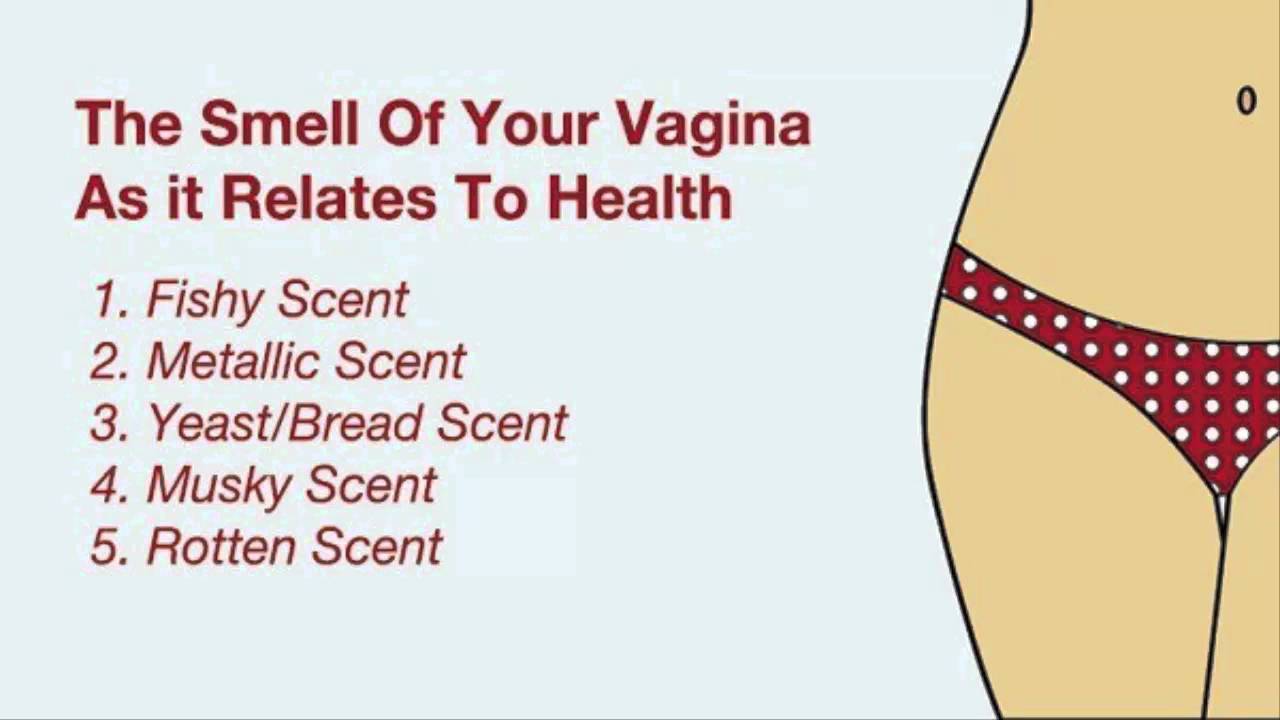
- Menstruation: The presence of blood introduces a distinct metallic, coppery, or iron-like smell. Blood has a higher pH than the typical vaginal environment, which can temporarily alter the microbial balance and thus the scent.