The mango, Mangifera indica, is more than just a fruit; it is a global phenomenon, revered across cultures for its luscious sweetness, vibrant color, and intoxicating aroma. From the bustling markets of Mumbai to the sun-drenched orchards of Mexico, its seasonal arrival is a cause for celebration, a sensory symphony that marks the peak of summer. Yet, beneath this delicious veneer lies a profound biochemical narrative, a complex interplay of compounds that transcends mere taste and texture, underpinning a wealth of health benefits that are only now beginning to be fully understood. This is the story of polyphenols and pectin, two seemingly disparate classes of molecules that, within the mango’s intricate matrix, engage in a hidden chemistry, orchestrating a ballet of molecular interactions that contribute significantly to the fruit’s renowned nutritional and therapeutic properties. For the knowledgeable connoisseur of health and science, unraveling this intricate partnership offers a deeper appreciation for nature’s pharmacy, revealing the mango not just as a fruit, but as a masterpiece of phytochemical engineering.
Pectin: The Architect of Texture and Gut Health
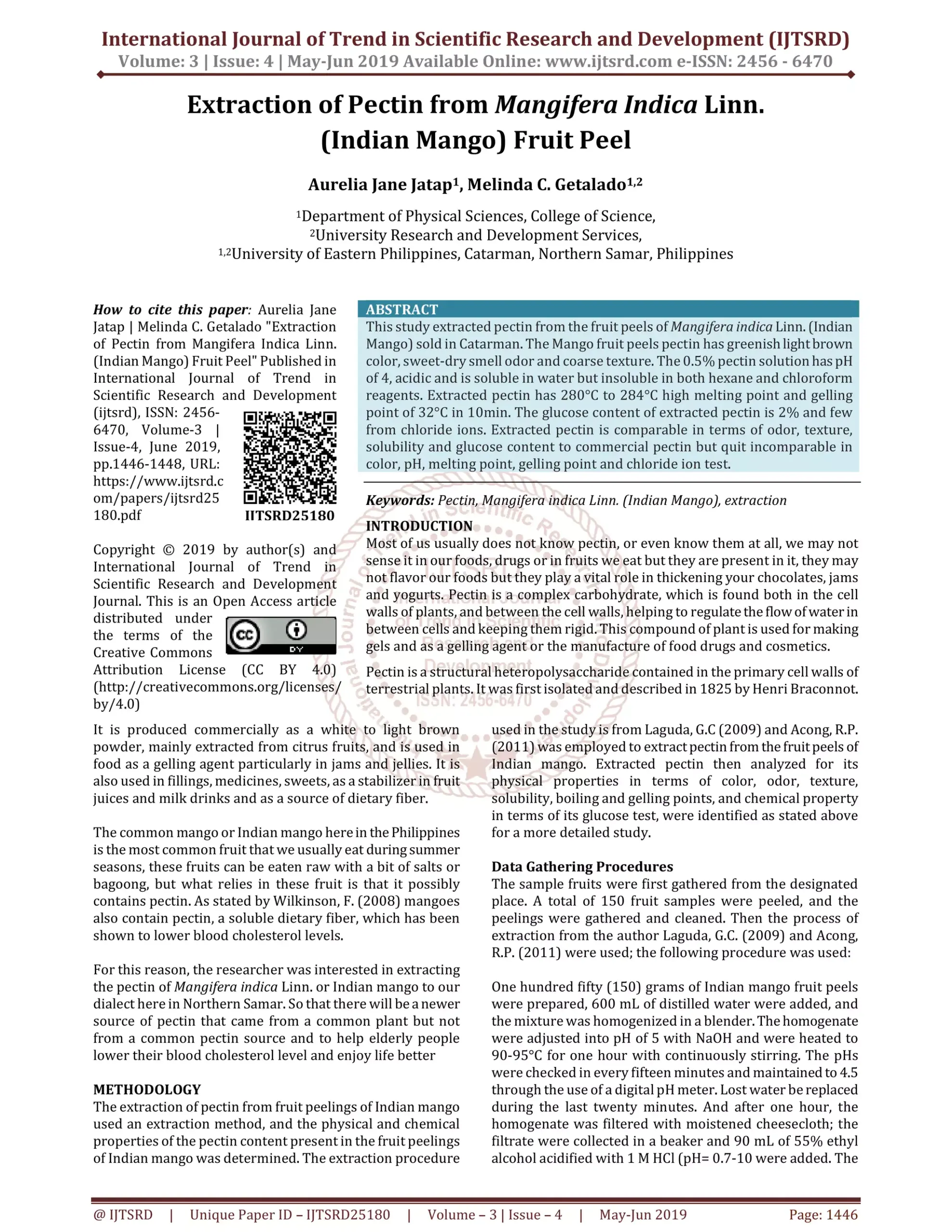
To truly appreciate the mango’s complexity, we must first dissect its fundamental structural components. Among these, pectin stands out as a critical player, not only dictating the fruit’s characteristic texture but also serving as a powerful ally for human gut health. Pectin is a complex polysaccharide, a type of soluble dietary fiber, primarily composed of chains of galacturonic acid units. It acts as the "glue" in plant cell walls, providing structural integrity and rigidity to fruits and vegetables.
The Molecular Architecture of Pectin:
Pectin’s structure is far from simple. It’s a heteropolysaccharide with a backbone primarily made of D-galacturonic acid residues linked by α-(1→4) glycosidic bonds. However, its complexity arises from several distinct regions:
- Homogalacturonan (HG): This is the most abundant region, a linear chain of α-(1→4)-linked D-galacturonic acid residues. Some of these carboxyl groups can be methyl-esterified, a crucial factor influencing pectin’s functional properties.
- Rhamnogalacturonan I (RG-I): This region features a backbone of alternating rhamnose and galacturonic acid units, with extensive side chains often containing arabinan and galactan sugars.
- Rhamnogalacturonan II (RG-II): A less abundant but highly complex region, RG-II has a backbone of galacturonic acid residues with multiple intricate side chains composed of various rare sugars.
The Degree of Methylation (DM) – the percentage of galacturonic acid carboxyl groups that are methyl-esterified – is a critical determinant of pectin’s behavior. High-methoxyl (HM) pectin (DM > 50%) requires sugar and acid to form gels, while low-methoxyl (LM) pectin (DM < 50%) can gel in the presence of divalent cations like calcium. This molecular nuance directly impacts the texture of fruits and their processing characteristics.
Pectin’s Role in the Mango Lifecycle:
In the mango, pectin undergoes a dramatic transformation during ripening. Immature mangoes are firm and often tart, owing to their high content of largely un-degraded, highly methylated pectin. As the fruit ripens, a suite of pectinolytic enzymes comes into play:
- Pectin Methyl Esterase (PME): This enzyme de-esterifies pectin, removing methyl groups and increasing the number of free carboxyl groups. This converts HM pectin to LM pectin.
- Polygalacturonase (PG) and Pectin Lyase (PL): These enzymes then cleave the pectin backbone, breaking down the long polysaccharide chains into smaller fragments.
This enzymatic degradation of pectin is the primary reason mangoes soften as they ripen, transitioning from a firm, almost crunchy texture to the characteristic juicy, melt-in-your-mouth consistency. Different mango cultivars exhibit varying pectin compositions and enzymatic activities, leading to distinct textural profiles. The optimal ripeness for consumption is a delicate balance, where sufficient pectin degradation has occurred for desired texture, but not so much that the fruit becomes mushy or loses its structural integrity.
Pectin and Human Health: The Dietary Fiber Perspective:
Beyond its structural role in the fruit, mango pectin is a powerhouse for human health, primarily due to its classification as a soluble dietary fiber. Its health benefits are manifold and well-documented:
- Satiety and Weight Management: Upon ingestion, pectin absorbs water in the digestive tract, forming a viscous gel. This gel slows gastric emptying, leading to a prolonged feeling of fullness and reducing overall calorie intake.
- Blood Sugar Regulation: The viscous pectin gel also entraps carbohydrates, slowing their digestion and absorption into the bloodstream. This helps to attenuate post-prandial blood glucose spikes, making pectin-rich foods like mango beneficial for individuals managing diabetes or seeking stable energy levels.
- Cholesterol Reduction: Pectin binds to bile acids in the small intestine. Bile acids, synthesized from cholesterol in the liver, are crucial for fat digestion. By binding to them, pectin prevents their reabsorption, forcing the liver to draw more cholesterol from the bloodstream to produce new bile acids, thereby lowering circulating LDL ("bad") cholesterol levels.
- Prebiotic Effects and Gut Microbiota Modulation: This is arguably pectin’s most significant contribution to health. As a non-digestible carbohydrate, pectin travels intact to the large intestine, where it becomes a preferential substrate for beneficial gut bacteria. These microbes ferment pectin, producing a range of valuable metabolites, primarily short-chain fatty acids (SCFAs) such as acetate, propionate, and butyrate.
- Butyrate: This SCFA is a primary energy source for colonocytes (cells lining the colon) and plays a crucial role in maintaining gut barrier integrity, reducing inflammation, and potentially offering protective effects against colorectal cancer.
- Acetate and Propionate: These SCFAs can be absorbed into the bloodstream and influence metabolic processes, including glucose homeostasis and lipid metabolism, contributing to overall metabolic health.
The fermentation of pectin by gut microbiota also lowers the pH of the colon, which can inhibit the growth of pathogenic bacteria and promote the proliferation of beneficial species, creating a healthier gut ecosystem.