The air crackles with an unseen tension as Sarah, a vibrant 52-year-old marketing executive, sits across from her doctor. For months, she’s felt like a stranger in her own skin. The sharp wit that once defined her in board meetings is dulled by a constant brain fog. Nights are a battlefield of sweat and wakefulness. Her once-unshakeable confidence has given way to an irritability she barely recognizes, a simmering resentment towards the world, and most acutely, towards her own body. "I just don’t feel like me anymore," she confides, her voice barely a whisper. "Is this… is this just how it is now?"
Sarah’s lament is a story echoed by millions of women navigating the tumultuous waters of perimenopause and menopause. For centuries, this biological transition was accepted as an inevitable decline, a quiet retreat from vitality. But in the last few decades, science, medicine, and women themselves have begun to challenge this narrative. At the heart of this evolving conversation lies Hormone Replacement Therapy (HRT), a treatment that has experienced a dramatic rollercoaster ride through public perception – from panacea to peril, and now, to a carefully considered option for reclaiming quality of life.
This article delves deep into the multifaceted world of HRT, exploring its history, mechanisms, benefits, risks, and the intricate process of deciding whether it’s the right path for you. We aim to move beyond the headlines and the fear, offering a nuanced, evidence-based perspective for the knowledgeable individual seeking to understand this powerful therapeutic intervention.
The Biological Blueprint: Understanding Menopause and Hormones
To comprehend HRT, we must first understand the biological shifts it seeks to address. Menopause, defined as 12 consecutive months without a menstrual period, marks the end of a woman’s reproductive years. It’s not an event, but a process, often preceded by several years of perimenopause, a time of erratic hormonal fluctuations.
The ovaries, once the primary factories of estrogen and progesterone, begin to wind down their operations. Estrogen, in particular, plays a far broader role than just reproduction. It’s a vital hormone influencing:
- Brain function: Mood, cognition, memory, sleep regulation.
- Bone health: Maintaining bone density.
- Cardiovascular health: Protecting blood vessels, influencing cholesterol.
- Genitourinary health: Maintaining vaginal and bladder tissue integrity.
- Skin and hair: Collagen production, elasticity.
- Temperature regulation: The hypothalamus, the body’s thermostat.
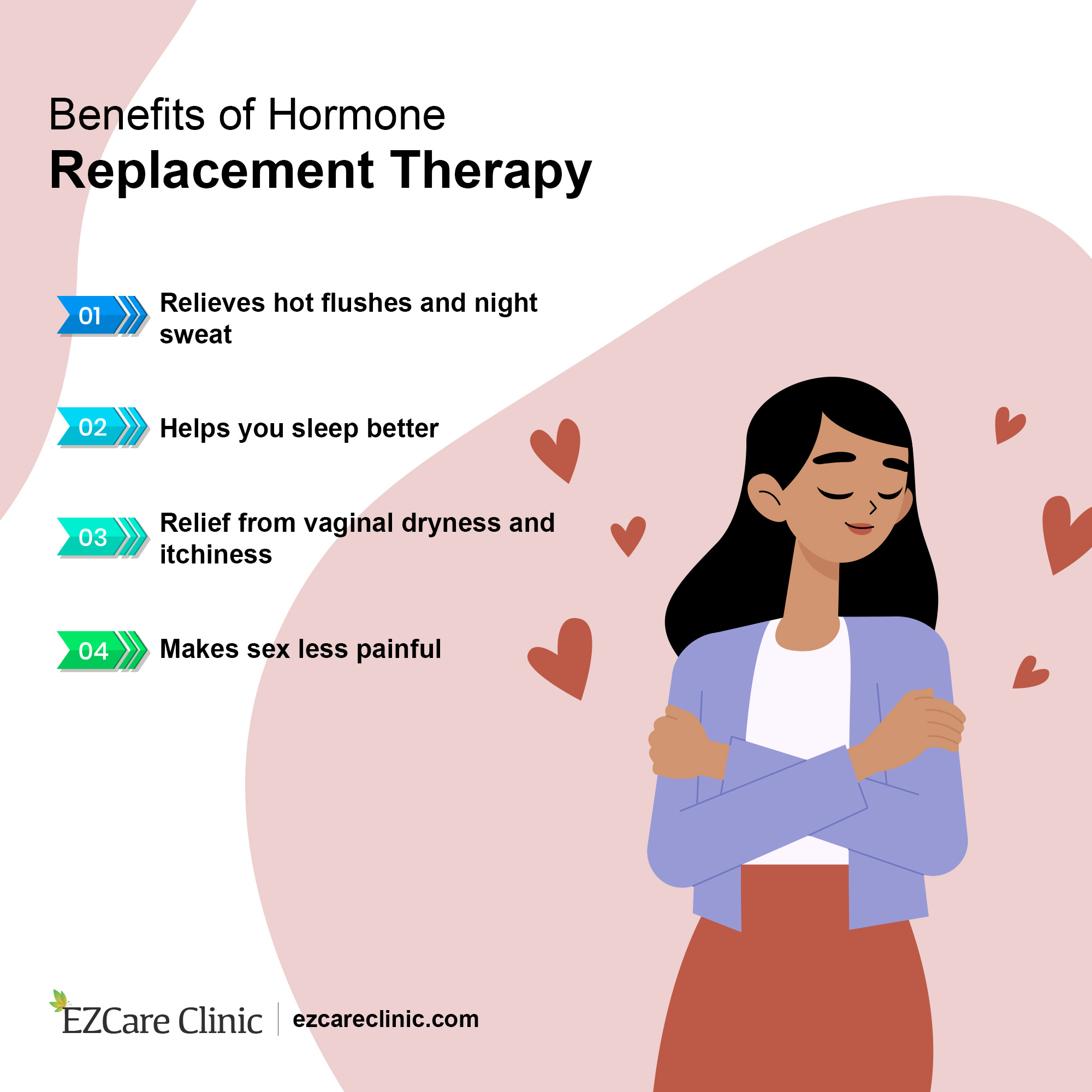
As estrogen levels plummet, this intricate system is thrown into disarray, leading to the constellation of symptoms Sarah and countless others experience: hot flashes, night sweats, vaginal dryness, painful intercourse, mood swings, anxiety, depression, sleep disturbances, brain fog, joint pain, and a heightened risk of osteoporosis and cardiovascular disease.
HRT, at its core, is about replacing these declining hormones, primarily estrogen, and often progesterone, to mitigate these symptoms and protect long-term health. But the simplicity of this concept belies a complex history and a wealth of ongoing research.
A Turbulent History: From Panacea to Pariah and Back Again
The story of HRT is a compelling narrative of scientific discovery, medical enthusiasm, public alarm, and cautious re-evaluation.
The Golden Age (1960s-1990s): Estrogen therapy first gained widespread popularity in the 1960s, hailed as an elixir of youth and vitality. Dr. Robert Wilson’s book, "Feminine Forever," captured the prevailing sentiment, promoting estrogen as a means to maintain youth, beauty, and sexual function. The addition of progestogens in the 1970s addressed the concern of endometrial cancer in women with an intact uterus (estrogen alone can stimulate endometrial growth). HRT became a standard treatment for menopausal symptoms and was widely believed to offer broad protective benefits against heart disease and osteoporosis. Millions of women embraced it, living longer, more active lives.
The Seismic Shock: The WHI Study (2002): This golden age came to an abrupt halt with the publication of the Women’s Health Initiative (WHI) study findings in 2002. The WHI, a large, randomized controlled trial, was designed to investigate the long-term health effects of HRT. Its initial results sent shockwaves through the medical community and the public. The study reported:
- An increased risk of breast cancer in women taking combined estrogen-progestin therapy.
- An increased risk of heart disease, stroke, and blood clots (venous thromboembolism) in the combined therapy group.
- An increased risk of stroke in the estrogen-only group.
The headlines were stark, often alarmist. Doctors rapidly de-prescribed HRT, and millions of women, including those who had found immense relief, stopped treatment overnight. The perception of HRT shifted dramatically from a beneficial therapy to a dangerous one, leaving a lingering fear that persists to this day.
The Nuance and Re-evaluation (Post-2002): In the years following the initial WHI publication, a more detailed and nuanced understanding began to emerge. Researchers meticulously re-analyzed the data, considering factors like age, time since menopause, and type of HRT used. Key findings from subsequent analyses and new studies included:
- The "Timing Hypothesis": The WHI predominantly studied older women (average age 63) who were often many years past menopause onset. Subsequent research suggested that HRT initiated closer to menopause (within 10 years or before age 60) might have a different risk/benefit profile, particularly regarding cardiovascular health. This "window of opportunity" became a crucial concept.