For a woman, her vaginal health is often intimately tied to her sense of well-being, confidence, and even identity. When something goes awry in this delicate ecosystem, the impact can ripple through every aspect of her life – from daily comfort to intimacy, from self-perception to mental peace. The burning sensation is more than just physical discomfort; it’s a distress signal, a call to attention from a part of the body that demands respect and understanding.
This isn’t a simple tale with a single villain. Vaginal burning is a multifaceted mystery, a complex interplay of biology, environment, and sometimes, even psychology. It demands a detective’s eye, a keen understanding of the body’s intricate systems, and a willingness to explore various avenues to uncover its true origin. For the knowledgeable reader, this journey isn’t just about identifying causes; it’s about understanding the mechanisms, the nuances of diagnosis, and the pathways to reclaiming comfort and control.
Let’s embark on this investigative journey together, delving into seven of the most common and significant reasons behind that unsettling vaginal burn.
The Body’s Alarm: What Causes Vaginal Burning?
1. The Microbial Melee: Common Vaginal Infections
The vagina is a bustling metropolis of microorganisms, a delicate balance of bacteria, yeasts, and other inhabitants. When this finely tuned ecosystem is disrupted, specific residents can overgrow or new invaders can take hold, triggering a cascade of inflammatory responses that often manifest as burning. These are frequently the first culprits considered, and for good reason, as they account for a significant percentage of reported symptoms.
a. Yeast Infection (Vulvovaginal Candidiasis): The Fungal Fury
Imagine a serene garden suddenly overrun by an aggressive weed. That’s often what happens with a yeast infection. Candida albicans, a type of fungus, normally lives in harmony within the vagina. However, factors like antibiotic use (which kills beneficial bacteria), hormonal changes (pregnancy, birth control), uncontrolled diabetes, or a weakened immune system can create an environment where Candida proliferates unchecked.
How it causes burning: The overgrowth of Candida triggers an inflammatory response in the delicate tissues of the vulva and vagina. The yeast produces enzymes and toxins that irritate the mucosal lining, leading to redness, swelling, and an intense, relentless itch. This irritation and inflammation are the direct cause of the burning sensation, which can range from mild to excruciating.
Associated Symptoms:
- Intense itching, often worse at night.
- Thick, white, "cottage cheese-like" discharge.
- Redness and swelling of the vulva and vaginal opening.
- Soreness or pain during intercourse.
- Sometimes, small cracks or fissures in the irritated skin.
The Diagnostic Lens: Diagnosis typically involves a physical exam and a microscopic examination of a vaginal swab (wet mount) to identify the characteristic yeast cells and pseudohyphae. Vaginal pH is usually normal (below 4.5).
The Treatment Path: Antifungal medications, available as oral pills (fluconazole) or topical creams/suppositories (clotrimazole, miconazole), are highly effective. For recurrent infections, longer courses or maintenance therapy may be recommended.
b. Bacterial Vaginosis (BV): The pH Purge
BV is not technically an infection by an external pathogen, but rather an imbalance of the naturally occurring bacteria in the vagina. The protective Lactobacillus species, which produce lactic acid to maintain an acidic pH (3.8-4.5), become depleted. This allows an overgrowth of anaerobic bacteria (like Gardnerella vaginalis) that thrive in a less acidic, higher pH environment.
How it causes burning: The anaerobic bacteria produce amines and other metabolic byproducts that are irritating to the vaginal tissues. This shift in the microbial landscape and the subsequent inflammatory reaction cause the burning, often accompanied by a distinct odor. The disruption of the normal flora also makes the vaginal lining more susceptible to irritation.
Associated Symptoms:
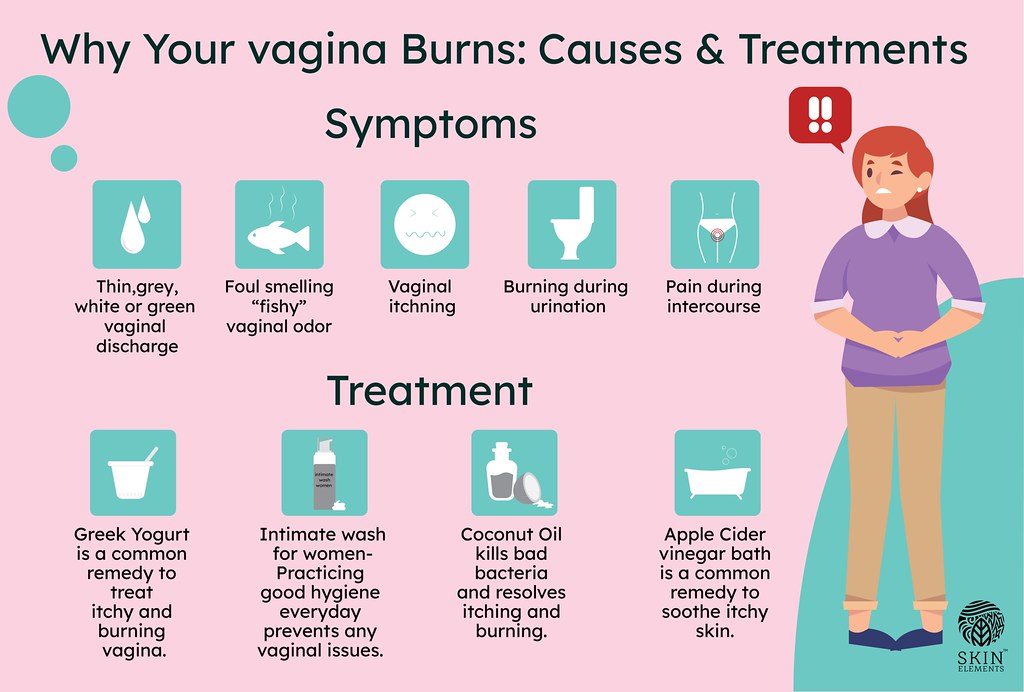
- A thin, grayish-white vaginal discharge.
- A strong, "fishy" odor, especially noticeable after intercourse or during menstruation.
- Itching, though often less intense than with yeast infections.
- Pain during intercourse.