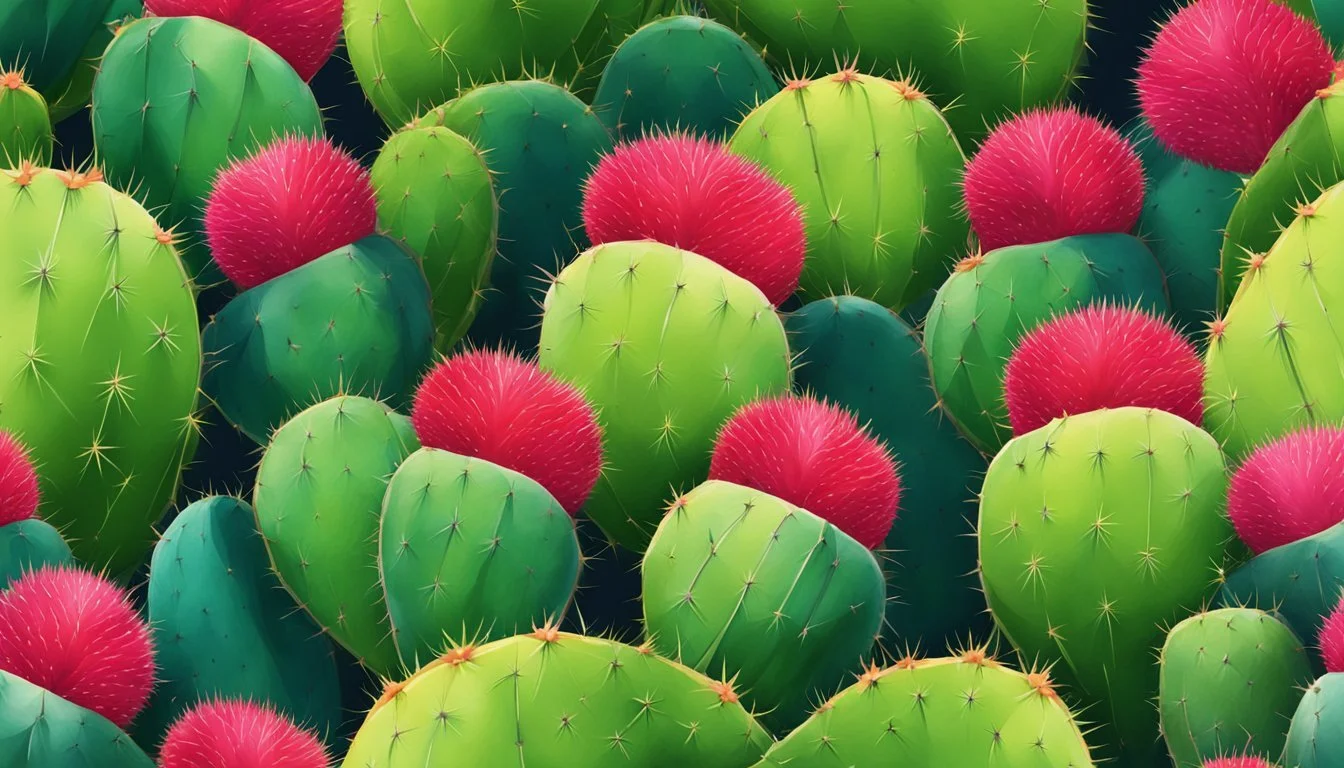
In the vast, sun-drenched canvases of arid lands, where survival itself is an art form, stands a plant that seems to defy the very harshness of its environment: the cactus. Often perceived as formidable, bristling sentinels of the desert, these plants hold within their grasp a secret – a jewel of vibrant color and potent vitality, known as the cactus fruit, or often, the prickly pear.
Imagine a fruit so bold, it flaunts its vivid hues – fuchsia, orange, emerald green – against the stark backdrop of sand and rock. A fruit so resilient, it thrives where others wither. Yet, beneath its seemingly formidable, spiny exterior lies a soft, sweet flesh, brimming with a surprising array of health benefits that have been cherished by indigenous cultures for millennia and are now catching the discerning eye of modern science.
This isn’t merely a tale of a fruit; it’s a narrative woven through centuries, from ancient Mesoamerican civilizations who revered it as a symbol of life and sustenance, to contemporary health enthusiasts seeking nature’s answers to modern ailments. The cactus fruit, scientifically known as Opuntia ficus-indica, is far more than just a sweet treat. It is a testament to nature’s ingenuity, a "prickly but powerful" powerhouse waiting to reveal its secrets. Join us on a journey to uncover the seven surprising health benefits of this desert marvel, a story of ancient wisdom meeting contemporary wellness.
A Legacy Etched in Stone and Soil: The Cactus Fruit’s Rich History
To truly appreciate the cactus fruit, we must first understand its roots – not just in the soil, but in the tapestry of human history. For thousands of years, the prickly pear has been an indispensable part of life for cultures across the Americas, particularly in Mexico and the American Southwest. The Aztecs, a civilization renowned for its sophisticated understanding of nature, depicted the nopal cactus (the plant that bears the prickly pear) on their sacred codices and even in the symbol of their capital city, Tenochtitlan (modern-day Mexico City). It wasn’t just food; it was medicine, a building material, a source of dye, and a potent symbol of resilience and life itself.
Ancient healers utilized the fruit and pads (nopales) to treat a myriad of conditions, from fevers and inflammation to diabetes and digestive issues. They understood, through generations of observation and practice, that this desert denizen held remarkable properties. When Spanish conquistadors arrived in the New World, they quickly recognized the value of the prickly pear and carried it across oceans, introducing it to Europe, Africa, and Asia, where it adapted remarkably well to similar arid climates. It became a staple in Mediterranean diets, further solidifying its global significance.
This historical journey underscores a fundamental truth: the cactus fruit’s benefits are not a new discovery but a rediscovery, validated by modern scientific inquiry. Its ability to sustain life in harsh conditions hints at the potent compounds it must possess – compounds that offer a surprising bounty of health advantages for us today.
The Nutritional Heartbeat: What Makes Cactus Fruit So Potent?
Before we delve into its specific benefits, let’s take a moment to understand the nutritional symphony playing within each vibrant fruit. The prickly pear is a low-calorie, high-fiber powerhouse, packed with an impressive array of vitamins, minerals, and unique phytochemicals.
- Vitamins: It’s an excellent source of Vitamin C, a crucial antioxidant and immune booster. It also provides B vitamins, including B6, thiamine, and riboflavin, which are vital for energy metabolism and nervous system function.
- Minerals: A true mineral trove, cactus fruit offers significant amounts of magnesium, essential for muscle and nerve function, blood sugar control, and blood pressure regulation. Potassium, vital for fluid balance and heart health, is also abundant. Calcium, usually associated with dairy, is present in notable quantities, contributing to bone health.
- Fiber: Both soluble and insoluble fibers are found in the fruit. Insoluble fiber aids in digestive regularity, while soluble fiber helps regulate blood sugar and cholesterol levels.
- Antioxidants: This is where the cactus fruit truly shines. It boasts unique and powerful antioxidants, most notably betalains. These vibrant pigments are responsible for the fruit’s striking red and purple hues and are potent scavengers of free radicals. Other antioxidants include various flavonoids and phenolic compounds, all working synergistically to protect the body from oxidative stress.
- Water Content: Given its desert origins, it’s no surprise that the fruit is incredibly hydrating, composed of about 80-90% water, making it excellent for electrolyte replenishment.
This rich nutritional profile forms the bedrock of its surprising health benefits. Let’s explore them in detail.
1. The Antioxidant & Anti-Inflammatory Powerhouse: Battling Oxidative Stress
Perhaps the most celebrated aspect of the cactus fruit is its extraordinary antioxidant capacity, largely attributed to its unique class of pigments called betalains. These are the same compounds found in beets, but the betalains in prickly pear (specifically betanin and indicaxanthin) are particularly potent.
The Story: Imagine your body as a complex machine constantly under attack from tiny, rogue molecules called free radicals. These free radicals, generated by normal metabolic processes, environmental toxins, and stress, cause "oxidative stress," leading to cellular damage, premature aging, and the genesis of chronic diseases like heart disease, cancer, and neurodegenerative disorders. Antioxidants are your body’s valiant defenders, neutralizing these free radicals and protecting your cells.
Cactus fruit acts as a formidable shield. Its betalains and other phenolic compounds actively seek out and neutralize free radicals, preventing them from wreaking havoc. Studies have shown that the antioxidant activity of prickly pear can be remarkably high, even surpassing that of some other well-known antioxidant-rich fruits.
Furthermore, oxidative stress often triggers inflammation, another root cause of many chronic diseases. The anti-inflammatory properties of cactus fruit are equally impressive. Betalains have been shown to inhibit pro-inflammatory enzymes and pathways in the body, effectively calming the cellular storm. This dual action – fighting oxidative stress and quelling inflammation – makes the cactus fruit a powerful ally in the prevention and management of a wide spectrum of health issues, from arthritis to cardiovascular disease. It’s like having a natural internal repair crew, diligently working to maintain cellular harmony.
2. Digestive Wellness & Gut Microbiome Support: A Happy Gut, a Healthy You
In our modern world, digestive issues are rampant, often stemming from poor diet, stress, and an imbalance in our gut microbiome – the vast community of microorganisms residing in our intestines. The cactus fruit offers a delicious and natural solution to cultivate a thriving digestive system.
The Story: Think of your gut as a complex garden. For it to flourish, it needs the right nourishment and a balanced ecosystem. Cactus fruit provides this in spades, primarily through its abundant fiber content. It contains both insoluble and soluble fiber.
- Insoluble fiber acts like a broom, adding bulk to stool and facilitating its smooth passage through the digestive tract. This helps prevent constipation, promotes regularity, and contributes to a healthy colon. By ensuring efficient waste removal, it also reduces the exposure of the colon lining to potential toxins.
- Soluble fiber, on the other hand, forms a gel-like substance in the digestive tract. This not only helps slow down the absorption of sugars and fats (which we’ll discuss later) but also acts as a prebiotic. Prebiotics are non-digestible food components that selectively stimulate the growth and activity of beneficial bacteria in the gut, such as Bifidobacteria and Lactobacilli. These "good" bacteria are crucial for nutrient absorption, vitamin synthesis, immune function, and even mood regulation.