The mango. Just uttering its name conjures images of sun-drenched landscapes, vibrant hues of gold, crimson, and green, and a taste that is an unparalleled symphony of sweetness and subtle tang. For many, it’s the quintessential taste of summer, a juicy escape, a tropical dream. We meticulously peel away its inviting skin, discarding what we deem as mere packaging, eager to plunge into the succulent, golden flesh within. But what if, in our haste to reach the familiar, we’ve been inadvertently discarding a treasure trove of healing power? What if the true story of the mango, the complete narrative of its astonishing health benefits, begins not with the peeling, but with a radical re-evaluation of the entire fruit?
This is the story of "Stop Peeling, Start Healing," a journey into the surprising, often overlooked, and profoundly therapeutic world of the mango, a fruit whose full potential lies far beyond its delicious pulp. It’s a tale that weaves together ancient wisdom, cutting-edge science, and a call to embrace a more holistic appreciation for nature’s bounty.
The Golden Heart: Acknowledging the Beloved Pulp
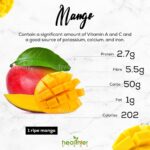
Before we embark on our journey to the lesser-known realms of the mango, let us first pay homage to the heart of the fruit – its glorious pulp. This is where most of us begin our relationship with the mango, and for good reason. The pulp itself is a nutritional powerhouse, a vibrant testament to the sun’s energy, packed with vitamins, minerals, and antioxidants that have long earned it the title "King of Fruits."
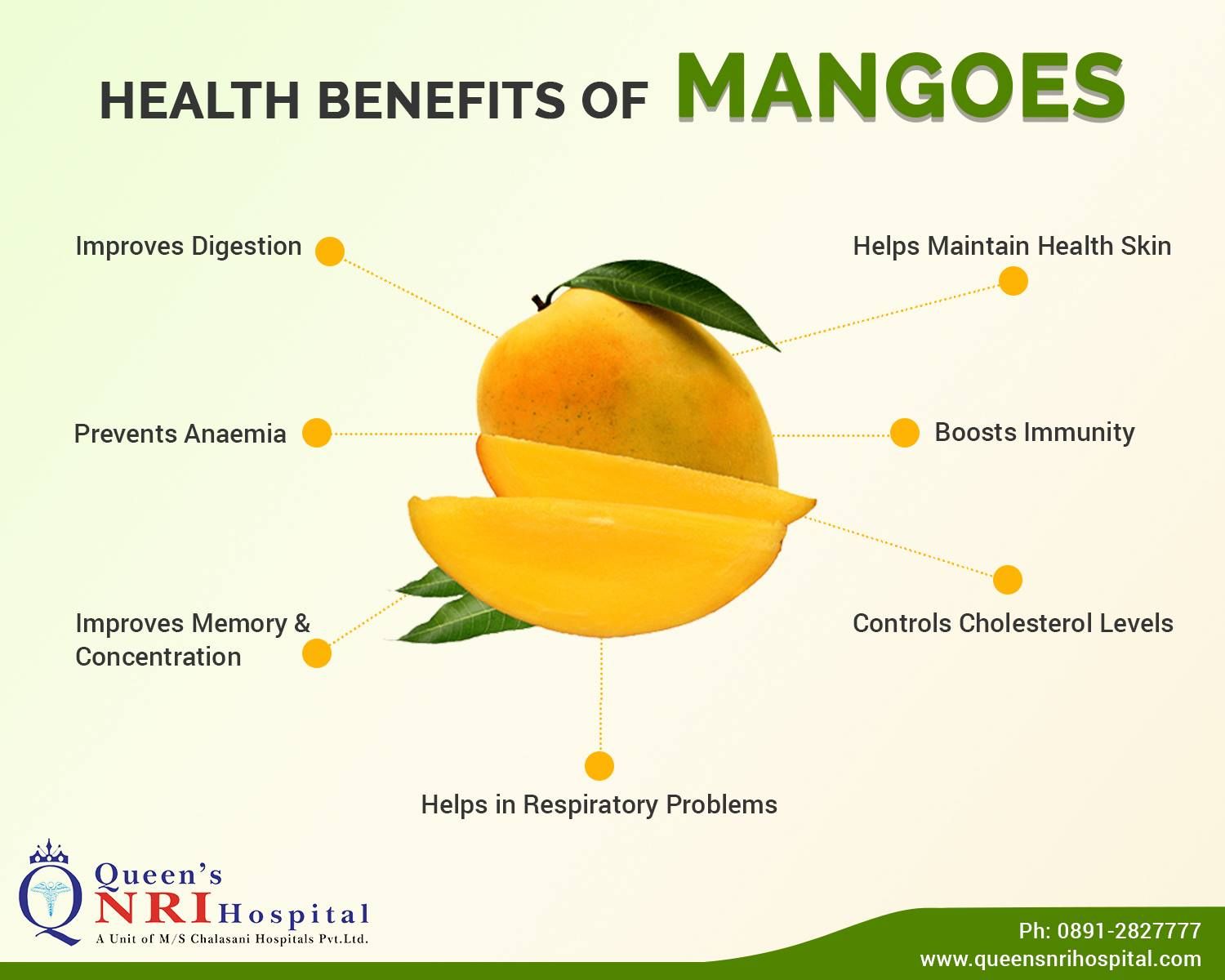
Vitamin C: A single mango can provide a significant portion of your daily Vitamin C needs. This essential vitamin is not merely an immune booster; it’s a vital component for collagen production, the structural protein that gives skin its elasticity and strength. It acts as a powerful antioxidant, neutralizing free radicals that contribute to aging and disease.
Vitamin A (Pro-vitamin A Carotenoids): The rich golden-orange hue of mango pulp is a direct indicator of its high concentration of beta-carotene, which the body converts into Vitamin A. This vitamin is crucial for healthy vision, particularly in low light, and plays a critical role in immune function, cell growth, and skin health. Lutein and zeaxanthin, other carotenoids present, are vital for eye health, protecting against age-related macular degeneration.
Dietary Fiber: Mangoes are an excellent source of dietary fiber, both soluble and insoluble. This fiber is the unsung hero of digestive health, promoting regularity, preventing constipation, and feeding beneficial gut bacteria. A healthy gut microbiome, in turn, influences everything from immunity to mood and even weight management.
B Vitamins: The pulp contains various B vitamins, including B6 (pyridoxine), which is essential for brain development and function, and B9 (folate), critical for cell growth and DNA synthesis.
Minerals: Potassium, magnesium, and copper are among the minerals found in mango pulp, contributing to heart health, nerve function, and red blood cell formation.
Polyphenols and Antioxidants: Beyond the well-known vitamins, mango pulp is rich in a spectrum of polyphenols, including gallic acid, quercetin, and fisetin. These compounds are potent antioxidants, battling oxidative stress and inflammation throughout the body, offering protective effects against chronic diseases like heart disease and certain cancers.
The sweet, juicy pulp is undeniably a gift – a delicious way to nourish the body and delight the senses. But our story doesn’t end here. It merely sets the stage for a deeper understanding, a revelation that challenges our conventional wisdom about how to consume this magnificent fruit.
The Unsung Hero: Embracing the Skin
Here’s where the narrative truly shifts: "Stop Peeling." For generations, we’ve been taught to discard the mango’s skin, viewing it as inedible, perhaps even undesirable. Yet, modern science and ancient traditions whisper a different truth: the skin of the mango is not just packaging; it’s a potent reservoir of unique bioactive compounds, often in higher concentrations than the pulp itself.
The primary reason for our reluctance to consume mango skin stems from its often bitter taste and fibrous texture, and sometimes, a concern about pesticides. However, with careful selection (opting for organic mangoes) and thorough washing, the skin unlocks a new dimension of health benefits.
Mangiferin: The Superstar Compound: If there’s one compound that elevates mango skin to "superfood" status, it’s mangiferin. While present in the pulp, its concentration is significantly higher in the skin. Mangiferin is a xanthonoid, a type of polyphenol with an extraordinary range of documented therapeutic properties:
- Potent Antioxidant: Mangiferin is a free radical scavenger par excellence, protecting cells from oxidative damage more effectively than many other well-known antioxidants.
- Anti-inflammatory: It modulates inflammatory pathways, offering potential relief for conditions characterized by chronic inflammation.
- Anti-diabetic: Research suggests mangiferin can help regulate blood sugar levels, improve insulin sensitivity, and protect pancreatic cells.
- Antiviral and Antimicrobial: Studies indicate mangiferin’s ability to inhibit the replication of various viruses and exhibit antibacterial properties.
- Cardioprotective: It supports heart health by improving lipid profiles, reducing oxidative stress in blood vessels, and potentially lowering blood pressure.
- Neuroprotective: Emerging research points to mangiferin’s potential to protect brain cells, enhance cognitive function, and offer benefits in neurodegenerative diseases.
- Anticancer Potential: Perhaps one of the most exciting areas of research, mangiferin has shown promising anti-cancer effects in various studies, inhibiting tumor growth, inducing apoptosis (programmed cell death) in cancer cells, and preventing metastasis.
Other Skin-Specific Polyphenols: Beyond mangiferin, mango skin is rich in other beneficial compounds:
- Quercetin: A well-known flavonoid with powerful antioxidant, anti-inflammatory, and antihistamine properties.
- Anthocyanins: Especially prominent in the red and purple varieties of mango skin, these pigments are potent antioxidants linked to heart health, improved brain function, and anti-cancer effects.
- Gallic Acid and Catechins: These polyphenols further contribute to the skin’s robust antioxidant and anti-inflammatory profile.