The Spark and the Blaze: A Primal Necessity, a Modern Scourge
Imagine a flickering ember, barely visible, deep within the intricate machinery of the human body. This ember is inflammation, a primal, ancient response, forged in the crucible of evolution as our first line of defense. For millennia, it was our ally, a swift and brutal guardian against infection, injury, and external threats. A cut finger, a viral invader, a broken bone – these would ignite a controlled, localized blaze, rallying immune cells, clearing debris, and initiating the intricate dance of repair. This acute inflammation, though uncomfortable, was a testament to our resilience, a necessary fire that burned fiercely but briefly, ultimately resolving and leaving behind a healed landscape.
But what if that fire never quite goes out? What if the embers continue to smolder, day after day, year after year, slowly charring the delicate tissues and vital organs from within? This is the insidious reality of chronic inflammation, a silent, pervasive fire that has become a defining characteristic – and a devastating threat – of modern human health. It’s a paradox: the very mechanism designed to protect us, when misregulated, turns into a relentless adversary, driving a litany of diseases that plague our society. From the aching joints of arthritis to the relentless march of heart disease, from the fog of neurodegeneration to the uncontrolled proliferation of cancer, chronic inflammation casts a long, dark shadow.
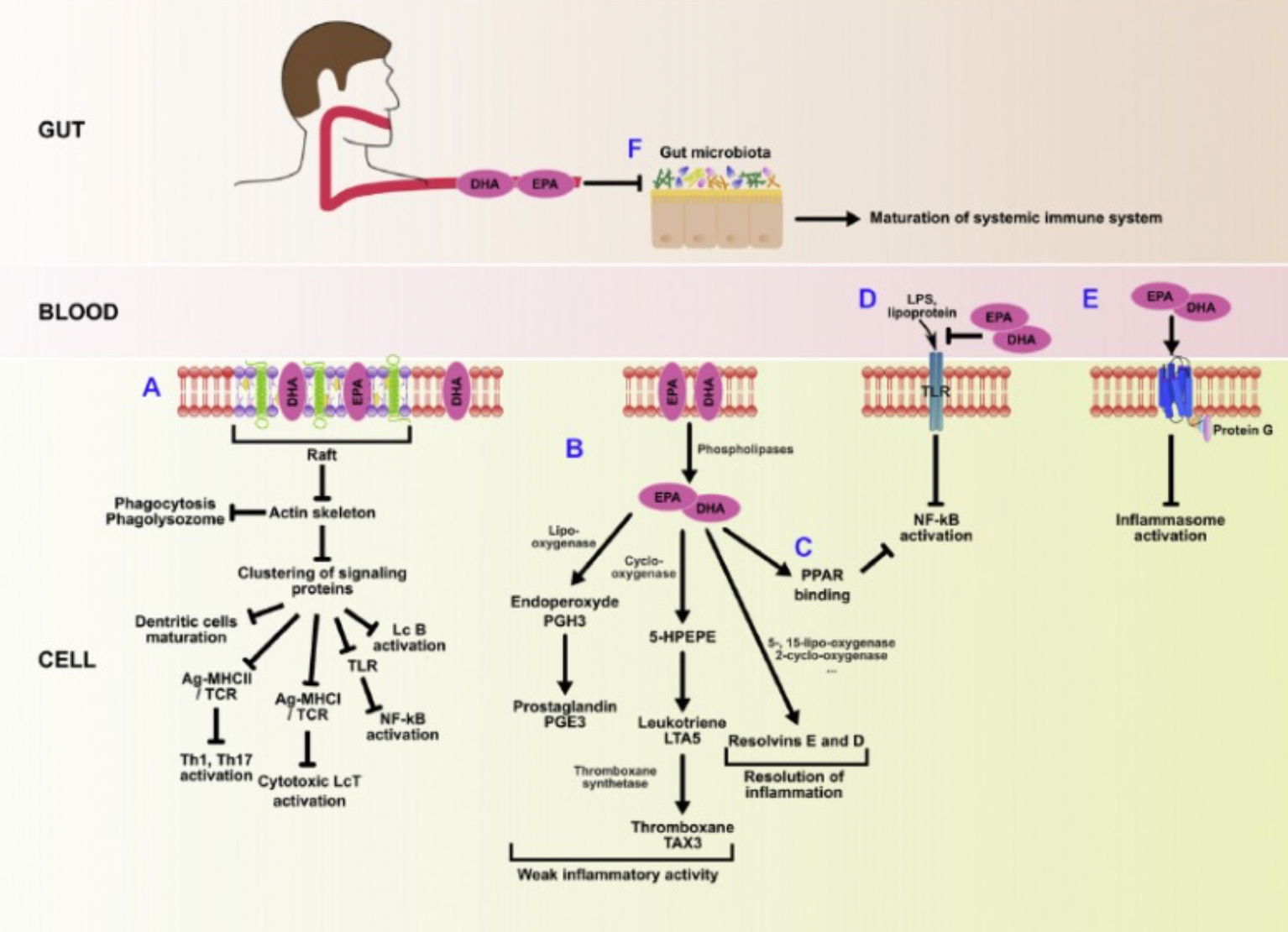
For decades, the scientific community grappled with this enigma. We understood the destructive power of inflammation, but its true scope and the mechanisms by which it transitioned from protective to pernicious remained a complex puzzle. And then, slowly, a fascinating story began to unfold – a story that led us from the microscopic battlefield within our cells to the vast, shimmering depths of the ocean. It’s the story of how certain fats, specifically the omega-3 fatty acids found abundantly in fish, are not merely passive dietary components, but powerful orchestrators, capable of dousing the body’s silent fire and guiding it back to a state of calm. This is the science of inflammation, its devastating impact, and the profound, transformative role of fish omega-3s in rekindling balance.
Part 1: The Dual Nature of Fire – Unpacking the Inflammatory Cascade
To appreciate the calming power of omega-3s, we must first understand the fire itself. Inflammation, at its core, is a complex biological response of vascular tissues to harmful stimuli, such as pathogens, damaged cells, or irritants.
Acute Inflammation: The Body’s Swift Response
When an injury occurs or a pathogen invades, a meticulously coordinated series of events is triggered. Mast cells, strategically positioned throughout tissues, release histamine, a potent vasodilator that widens blood vessels, increasing blood flow to the affected area. This accounts for the classic signs of inflammation: rubor (redness) and calor (heat). Simultaneously, the blood vessels become more permeable, allowing fluid and immune cells to leak into the tissue, leading to tumor (swelling). This influx of fluid, along with the release of bradykinins and prostaglandins, irritates nerve endings, causing dolor (pain). In severe cases, this can lead to functio laesa (loss of function).
At the cellular level, this initial response is a marvel of biological engineering. Neutrophils, the first responders of the immune system, are swiftly recruited to the site. They phagocytose (engulf) bacteria and cellular debris, acting as microscopic clean-up crews. Following them are macrophages, which not only continue the phagocytic work but also act as crucial communicators, releasing a cocktail of signaling molecules known as cytokines (e.g., Interleukin-1 (IL-1), Tumor Necrosis Factor-alpha (TNF-α), Interleukin-6 (IL-6)). These cytokines amplify the inflammatory response, activate other immune cells, and even induce systemic effects like fever. Prostaglandins, synthesized from arachidonic acid (an omega-6 fatty acid), also play a critical role, mediating pain, fever, and blood vessel dilation.
Crucially, acute inflammation is designed to be self-limiting. Once the threat is neutralized and the debris cleared, the body shifts gears, initiating a phase of resolution. Anti-inflammatory cytokines like IL-10 are released, immune cells undergo apoptosis (programmed cell death) and are cleared by macrophages, and specialized pro-resolving mediators (which we will delve into later) actively shut down the inflammatory process and promote tissue repair. The fire, having served its purpose, gently extinguishes itself.
Chronic Inflammation: The Smoldering Embers
The problem arises when this elegant system goes awry. Chronic inflammation is essentially acute inflammation that fails to resolve. It’s a persistent, low-grade, and often systemic inflammatory state that can linger for months or even years. The triggers are diverse and pervasive in modern life:
- Persistent Infections: Unresolved bacterial or viral infections.
- Environmental Irritants: Exposure to pollutants, toxins, or allergens.
- Autoimmune Reactions: The immune system mistakenly attacking the body’s own tissues (e.g., rheumatoid arthritis, lupus).
- Metabolic Dysregulation: Obesity, insulin resistance, and an unhealthy diet can create a constant state of metabolic stress, leading to systemic low-grade inflammation. Adipose tissue, once thought to be metabolically inert, is now recognized as an active endocrine organ, releasing pro-inflammatory adipokines.
- Gut Dysbiosis: An imbalance in the gut microbiome can compromise the intestinal barrier, leading to a "leaky gut" and the translocation of bacterial components into the bloodstream, triggering inflammation.
- Psychological Stress: Chronic stress elevates cortisol and catecholamine levels, which can dysregulate immune function and promote inflammation.
In chronic inflammation, the cellular landscape shifts. While neutrophils are prominent in acute responses, chronic inflammation is characterized by a sustained presence of macrophages, lymphocytes (T and B cells), and fibroblasts. These cells continue to release pro-inflammatory cytokines, reactive oxygen species (ROS), and enzymes that, over time, cause collateral damage to healthy tissues. This leads to continuous tissue destruction and attempts at repair through fibrosis (scarring), which can impair organ function. The fire, instead of being a quick, cleansing blaze, becomes a slow, destructive burn, leaving behind widespread damage and dysfunction.
Part 2: The Silent Scourge – Diseases Driven by the Persistent Flame
The insidious nature of chronic inflammation lies in its stealth. Often, there are no dramatic symptoms until significant damage has occurred. Yet, its fingerprints are found across the vast spectrum of human disease, revealing it as a central player in many of the most prevalent and debilitating conditions of our time.
Cardiovascular Disease: A Fire in the Arteries
For decades, atherosclerosis, the hardening and narrowing of arteries, was primarily attributed to high cholesterol. While cholesterol is a crucial factor, the prevailing scientific understanding has undergone a paradigm shift: atherosclerosis is fundamentally an inflammatory disease. The story begins with damage to the endothelium, the delicate inner lining of blood vessels. This damage, often caused by factors like high blood pressure, oxidized LDL cholesterol, smoking, or hyperglycemia, triggers an inflammatory response. Immune cells, particularly monocytes, are recruited to the damaged site, adhering to the endothelial wall and migrating into the vessel lining, where they transform into macrophages. These macrophages avidly engulf oxidized LDL, becoming foam cells, which accumulate and form fatty streaks – the initial lesions of atherosclerosis.
The inflammation perpetuates, with macrophages and T-cells releasing a cascade of cytokines (TNF-α, IL-6, IL-1β) and chemokines, further recruiting immune cells and promoting the growth of smooth muscle cells. This leads to the formation of a fibrous plaque. Crucially, it’s not the size of the plaque that poses the greatest danger, but its stability. Inflammatory processes can thin the fibrous cap covering the plaque, making it vulnerable to rupture. A ruptured plaque exposes its thrombogenic core, leading to clot formation, which can block blood flow, resulting in a heart attack or stroke. Chronic inflammation is the relentless architect of this process, turning healthy arteries into stiff, occluded pathways.
Neurodegenerative Diseases: The Brain on Fire
The brain, once thought to be immune-privileged, is now recognized as a site of complex neuroimmune interactions. Neuroinflammation, the inflammatory response within the brain or spinal cord, plays a critical role in the initiation and progression of diseases like Alzheimer’s, Parkinson’s, and multiple sclerosis. In Alzheimer’s disease, for example, the accumulation of amyloid-beta plaques and tau tangles is accompanied by the activation of microglia, the brain’s resident immune cells. While initially protective, prolonged microglial activation leads to the release of pro-inflammatory cytokines, reactive oxygen species, and other neurotoxic molecules. This chronic neuroinflammation contributes to neuronal damage, synaptic dysfunction, and cognitive decline. Similarly, in Parkinson’s disease, inflammation contributes to the progressive loss of dopaminergic neurons. The brain, our most complex organ, is not immune to the silent fire, and its delicate neural networks are particularly vulnerable to its destructive reach.
Autoimmune Diseases: A Self-Inflicted Conflagration