A Story of Molecular Evolution and Systemic Harmony
In the vast and intricate tapestry of human health, certain threads emerge, initially perceived for their singular strength, only to reveal themselves as foundational elements weaving through the entire fabric. Fish oil, once primarily celebrated as a sentinel for cardiovascular well-being, is one such thread. Its journey from a niche supplement to a widely acknowledged systemic modulator is a compelling narrative of scientific discovery, challenging conventional wisdom and unveiling a spectrum of benefits that reach far beyond the rhythmic beat of the heart.
This isn’t merely a tale of isolated benefits; it’s a story of molecular evolution, of tiny lipid molecules orchestrating profound changes at the cellular level, influencing everything from the fluidity of our cell membranes to the very signals that govern inflammation, mood, and even the sharpness of our vision. For the knowledgeable mind, accustomed to delving into the intricate mechanisms of human biology, the true saga of fish oil unfolds as a testament to nature’s profound capacity for systemic healing and optimization.
Chapter 1: The Molecular Canvas – Architects of Cellular Harmony
To truly appreciate the systemic reach of fish oil, we must first descend to the molecular realm, where its primary active components – Eicosapentaenoic Acid (EPA) and Docosahexaenoic Acid (DHA) – exert their profound influence. These are not merely fats; they are essential polyunsaturated fatty acids (PUFAs), vital nutrients that our bodies cannot synthesize efficiently and must obtain from diet. Their importance lies not just in their presence, but in their active participation in the very architecture and communication networks of every cell.
Imagine the cell membrane, not as a static barrier, but as a dynamic, intelligent skin, constantly interacting with its environment. It’s composed primarily of a lipid bilayer, and the fatty acid composition of this bilayer dictates its fluidity, its ability to transmit signals, and the efficiency of nutrient and waste exchange. When EPA and DHA are incorporated into these membranes, they lend a unique flexibility, enhancing receptor function, improving cellular communication, and optimizing the activity of membrane-bound enzymes. This foundational role in cellular architecture is the bedrock upon which all subsequent systemic benefits are built.
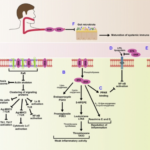
Beyond structural integration, EPA and DHA are master regulators of inflammatory pathways. For decades, scientists understood that arachidonic acid (AA), an omega-6 fatty acid, was the precursor to pro-inflammatory eicosanoids like prostaglandins and leukotrienes. The genius of omega-3s lies in their ability to compete with AA for the same enzymes, diverting the metabolic pathway towards the production of less inflammatory or even anti-inflammatory eicosanoids.
But the story doesn’t end there. Modern research has unveiled a new class of lipid mediators, derived directly from EPA and DHA, known as specialized pro-resolving mediators (SPMs). These include resolvins, protectins, and maresins. Unlike the simple dampening of inflammation, SPMs actively orchestrate the resolution of inflammation. They don’t just put out the fire; they clear the debris, initiate tissue repair, and signal immune cells to return to a state of homeostasis. This paradigm shift from merely inhibiting inflammation to actively promoting its resolution highlights the sophisticated and targeted action of omega-3s, underscoring their potential as therapeutic agents in chronic inflammatory conditions.
Chapter 2: The Heart’s First Embrace – Revisiting the Classic
The initial spotlight on fish oil shone brightest on the cardiovascular system, and for good reason. Epidemiological studies linking fish consumption to lower rates of heart disease in populations like the Inuit were compelling. Today, the mechanisms behind these benefits are well-established and serve as a powerful example of omega-3s’ systemic influence.
Fish oil’s ability to lower triglyceride levels is perhaps its most recognized cardiovascular contribution. EPA and DHA reduce the liver’s production of very-low-density lipoproteins (VLDL) and enhance the clearance of triglycerides from the bloodstream. Beyond this, they exert a multifaceted impact on vascular health:
- Blood Pressure Modulation: While not a primary antihypertensive, omega-3s can contribute to modest reductions in blood pressure, particularly in individuals with hypertension, by improving endothelial function and vascular elasticity.
- Anti-Arrhythmic Effects: They stabilize cardiac cell membranes, reducing electrical instability and the risk of fatal arrhythmias, particularly in post-myocardial infarction patients.
- Endothelial Function: EPA and DHA enhance the production of nitric oxide, a critical vasodilator, thus improving blood flow and reducing arterial stiffness.
- Anti-Thrombotic Action: They subtly reduce platelet aggregation, decreasing the risk of clot formation without significantly increasing the risk of bleeding in most individuals.
While pharmaceutical interventions often target single pathways, fish oil’s cardiovascular benefits arise from a symphony of actions, addressing multiple facets of heart health, a testament to its systemic ingenuity.
Chapter 3: The Brain’s Symphony – The Neurological and Cognitive Landscape
From the heart, our journey naturally extends to the most complex organ in the human body: the brain. Here, DHA emerges as a particularly critical player, constituting a significant portion of the fatty acids in the brain’s grey matter and retina. Its structural integration into neuronal membranes is vital for neuronal development, function, and signaling.
The brain, despite its protective blood-brain barrier, is susceptible to inflammation, a key driver in neurodegenerative diseases and mood disorders. Omega-3s, through their anti-inflammatory and pro-resolving actions, offer a protective shield:
- Neuroinflammation Mitigation: By reducing the production of pro-inflammatory cytokines and actively resolving inflammation, EPA and DHA can mitigate chronic neuroinflammation, which is implicated in conditions like Alzheimer’s disease, Parkinson’s disease, and multiple sclerosis.
- Neurogenesis and Synaptogenesis: Research suggests that omega-3s can promote the growth of new neurons (neurogenesis) and the formation of new synaptic connections (synaptogenesis), crucial for learning, memory, and cognitive resilience.
- Mood Regulation: The link between omega-3s, particularly EPA, and mood is robust. They influence neurotransmitter pathways (serotonin, dopamine), improve neuroplasticity, and reduce inflammation, all of which are critical in the pathophysiology of depression and anxiety. Clinical trials have shown significant benefits in major depressive disorder, often as an adjunct to conventional therapy.
- Cognitive Function: From early brain development in infants to preserving cognitive function in the elderly, DHA is paramount. Studies indicate that adequate omega-3 intake can support memory, attention, and executive function, and may play a role in delaying age-related cognitive decline.
- ADHD and Neurodevelopmental Disorders: In children with ADHD, omega-3 supplementation has shown promise in improving attention, reducing hyperactivity, and enhancing cognitive performance, likely due to their role in brain development and modulation of neurotransmitter systems.
The brain, with its intricate network of neurons and glial cells, thrives on the fluidity and balanced inflammatory state that omega-3s help to maintain, underscoring their foundational role in mental and cognitive well-being.