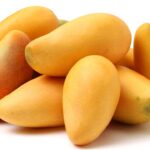
The very mention of "mango" conjures images of sun-drenched orchards, a burst of tropical sweetness, and sticky, satisfying indulgence. For many, it’s merely a delicious fruit, a seasonal treat that brightens summer days. But beneath its vibrant skin and succulent flesh lies a nutritional powerhouse, a complex tapestry of vitamins, minerals, fiber, and an extraordinary array of bioactive compounds that have led nutritionists worldwide to bestow upon it the coveted the ultimate superfruit.
This isn’t just a marketing ploy or a fleeting trend; it’s a recognition rooted in centuries of traditional wisdom and increasingly validated by modern scientific inquiry. To truly understand why the mango holds such a prestigious position, we must peel back its layers, moving beyond its undeniable appeal to explore the intricate molecular ballet occurring within each golden orb. Our journey will delve into its unique phytochemical profile, its profound impact on various physiological systems, and the synergistic magic that elevates it from a mere fruit to a foundational pillar of holistic health.
The Superfruit Mandate: Defining the Ultimate
Before we crown the mango, it’s essential to understand what "superfruit" truly signifies, especially for a knowledgeable audience. It’s not just about a single high concentration of one nutrient. Instead, a true superfruit offers a broad spectrum of beneficial compounds, often in synergistic combinations, that exert diverse and potent health-promoting effects. It embodies the concept of "food as medicine," providing a holistic nutritional matrix rather than isolated components.
Many fruits claim the title – berries for their antioxidants, avocados for healthy fats, pomegranates for their unique polyphenols. Yet, the mango distinguishes itself through an unparalleled blend of familiar nutrients and a unique repertoire of lesser-known, yet incredibly powerful, phytochemicals. It’s a complete package, addressing everything from gut health to cognitive function, immune resilience to cardiovascular vitality, all wrapped in an irresistible flavor profile.
A Symphony of Nutrients: The Foundation of its Power
At its most fundamental level, the mango is a nutritional marvel. A single cup of sliced mango (approximately 165 grams) provides:
- Calories: Around 100 kcal, primarily from natural sugars.
- Carbohydrates: Roughly 25 grams, with a healthy portion of fiber.
- Fiber: 2.6 grams, offering both soluble and insoluble types crucial for digestive health.
- Vitamin C: A remarkable 67% of the Daily Value (DV), making it an exceptional immune booster and antioxidant.
- Vitamin A (as Beta-Carotene): 10% of the DV, vital for vision, immune function, and skin health.
- Folate (Vitamin B9): 18% of the DV, essential for cell division and DNA synthesis.
- Vitamin B6: 11% of the DV, crucial for brain development and function, and metabolism.
- Vitamin E: 9.7% of the DV, another powerful antioxidant that protects cells from oxidative damage.
- Vitamin K: 6% of the DV, important for blood clotting and bone health.
- Potassium: 6% of the DV, vital for blood pressure regulation and fluid balance.
- Copper: 20% of the DV, essential for energy production, iron metabolism, and neurotransmitter synthesis.
- Magnesium: 4% of the DV, involved in over 300 enzymatic reactions, including muscle and nerve function, blood glucose control, and blood pressure regulation.
While this impressive list of macronutrients, vitamins, and minerals lays a robust foundation, it’s merely the overture to the mango’s true nutritional symphony. The real magic, the distinguishing factor that elevates it to "ultimate superfruit" status, lies in its extraordinary phytochemical profile.
The Phytochemical Powerhouse: Unveiling Mango’s Molecular Magic
The true narrative of mango’s superiority unfolds within its complex array of bioactive compounds. These plant-derived chemicals, not essential for survival but profoundly beneficial for health, are where the science truly converges with the "superfruit" claim.
1. Carotenoids: The Hues of Health
The vibrant yellow-orange flesh of the mango is a direct testament to its rich carotenoid content. These lipid-soluble pigments are potent antioxidants and precursors to Vitamin A. Mangoes are particularly abundant in:
- Beta-carotene: The most well-known carotenoid, readily converted to Vitamin A in the body, supporting vision (especially night vision), immune function, and skin integrity.
- Alpha-carotene: Similar to beta-carotene, also a Vitamin A precursor.