In the grand tapestry of human indulgence, few threads gleam with the allure and complexity of chocolate. It is a food steeped in history, whispered about in myths, and now, scrutinized under the harsh, yet illuminating, light of modern nutritional science. As our collective consciousness pivots towards healthier living, often characterized by a vigilant avoidance of added sugars, a new frontier in the chocolate landscape has emerged: high-percent, sugar-free cacao. For the discerning palate and the metabolically aware, this category promises the best of both worlds – the deep, resonant pleasure of pure cacao without the perceived pitfalls of sugar. But is this promise a simple truth or a nuanced riddle?
Our journey into the heart of this "sugar-free truth" is not merely an academic exercise; it is a narrative, a quest to understand the intricate dance between food and body, where every ingredient plays a role in the symphony of our metabolic health. For the knowledgeable audience, already well-versed in the language of glycemic index, insulin sensitivity, and metabolic pathways, this exploration will delve beyond the surface, challenging assumptions and revealing the profound science behind a seemingly simple pleasure. The story we are about to unfold is one of deconstruction and discovery, where the bitter elegance of cacao meets the sweet science of nutrition.
Deconstructing "Sugar-Free": A Semantic Minefield
Before we embark on our deep dive into cacao itself, we must first confront the linguistic labyrinth that is the term "sugar-free." In the realm of processed foods, this label is often a beacon of hope for those managing blood sugar, seeking weight loss, or simply striving for a healthier lifestyle. Yet, like many seemingly straightforward claims, its truth is rarely absolute.
At its core, "sugar-free" typically signifies the absence of sucrose (table sugar), high-fructose corn syrup, and other caloric sugars. However, this absence often necessitates a replacement. The landscape of sugar alternatives is vast and varied, each with its own metabolic fingerprint. We encounter a spectrum of substitutes:
- Sugar Alcohols (Polyols): These are perhaps the most common stand-ins in sugar-free chocolate. Erythritol, xylitol, maltitol, sorbitol, and lactitol are frequently seen on ingredient lists. While they provide sweetness and bulk, their caloric content and glycemic impact vary dramatically. Erythritol, for instance, is almost entirely absorbed in the small intestine and excreted unchanged, resulting in negligible calories and a glycemic index (GI) close to zero. Xylitol has a low GI (around 13), while maltitol, often lauded as sugar-free, can have a GI as high as 35-52 – a significant enough spike for many individuals, particularly those with insulin resistance, to warrant caution. The "sugar-free" label, therefore, can hide ingredients that still provoke a considerable glycemic response.
- Non-Nutritive Sweeteners: Stevia, monk fruit, sucralose, aspartame, and saccharin fall into this category. These provide intense sweetness with virtually no calories or glycemic impact. They are often used in conjunction with a bulking agent (like erythritol or a fiber) to mimic the texture and mouthfeel of sugar. From a purely glycemic perspective, these are generally the safest choices.
- Fiber-Based Sweeteners/Bulking Agents: Ingredients like inulin, oligofructose, or isomalto-oligosaccharides (IMOs) are sometimes used for their sweetening properties, but primarily for their fiber content and ability to add body. While they do not spike blood sugar, some can cause digestive distress in larger quantities.
The regulatory environment, such as the FDA’s definitions, often focuses on the direct absence of traditional sugars, leaving the consumer to decipher the nuances of replacements. For our knowledgeable audience, the lesson is clear: "sugar-free" is not a monolithic concept. It demands a critical reading of the ingredient list, an understanding of the specific sweeteners used, and an awareness that even within this category, the glycemic narrative can diverge sharply. The concept of "net carbs," often touted on low-carb products, further complicates this, as it typically subtracts fiber and some sugar alcohols. While useful, it doesn’t always account for the individual glycemic response to certain polyols like maltitol, which our bodies do partially metabolize for energy. This semantic minefield is the first challenge we must navigate in our quest for sugar-free truth.
The Cacao Conundrum: More Than Just Beans
With the complex definition of "sugar-free" in hand, we now turn our attention to the star of our story: cacao. This ancient bean, revered by civilizations for millennia, is far more than just a flavor; it is a complex biological entity whose composition profoundly influences its interaction with our metabolism.
The journey from a raw cacao bean to a finished chocolate bar is one of intricate transformation: fermentation, drying, roasting, winnowing, grinding into cacao liquor (mass), pressing to separate cacao butter and cacao powder, and finally, conching and tempering. Each step subtly alters its chemical makeup.
At its most fundamental, high-percent cacao mass (the primary component of high-percent chocolate) is a marvel of natural engineering, rich in several key macronutrients and bioactive compounds:
- Fat (Cacao Butter): This is the dominant component, especially in high-percent bars. Cacao butter is unique, primarily composed of saturated and monounsaturated fatty acids. Stearic acid, a saturated fat, constitutes a significant portion and is particularly interesting from a metabolic standpoint. Unlike other saturated fats, stearic acid has been shown to have a neutral effect on blood cholesterol levels and, crucially for our discussion, a negligible glycemic impact. The high fat content of cacao butter is a critical modulator of the overall glycemic response, as fats inherently slow gastric emptying and nutrient absorption, thereby blunting potential blood sugar spikes.
- Fiber: Cacao is surprisingly rich in dietary fiber, both soluble and insoluble. This is a crucial, yet often overlooked, aspect of its nutritional profile, especially in high-percent formulations where the proportion of cacao solids is maximized. Fiber adds bulk, promotes satiety, and, most importantly, slows the absorption of carbohydrates. Soluble fiber forms a gel-like substance in the digestive tract, further impeding glucose uptake, while insoluble fiber adds to stool bulk and aids gut motility.
- Protein: While not a primary source, cacao does contain a modest amount of protein. Proteins, like fats, contribute to satiety and slow digestion, contributing to a more stable glycemic response.
- Carbohydrates (Beyond Added Sugars): Even in its pure form, cacao contains inherent carbohydrates. These are primarily complex carbohydrates, along with minimal simple sugars. In a 100% cacao product, these inherent carbs are present, but their impact is significantly mitigated by the high fiber, fat, and polyphenol content.
- Polyphenols/Flavonoids: This is where cacao truly distinguishes itself as a "superfood." Cacao is one of the richest sources of polyphenols, particularly flavanols like epicatechin, catechin, and procyanidins. These compounds are powerful antioxidants and have been extensively studied for their wide-ranging health benefits, including cardiovascular health, cognitive function, and anti-inflammatory properties. Crucially for our narrative, these polyphenols also exhibit a significant, though often underestimated, impact on glucose metabolism.
The "high-percent" factor is paramount. A 70% cacao bar means 70% of the bar’s weight comes from cacao mass and cacao butter, with the remaining 30% typically being added sugar and sometimes an emulsifier like lecithin. As the percentage climbs to 80%, 90%, or even 100% (unsweetened baking chocolate), the proportion of cacao solids increases, meaning significantly higher levels of beneficial fats, fiber, protein, and polyphenols, and a concomitant decrease in added sugar (or its complete absence in sugar-free versions). This shift fundamentally alters the glycemic profile, moving it away from a sugar-laden treat towards a metabolically more benign, and potentially beneficial, food.
Unpacking the Glycemic Index (GI) and Glycemic Load (GL)
For our knowledgeable audience, the concepts of Glycemic Index (GI) and Glycemic Load (GL) are familiar tools in the nutritional arsenal. To briefly reiterate:
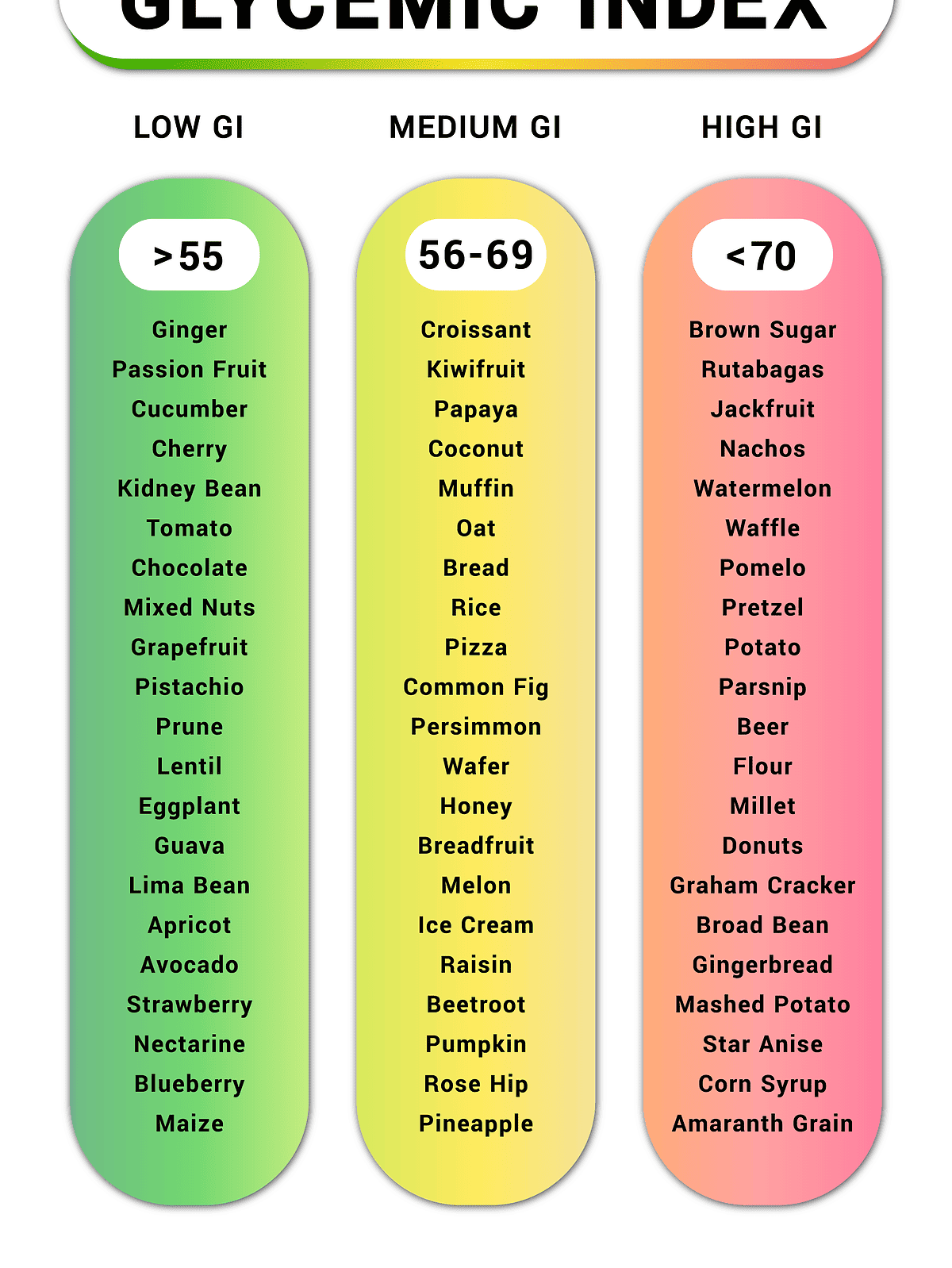
- Glycemic Index (GI): A measure of how quickly a food raises blood glucose levels compared to a reference food (usually pure glucose or white bread). Foods are classified as high (70+), medium (56-69), or low (0-55).
- Glycemic Load (GL): A more practical measure that accounts for both the GI and the actual carbohydrate content of a typical serving size. GL = (GI x carbohydrate content in grams per serving) / 100. It provides a more realistic picture of a food’s impact on blood sugar in a real-world scenario.