For millennia, chocolate has woven itself into the tapestry of human culture, a potent symbol of indulgence, celebration, and even sacred ritual. From the frothy, bitter drinks of Mesoamerican emperors who called it "the food of the gods" to the mass-produced candy bars of the modern age, its allure is undeniable. Yet, nestled within this ancient delight, particularly in its purest, darkest form, lies a secret far more profound than mere gratification: a remarkable capacity to nurture and protect the human heart. This is the story of dark chocolate, not as a fleeting pleasure, but as a sophisticated nutritional powerhouse, a complex symphony of bioactive compounds orchestrating a dance of cardiovascular wellness.
Our journey into the heart of dark chocolate’s benefits begins not in a laboratory, but in the lush, humid embrace of the equatorial rainforests where Theobroma cacao — literally, "food of the gods" — first flourished. The Mayans and Aztecs revered cacao, consuming it unsweetened, often spiced with chili, recognizing its invigorating and restorative properties. They couldn’t articulate the science, but they intuitively understood its power. Today, modern science is meticulously dissecting this ancient wisdom, revealing the intricate molecular mechanisms by which dark chocolate, when consumed mindfully, can become a valuable ally in the fight against cardiovascular disease, the leading global killer.
From Bean to Bar: Where the Magic Begins
The transformation of the humble cacao bean into a rich, dark chocolate bar is a complex alchemical process, and it is in these very stages that the cardiovascular magic is either preserved or lost. It begins with fermentation, where beneficial microbes break down the pulp surrounding the beans, developing crucial flavor precursors. Drying, roasting, and conching further refine the taste and texture. But critically, these processes also dictate the final concentration of the very compounds responsible for chocolate’s health-giving properties: the polyphenols, particularly a subgroup called flavanols.
Not all chocolate is created equal. The distinction between dark, milk, and white chocolate is paramount. White chocolate contains no cocoa solids, only cocoa butter, sugar, and milk. Milk chocolate, while containing some cocoa solids, is often diluted with milk powders and laden with sugar, significantly diminishing its flavanol content. Dark chocolate, conversely, boasts a high percentage of cocoa solids – typically 70% or more – and a comparatively lower sugar content. It is this concentration of cacao, and the careful preservation of its inherent chemical arsenal, that unlocks its potential as a cardiovascular guardian.
The stars of this show are undoubtedly the flavanols, primarily epicatechin, catechin, and their oligomers, the procyanidins. These are powerful antioxidants, but their role extends far beyond simply scavenging free radicals. Cacao also contains other beneficial compounds: methylxanthines like theobromine (responsible for much of chocolate’s mild stimulant effect) and trace minerals such as magnesium, iron, copper, and manganese, all of which play supporting roles in physiological function. However, it is the flavanols that take center stage in the cardiovascular narrative.
The Cardiovascular Symphony: Mechanisms of Action
To understand how dark chocolate benefits the heart, we must delve into the intricate biochemical pathways it influences. It’s not a single, isolated effect, but rather a coordinated symphony of actions that collectively promote cardiovascular health.
1. The Endothelial Maestro: Enhancing Nitric Oxide Bioavailability
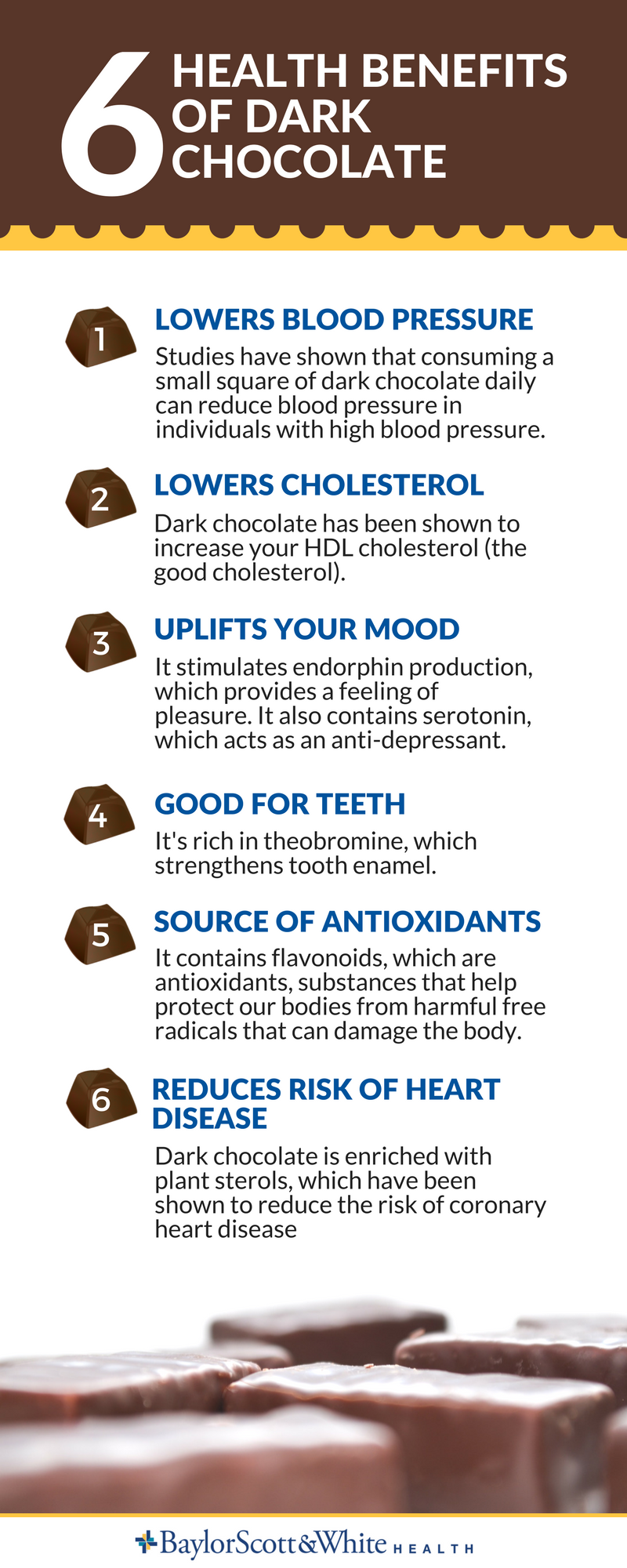
Perhaps the most significant and well-studied mechanism is dark chocolate’s profound impact on endothelial function. The endothelium is the delicate, single-cell layer lining the interior surface of blood vessels, playing a critical role in vascular tone, blood flow, and the prevention of clot formation. A healthy endothelium produces nitric oxide (NO), a crucial signaling molecule that causes blood vessels to relax and widen (vasodilation), thereby improving blood flow and reducing blood pressure.
In conditions like hypertension, diabetes, and atherosclerosis, endothelial function becomes impaired, leading to reduced NO availability and stiffer, less responsive blood vessels. Cacao flavanols, particularly epicatechin, have been shown to stimulate endothelial nitric oxide synthase (eNOS), the enzyme responsible for producing NO. Furthermore, their antioxidant properties help protect existing NO from degradation by reactive oxygen species, effectively increasing its bioavailability. This improved NO signaling is a cornerstone of dark chocolate’s cardiovascular benefits, directly contributing to better blood pressure control and overall vascular health.
2. Orchestrating Blood Pressure Regulation
Building on its effects on endothelial function, dark chocolate has consistently demonstrated a modest but significant ability to lower blood pressure. Numerous clinical trials, often involving individuals with hypertension or pre-hypertension, have shown that regular consumption of flavanol-rich dark chocolate can lead to reductions in both systolic and diastolic blood pressure. While not a replacement for medication, this effect can be particularly valuable for individuals seeking to manage mild hypertension or for primary prevention within a broader healthy lifestyle. The mechanism here is primarily the enhanced NO production leading to systemic vasodilation, allowing blood to flow more freely through the arteries.
3. Lipid Profile Modulation: Shielding Against Oxidative Stress
Atherosclerosis, the hardening and narrowing of arteries, is driven by a complex interplay of factors, including elevated LDL ("bad") cholesterol, inflammation, and oxidative stress. Dark chocolate steps in here as a protective agent. Its potent antioxidant capacity, primarily due to flavanols, helps to prevent the oxidation of LDL cholesterol. Oxidized LDL is particularly damaging and is a key instigator of plaque formation in arterial walls. By reducing LDL oxidation, dark chocolate effectively mitigates a crucial step in the development of atherosclerosis.
Furthermore, some studies suggest that dark chocolate may favorably influence other lipid markers, potentially increasing HDL ("good") cholesterol levels and improving the overall lipid profile. While these effects are generally less pronounced than those on blood pressure or endothelial function, they contribute to the broader cardiovascular protective strategy.
4. The Anti-inflammatory Cadenza: Quelling the Silent Fire
Chronic low-grade inflammation is increasingly recognized as a fundamental driver of cardiovascular disease. It contributes to endothelial dysfunction, plaque instability, and thrombus formation. Cacao flavanols possess significant anti-inflammatory properties, intervening in various inflammatory pathways. They can modulate the activity of inflammatory enzymes and reduce the expression of adhesion molecules, which are proteins that promote the attachment of inflammatory cells to the arterial wall. By dampening this inflammatory cascade, dark chocolate helps to create a less hostile environment within the vasculature, reducing the risk of plaque progression and rupture.
5. Anti-Platelet Harmony: Preventing Clot Formation
Platelets are tiny blood cells that play a vital role in blood clotting. While essential for wound healing, excessive platelet aggregation can lead to the formation of dangerous clots (thrombi) that can block arteries, causing heart attacks or strokes. Cacao flavanols have demonstrated anti-platelet effects, reducing platelet aggregation and adhesion. This action is similar, though milder, to that of aspirin, offering a natural way to thin the blood and reduce the risk of thrombotic events. This effect is thought to be mediated, in part, by enhanced NO production, as NO is a potent inhibitor of platelet activation.
6. Insulin Sensitivity and Glucose Metabolism: A Sweet Connection
While not directly a cardiovascular benefit, improvements in insulin sensitivity and glucose metabolism have profound implications for heart health. Insulin resistance and type 2 diabetes are major risk factors for cardiovascular disease. Emerging research suggests that cacao flavanols may enhance insulin signaling, improve glucose uptake by cells, and reduce oxidative stress in pancreatic beta cells. By helping to regulate blood sugar levels, dark chocolate indirectly contributes to a healthier cardiovascular system, mitigating a key risk factor for heart disease.
7. The Gut-Heart Axis: A Microbiome Melody
The latest frontier in understanding dark chocolate’s benefits lies in the intricate interplay between cacao polyphenols and the gut microbiome. When we consume dark chocolate, many of its complex flavanols are not fully absorbed in the small intestine. Instead, they travel to the colon, where they are metabolized by gut bacteria into smaller, more bioavailable phenolic compounds. These metabolites, such as valerolactone and hippuric acid, are then absorbed and can exert their own beneficial effects throughout the body, including the cardiovascular system.
Furthermore, cacao polyphenols act as prebiotics, selectively stimulating the growth of beneficial gut bacteria while inhibiting the growth of less desirable species. A diverse and healthy gut microbiome is increasingly linked to improved metabolic health, reduced inflammation, and better cardiovascular outcomes. This emerging understanding highlights the systemic and interconnected nature of dark chocolate’s influence, extending its reach beyond direct absorption into a complex dialogue with our internal ecosystem.
The Evidence Mounts: A Chorus of Research
The scientific journey from anecdotal observation to robust clinical evidence has been a long and fascinating one for dark chocolate. Early epidemiological observations provided intriguing clues. Perhaps one of the most compelling early insights came from studies of the Kuna Indians of Panama, an indigenous population with remarkably low rates of hypertension and cardiovascular disease. Crucially, Kuna who maintained their traditional diet, rich in locally sourced, minimally processed cacao beverages, exhibited significantly lower blood pressure and better vascular function compared to their counterparts who had migrated to urban areas and adopted Western diets, consuming less traditional cacao. This "natural experiment" offered a powerful initial indication of cacao’s protective role.
Since then, a wealth of intervention trials and large-scale cohort studies have solidified these findings. Acute studies have demonstrated that even a single dose of flavanol-rich cocoa can improve endothelial function within hours. Chronic intervention trials, ranging from weeks to months, have consistently shown improvements in blood pressure, arterial stiffness, and lipid profiles in various populations, including healthy individuals, those with hypertension, and those at risk for metabolic syndrome.
Meta-analyses, which combine and statistically analyze the results of multiple independent studies, have largely confirmed these benefits. A significant meta-analysis published in the British Medical Journal in 2011, for example, concluded that regular consumption of chocolate could reduce the risk of cardiovascular disease by one-third. Subsequent meta-analyses have further refined our understanding, pinpointing the specific benefits on blood pressure and endothelial function as particularly robust.