In the intricate tapestry of human experience, few threads are as vital, as deeply personal, and as universally sought after as the pursuit of sexual fulfillment. It’s a domain often shrouded in mystery, whispered conversations, and an endless quest for enhancement, whether driven by a desire for greater pleasure, improved function, or a deeper connection. For centuries, the focus has predominantly been on external factors, pharmacological interventions, or superficial techniques. Yet, beneath the surface, nestled within the very core of our being, lies a powerful, often overlooked, and truly revolutionary key to unlocking peak sexual performance and profound intimate well-being: the pelvic floor.
This is not merely a story of exercises; it is a narrative of rediscovery, of reclaiming an innate power that lies dormant in many, waiting to be awakened. It’s a journey from the periphery of understanding to the very heart of what makes sexual experience vibrant, controlled, and deeply satisfying. For the knowledgeable audience, we delve beyond the basic “squeeze and release,” exploring the nuanced anatomy, the sophisticated neurobiology, and the profound psychological shifts that accompany the mindful cultivation of this unseen, yet undeniably potent, muscular foundation.
The Unseen Foundation: Anatomy, Function, and the Silent Orchestrator
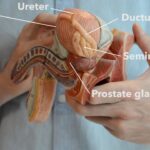
To truly appreciate the revolution, one must first understand the landscape. The pelvic floor is not a single muscle, but a complex, hammock-like network of muscles, ligaments, and fascia that stretches across the base of the pelvis. Often referred to collectively as the "levator ani" muscles (comprising the pubococcygeus, iliococcygeus, and ischiococcygeus), alongside the deeper transverse perineal and the more superficial bulbospongiosus and ischiocavernosus, this musculature forms a dynamic, multi-layered diaphragm.
Its primary, often acknowledged roles include supporting the pelvic organs (bladder, bowel, uterus/prostate), maintaining continence, and aiding in childbirth. However, its pivotal, yet frequently underestimated, role in sexual health is where its true power lies. Imagine a silent orchestrator, subtly influencing the rhythm and harmony of a grand performance. That orchestrator is the pelvic floor.
Anatomical Intricacies and Their Sexual Significance:
- Levator Ani Group: These deeper muscles provide the foundational support and contribute to the overall tone and responsiveness of the pelvic region. Their strength and flexibility are crucial for sensation and control.
- Bulbospongiosus and Ischiocavernosus: These are the rock stars of sexual function.
- In men: The bulbospongiosus muscle helps expel urine and semen, and critically, compresses the bulb of the penis, aiding in the rigidity and maintenance of erections by “locking in” blood. The ischiocavernosus muscle also contributes to erection by compressing the crura of the penis, increasing intracavernosal pressure. Coordinated action of these muscles during orgasm contributes to the rhythmic contractions of ejaculation.
- In women: The bulbospongiosus encircles the vaginal opening and clitoris, playing a vital role in clitoral erection, engorgement of the labia, and rhythmic contractions during orgasm. The ischiocavernosus also surrounds the clitoral crura, contributing to clitoral engorgement and sensitivity.
- The Perineal Body: This fibromuscular node at the center of the perineum acts as a crucial anchor point for many pelvic floor muscles, ensuring their coordinated function.
The Neurobiological Connection: The pelvic floor muscles are richly innervated, primarily by the pudendal nerve, which also carries sensory information from the genitals. This intricate neural network means that the state of the pelvic floor muscles directly impacts nerve sensitivity, blood flow, and the entire cascade of the sexual response cycle – desire, arousal, plateau, orgasm, and resolution. A well-toned, flexible, and consciously controlled pelvic floor facilitates optimal nerve signaling and vascular engorgement, which are the physiological cornerstones of profound sexual experience.
The Problem: When the Orchestrator is Out of Tune
For many, the pelvic floor remains an unexplored territory, often only brought to attention by issues like incontinence or post-partum recovery. This neglect leads to a range of sexual health challenges that often go unaddressed or are mistakenly attributed to other causes:
- Erectile Dysfunction (ED) in Men: While often associated with cardiovascular health, a weak pelvic floor can contribute significantly. Insufficient strength in the bulbospongiosus and ischiocavernosus muscles can hinder the venous occlusion mechanism, making it difficult to achieve or maintain rigidity.
- Premature Ejaculation (PE) in Men: Lack of control over the pelvic floor muscles, particularly the bulbospongiosus, can lead to involuntary and rapid ejaculation.
- Reduced Orgasm Intensity and Difficulty Achieving Orgasm (Anorgasmia) in Women: Weak or uncoordinated pelvic floor muscles can diminish the rhythmic contractions essential for intense orgasmic release and reduce clitoral sensitivity due to suboptimal blood flow and nerve stimulation.
- Dyspareunia (Painful Intercourse) in Women: Conversely, an overly tight or hypertonic pelvic floor can cause chronic pain during intercourse, making intimacy a source of dread rather than pleasure.
- Diminished Sensation and Arousal for All Genders: A flaccid or unresponsive pelvic floor can lead to a general dulling of sensation, making it harder to become aroused and engage fully in sexual activity.
- Performance Anxiety: The frustration and self-doubt arising from these issues often spiral into performance anxiety, creating a vicious cycle where mental stress exacerbates physical limitations.
The conventional approaches often bypass this foundational element. Medications might address symptoms (e.g., ED drugs), but they don’t empower the individual with intrinsic control or address the underlying muscular and neurological health. This is where pelvic floor exercises offer a paradigm shift – a move from passive intervention to active empowerment.
The Revelation: How Pelvic Floor Exercises Revolutionize Sexual Health
The consistent, mindful practice of pelvic floor exercises, commonly known as Kegels (though the scope is far broader than just a simple squeeze), fundamentally transforms sexual health by optimizing the very mechanisms of pleasure, control, and connection. This revolution unfolds across multiple dimensions: physiological, neurological, and psychological.