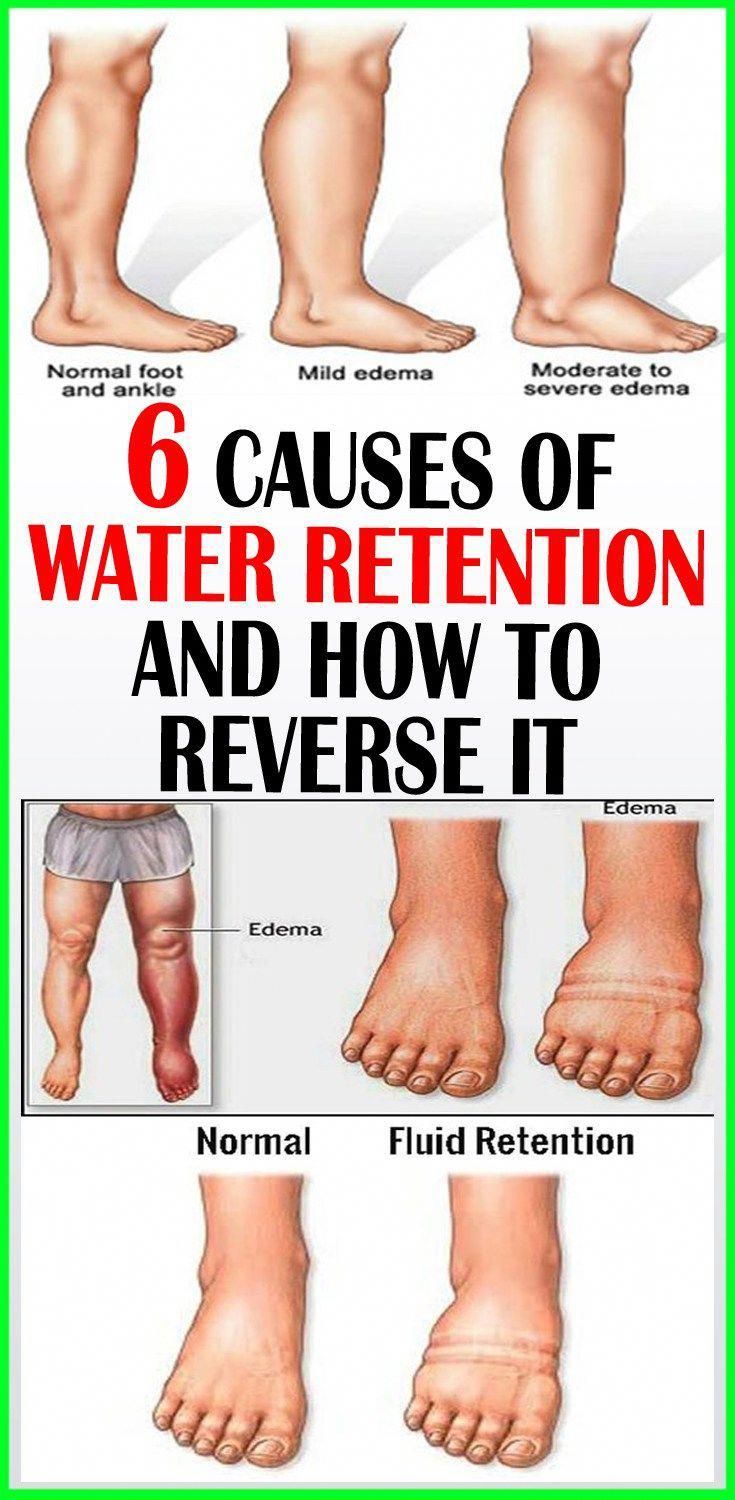
The morning starts like any other. You wake, stretch, and perhaps glance in the mirror. But something feels… off. Your rings are tighter than yesterday, your favorite jeans pinch a little more at the waist, and the skin around your ankles looks strangely smooth, almost puffy. You press a finger into your shin, and for a moment, a small indentation remains.
It’s a familiar, frustrating sensation: water retention. For many, it’s a transient nuisance, a minor inconvenience that ebbs and flows with the tides of daily life. For others, it’s a persistent, unwelcome guest, impacting comfort, self-perception, and even overall health. This silent surge, often dismissed as a mere aesthetic concern, is in fact a complex physiological mystery, a signal from your body’s intricate hydraulic system that something is out of balance.
You’re not alone in asking, "Why am I retaining water, and what can I possibly do about it?" This isn’t just a question; it’s the beginning of a journey into the fascinating world of your body’s fluid dynamics, an exploration that can transform frustration into understanding, and understanding into empowered action.
Chapter 1: The Body’s Water Kingdom – A Delicate Balance
To truly grasp water retention, we must first appreciate the astounding complexity of the human body’s water management system. Imagine your body as a vast, interconnected network of waterways, rivers, lakes, and reservoirs. Water, making up roughly 60% of your body weight, is not static; it’s constantly moving, flowing, and being meticulously regulated.
This water isn’t just sloshing around. It’s compartmentalized. Roughly two-thirds of it resides inside your cells (intracellular fluid), the very medium where life’s fundamental biochemical reactions occur. The remaining one-third is outside your cells (extracellular fluid), further divided into the fluid that bathes your tissues (interstitial fluid) and the fluid circulating in your blood vessels (plasma).
Edema, the medical term for water retention, specifically refers to an excess accumulation of fluid in the interstitial space – that delicate buffer zone between your cells and your blood vessels. When this space becomes waterlogged, it’s akin to a city park flooding, impacting everything around it.
The body’s mission is homeostasis: maintaining a stable internal environment, including fluid and electrolyte balance. This is a perpetual dance orchestrated by several key players, each with a vital role:
- The Kidneys: Master Architects of Fluid Balance. These bean-shaped organs are your body’s ultimate filtration and reabsorption plants. They filter about 180 liters of blood plasma daily, meticulously deciding what to keep (nutrients, water, electrolytes) and what to excrete (waste products, excess water). Their actions are finely tuned by hormones, acting like skilled engineers adjusting the flow.
- The Circulatory System: The Transport Network. Your heart, blood vessels, and the blood itself are responsible for moving fluids and nutrients throughout the body. The pressure within these vessels (hydrostatic pressure) pushes fluid out into the interstitial space, while the concentration of proteins in the blood (oncotic pressure) pulls fluid back in. A delicate equilibrium here is crucial.
- The Lymphatic System: The Silent Janitors. Often overlooked, this parallel network of vessels acts as a drainage system, collecting excess interstitial fluid, proteins, and waste products that couldn’t be reabsorbed by the veins, and returning them to the bloodstream. If this system is sluggish or damaged, fluid builds up.
- Electrolytes: The Chemical Conductors. Minerals like sodium, potassium, and chloride carry electrical charges and play a critical role in fluid movement. Water follows sodium, a fundamental principle of osmosis. Where sodium goes, water tends to follow.
This intricate interplay is usually flawless, a testament to millions of years of evolution. But sometimes, this delicate balance is disrupted, leading to that unwelcome puffiness.
Chapter 2: The Plot Twists – Why the System Goes Awry
So, why does your sophisticated fluid management system sometimes falter? The reasons are diverse, ranging from benign lifestyle choices to serious underlying medical conditions. Understanding these causes is the first step in becoming your own body’s detective.
2.1. Dietary Culprits: What You Eat (or Don’t Eat)
- Sodium Overload: This is perhaps the most common and immediate suspect. Remember, water follows sodium. A diet rich in processed foods, restaurant meals, and salty snacks floods your system with sodium, causing your body to retain more water to dilute it and maintain a healthy concentration. Your kidneys work overtime, and hormones like ADH (Antidiuretic Hormone, or Vasopressin) signal your body to hold onto every drop.
- Carbohydrates and Glycogen: Every gram of glycogen (the stored form of carbohydrates in your muscles and liver) binds with approximately 3-4 grams of water. If you suddenly increase your carbohydrate intake, or if you’ve been on a low-carb diet and reintroduce them, you’ll naturally store more glycogen and, consequently, more water. This is why athletes often "carb-load" to maximize fluid reserves.
- Insufficient Protein: Proteins, particularly albumin, are crucial for maintaining oncotic pressure in your blood vessels, which helps pull fluid back from the interstitial space. If your diet lacks adequate protein, this pressure drops, allowing fluid to leak out and accumulate in your tissues.
- Dehydration (Paradoxical Retention): It might sound counterintuitive, but not drinking enough water can actually cause retention. When you’re dehydrated, your body enters a survival mode, signaling your kidneys to conserve water. This triggers ADH release, leading to less urine output and a tendency to hold onto fluids more aggressively.
2.2. Lifestyle Factors: The Habits That Hold You Back
- Prolonged Inactivity: Sitting or standing for extended periods allows gravity to pull fluid downwards, especially into your legs and ankles. Without muscle contractions (which act as a "pump" for blood and lymph), fluid struggles to return to the heart.
- Heat and Humidity: Hot weather causes blood vessels to dilate, allowing more fluid to leak into the interstitial spaces. Your body also tries to cool itself by retaining more water.
- Stress: Chronic stress elevates cortisol levels. Cortisol influences ADH and aldosterone, both of which can promote sodium and water retention. The "fight or flight" response prepares your body by shunting fluids.