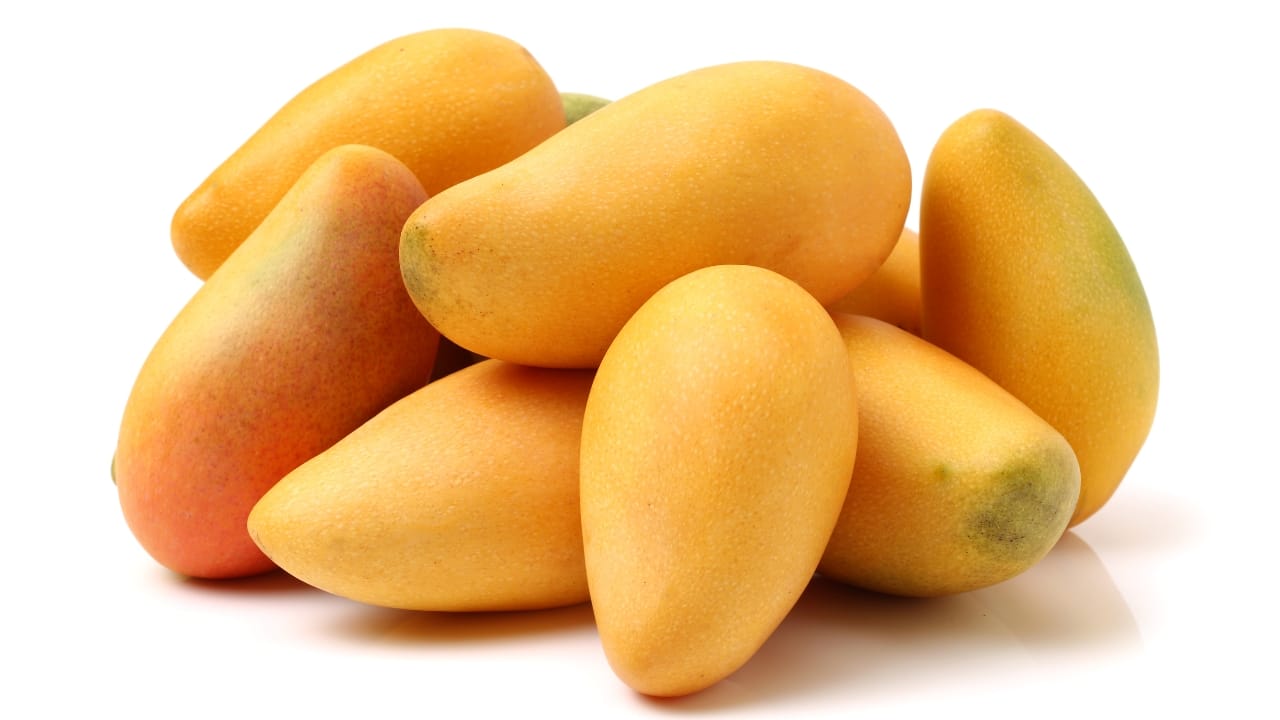
In the vibrant tapestry of tropical fruits, where sweetness reigns supreme and exotic aromas beckon, the mango stands as a true monarch. Its succulent flesh, a symphony of flavors ranging from tangy to honeyed, has captivated palates across continents for millennia. Yet, beneath this delectable exterior lies a secret power, a profound biochemical prowess that transcends mere gastronomic delight. The mango, it turns out, is not just a treat for the taste buds; it is a formidable warrior, an antioxidant powerhouse meticulously engineered by nature to fight one of the most insidious threats to human health: oxidative stress.
For the discerning mind, the journey into the mango’s hidden might reveals a fascinating narrative of cellular defense, a microscopic battle waged daily within our bodies. This story, rich with scientific intrigue and profound implications for well-being, transforms the humble mango from a simple fruit into a golden shield, a testament to nature’s intricate wisdom in crafting sustenance that is both delicious and deeply medicinal. We embark now on an exploration, peeling back the layers of sweetness to uncover how this magnificent fruit, with its complex array of bioactive compounds, stands as a vigilant guardian against the relentless tide of cellular damage.
Chapter 1: The Silent War Within – Understanding Oxidative Stress
To truly appreciate the mango’s heroism, one must first comprehend the nature of the enemy it so effectively combats. This adversary, known as oxidative stress, is a fundamental process, often invisible but ceaselessly active, that underlies aging and a vast spectrum of chronic diseases. It is, in essence, a silent war waged at the molecular level, a delicate balance gone awry.
At the heart of this conflict are molecules called free radicals. Imagine them as highly volatile, unstable entities, each possessing an unpaired electron in its outer shell. This inherent imbalance makes them relentlessly reactive, desperate to snatch an electron from any stable molecule in their vicinity to achieve equilibrium. When a free radical "steals" an electron, it destabilizes the once-healthy molecule, turning it into a new free radical, thus initiating a destructive chain reaction. This cascade of damage can be likened to a microscopic fire spreading through the body’s cellular architecture.
These destructive free radicals are not merely external invaders; they are an unavoidable byproduct of life itself. Our bodies, in their ceaseless metabolic activities, constantly generate them. Cellular respiration, the process by which our mitochondria convert nutrients into energy, is a primary source. Think of it as the exhaust fumes from an engine – a necessary but potentially harmful byproduct. However, the modern world significantly amplifies this internal production. Environmental factors such as pollution (smog, industrial chemicals), tobacco smoke, excessive exposure to ultraviolet (UV) radiation from the sun, certain medications, and even psychological stress can flood our systems with free radicals. Furthermore, our dietary choices play a critical role; highly processed foods, trans fats, and certain cooking methods can also contribute to this molecular onslaught.
The damage inflicted by free radicals is far-reaching and indiscriminate. They attack and alter vital cellular components:
- Lipids (fats): Particularly vulnerable are the polyunsaturated fatty acids that make up our cell membranes. When these lipids are oxidized, the cell membrane loses its integrity, becoming rigid and leaky, impairing the cell’s ability to communicate and transport substances. This process, known as lipid peroxidation, is a key driver of atherosclerosis (hardening of the arteries).
- Proteins: Free radicals can modify the structure of proteins, rendering them dysfunctional. Since proteins perform almost all functions within a cell – from enzymes catalyzing reactions to structural components – this damage can severely impair cellular machinery.
- DNA (deoxyribonucleic acid): Perhaps the most alarming target is our genetic material. Free radical damage to DNA can lead to mutations, which, if not repaired, can contribute to the development of cancer, accelerate aging, and play a role in neurodegenerative diseases like Alzheimer’s and Parkinson’s.
Our bodies are not defenseless against this internal threat. We possess an intricate endogenous antioxidant defense system, a sophisticated internal army of enzymes like superoxide dismutase (SOD), catalase, and glutathione peroxidase. These enzymes work tirelessly to neutralize free radicals and repair damage. However, when the production of free radicals overwhelms the body’s inherent capacity to neutralize them, oxidative stress ensues. This imbalance is a critical precursor to chronic inflammation and a wide array of health problems, including cardiovascular diseases, various cancers, diabetes, neurodegenerative disorders, and accelerated aging. The silent war, if left unchecked, can lead to widespread cellular chaos and systemic decline.
Chapter 2: The Heroes of Health – The Role of Antioxidants
Into this molecular battlefield step the heroes: antioxidants. These remarkable molecules are the body’s first line of defense against free radical damage, acting as molecular firefighters that quench the destructive flames of oxidation. Their fundamental mechanism is elegantly simple: they donate an electron to a free radical, neutralizing its reactivity and stabilizing it, without becoming unstable themselves. This act of molecular self-sacrifice halts the damaging chain reaction, protecting our cells from harm.
Antioxidants can be broadly categorized into two main groups:
-
Endogenous (Internal) Antioxidants: As discussed, these are produced by the body itself. The enzymatic antioxidants like superoxide dismutase (SOD), which converts the highly reactive superoxide radical into less harmful oxygen and hydrogen peroxide; catalase, which then breaks down hydrogen peroxide into water and oxygen; and glutathione peroxidase, which reduces lipid hydroperoxides to alcohols, are crucial for maintaining cellular integrity. Other non-enzymatic endogenous antioxidants include glutathione and uric acid. These internal systems are highly efficient, but their capacity can be taxed by an excessive free radical load.
-
Exogenous (Dietary) Antioxidants: This is where the mighty mango steps onto the stage. Since our internal defense mechanisms can be overwhelmed, we rely heavily on external sources of antioxidants obtained through our diet. These dietary antioxidants supplement and bolster our endogenous systems, providing the extra ammunition needed to win the silent war.
Dietary antioxidants come in a vast array of chemical structures, each with unique properties and preferred targets within the cell. The sheer diversity of these compounds is a testament to nature’s comprehensive approach to protection. They work not in isolation, but often in concert, creating a synergistic effect that is far greater than the sum of their individual parts. For instance, some antioxidants might specialize in neutralizing free radicals in fatty environments (like cell membranes), while others operate more effectively in watery cellular compartments. Some may regenerate other antioxidants that have been "used up" in the process of neutralization, effectively recharging them for further action.
The profound importance of dietary antioxidants cannot be overstated. By regularly consuming foods rich in these protective compounds, we actively support our body’s defense systems, mitigating the damage caused by oxidative stress and, by extension, reducing our risk of chronic diseases. It is a proactive step towards longevity and vitality, a conscious choice to arm our cells against the relentless wear and tear of daily life. And among the pantheon of antioxidant-rich foods, the mango shines with a particular brilliance, offering a complex and potent arsenal against cellular damage.
Chapter 3: Mango’s Golden Arsenal – A Deep Dive into Its Antioxidant Compounds
The mango, with its vibrant hues and intoxicating aroma, is a treasure chest of bioactive compounds, a veritable pharmacological factory designed by nature. Its impressive antioxidant capacity stems not from a single hero, but from a diverse team of molecules working in concert. Let’s delve into the specifics of these golden warriors:
1. Vitamin C (Ascorbic Acid): The Direct Scavenger