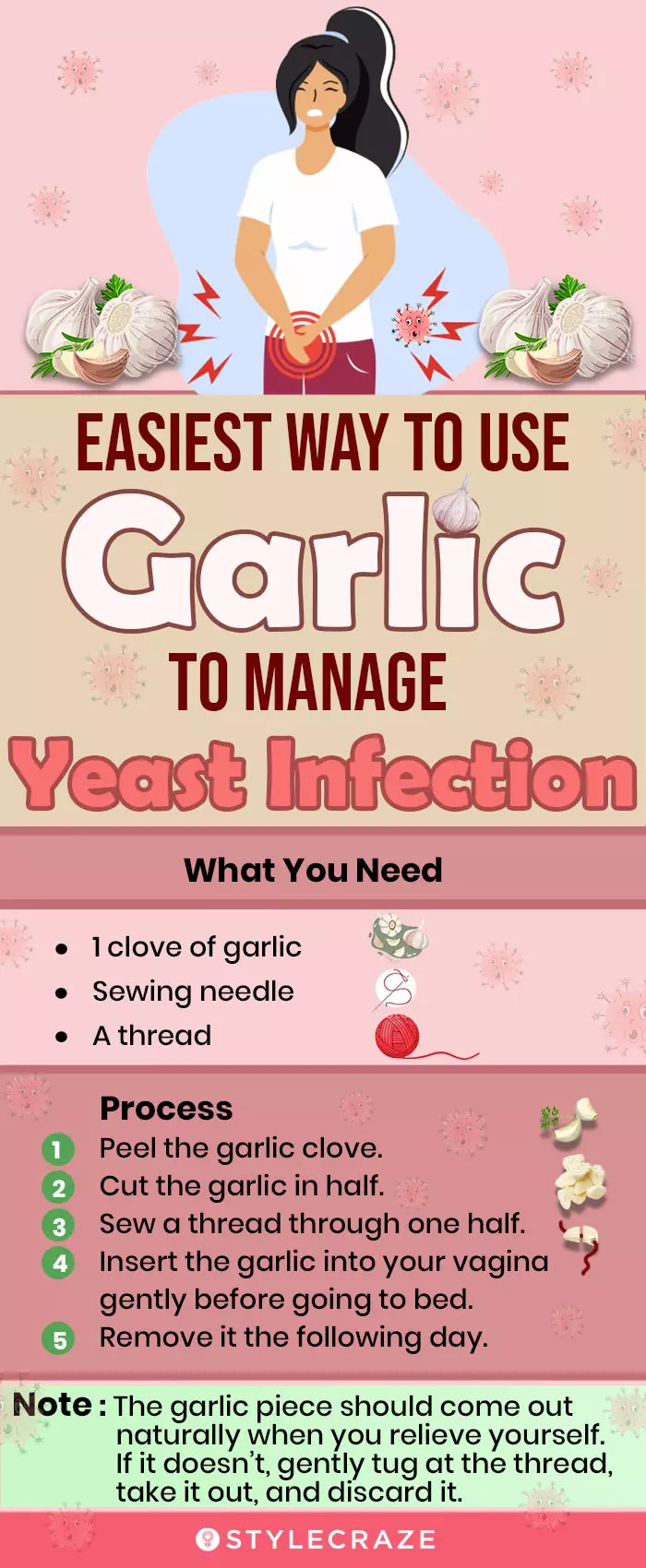
In the vast, often overwhelming landscape of health information, where ancient folk wisdom collides with cutting-edge scientific inquiry, few remedies spark as much debate and curiosity as garlic. For millennia, this pungent bulb has been lauded as a panacea, a natural wonder capable of warding off everything from vampires to the common cold. But what happens when the discomfort of a yeast infection – that persistent itch, the burning sensation, the unwelcome discharge – drives someone to seek solace in the digital ether, only to stumble upon the age-old recommendation: "Try garlic"?
This isn’t merely a question of efficacy; it’s a story of hope, desperation, scientific exploration, and the intricate dance between our body’s delicate ecosystem and the powerful compounds found in nature. For the knowledgeable individual seeking more than just a yes or no answer, let us embark on a journey through history, chemistry, microbiology, and clinical reality to unravel the truth behind garlic’s purported ability to treat a yeast infection.
Chapter 1: The Allure of the Ancient Bulb – A Legacy of Healing
Our story begins not in a modern laboratory, but in the dusty annals of history. Allium sativum, the humble garlic plant, boasts a pedigree of medicinal use stretching back over 5,000 years. Ancient Egyptians revered it, feeding it to their pyramid builders for strength and including it in their pharmacopoeia. Hippocrates, the father of Western medicine, prescribed garlic for a myriad of conditions, from digestive ailments to respiratory infections and even tumors. Roman soldiers consumed it for courage and stamina, while Chinese and Indian traditional medicine systems have long incorporated it for its purported antimicrobial and immune-boosting properties.
This deep-rooted historical context isn’t just an interesting footnote; it’s the very foundation upon which modern anecdotal remedies are built. When someone in distress searches for relief, the sheer volume of historical and traditional endorsement for garlic lends it an undeniable aura of legitimacy. It feels natural, accessible, and steeped in a wisdom that predates pharmaceutical giants.
But what exactly is it about garlic that has captivated healers and laypeople for so long? The answer lies in its remarkable biochemistry. When a clove of garlic is crushed, chopped, or otherwise damaged, a fascinating enzymatic reaction occurs. An enzyme called alliinase, stored separately from a sulfur-containing compound called alliin, springs into action. This interaction rapidly converts alliin into allicin, the compound largely responsible for garlic’s characteristic pungent odor and, crucially, most of its acclaimed medicinal properties.
Allicin is a thiosulfinate, a highly reactive sulfur compound that is not particularly stable. However, it quickly breaks down into a host of other beneficial compounds, including diallyl disulfide, diallyl trisulfide, ajoene, and others, collectively known as organosulfur compounds. These are the chemical soldiers in garlic’s arsenal, and it’s their multifaceted actions that form the basis of our investigation into garlic’s potential against yeast.
Chapter 2: Unmasking the Culprit – The Enigma of Candida
Before we pit garlic against its supposed adversary, we must first understand the enemy: Candida albicans. This opportunistic yeast is the primary culprit behind most vaginal yeast infections, also known as vulvovaginal candidiasis (VVC). However, it’s essential to understand that Candida is not inherently an invader. It is a commensal organism, meaning it normally resides harmlessly in various parts of the human body, including the mouth, gastrointestinal tract, and, yes, the vagina, as part of the body’s complex microbiome.
The problem arises when the delicate balance of this microbiome is disrupted. The vaginal environment is a finely tuned ecosystem, largely dominated by beneficial bacteria, primarily Lactobacillus species. These good bacteria produce lactic acid, maintaining an acidic pH (typically 3.8-4.5) that discourages the overgrowth of pathogenic organisms, including Candida.
When this balance is thrown off, Candida albicans seizes the opportunity to proliferate, transitioning from its harmless yeast form to a more invasive, hyphal form that can penetrate tissues and cause symptoms. Common triggers for this overgrowth include:
- Antibiotic Use: Broad-spectrum antibiotics, while targeting bacterial infections, often inadvertently wipe out beneficial Lactobacillus bacteria in the vagina, leaving Candida free to flourish.
- Hormonal Changes: Fluctuations in estrogen levels, such as those occurring during pregnancy, before menstruation, or with the use of oral contraceptives, can alter vaginal chemistry and make it more hospitable to yeast.
- Weakened Immune System: Conditions like diabetes (especially poorly controlled), HIV/AIDS, or the use of immunosuppressive medications can impair the body’s ability to keep Candida in check.
- Lifestyle Factors: Certain dietary choices (high sugar intake, though direct links are debated), tight clothing, poor hygiene, and even stress can be contributing factors, though their direct impact is less clear than antibiotics or hormonal changes.
The symptoms of a yeast infection are unmistakable and intensely uncomfortable: intense itching and irritation of the vulva and vagina, a burning sensation, redness and swelling, pain during intercourse, and often a thick, white, "cottage cheese-like" discharge. These symptoms drive millions to seek relief, leading them down various paths, including the one that inevitably leads to garlic.
Conventional treatments for VVC typically involve antifungal medications, primarily azoles, available as oral pills (fluconazole) or topical creams/suppositories (clotrimazole, miconazole, tioconazole). These are generally highly effective, but concerns about drug resistance, side effects, and the desire for "natural" alternatives fuel the search for remedies like garlic.
Chapter 3: The Scientific Lens – Garlic vs. Candida in the Lab
With the historical context and the biological enemy clearly defined, we can now turn to the scientific investigation. Does garlic’s legendary antimicrobial power extend to Candida albicans? The answer, unequivocally, is yes – at least in the controlled environment of a laboratory.
Numerous in vitro studies (meaning "in glass," or test-tube experiments) have explored the antifungal properties of garlic and its active compounds, particularly allicin, against Candida albicans and other Candida species. These studies typically involve:
- Garlic Extracts: Preparing various concentrations of raw garlic extract or isolated allicin.
- Candida Cultures: Growing Candida in petri dishes or liquid media.
- Exposure: Exposing the Candida cultures to the garlic compounds.
- Observation: Measuring the "zone of inhibition" (an area where yeast growth is prevented around the garlic compound) or determining the Minimum Inhibitory Concentration (MIC), which is the lowest concentration of the compound required to inhibit visible growth of the yeast.
Key Findings from In Vitro Studies: